Growth vs Dividend Investing: How to Balance Your Portfolio for Maximum Gains
Published
Growth vs Dividend Investing: Compare key differences, pros/cons, and strategies. Choose wisely for long-term portfolio gains.
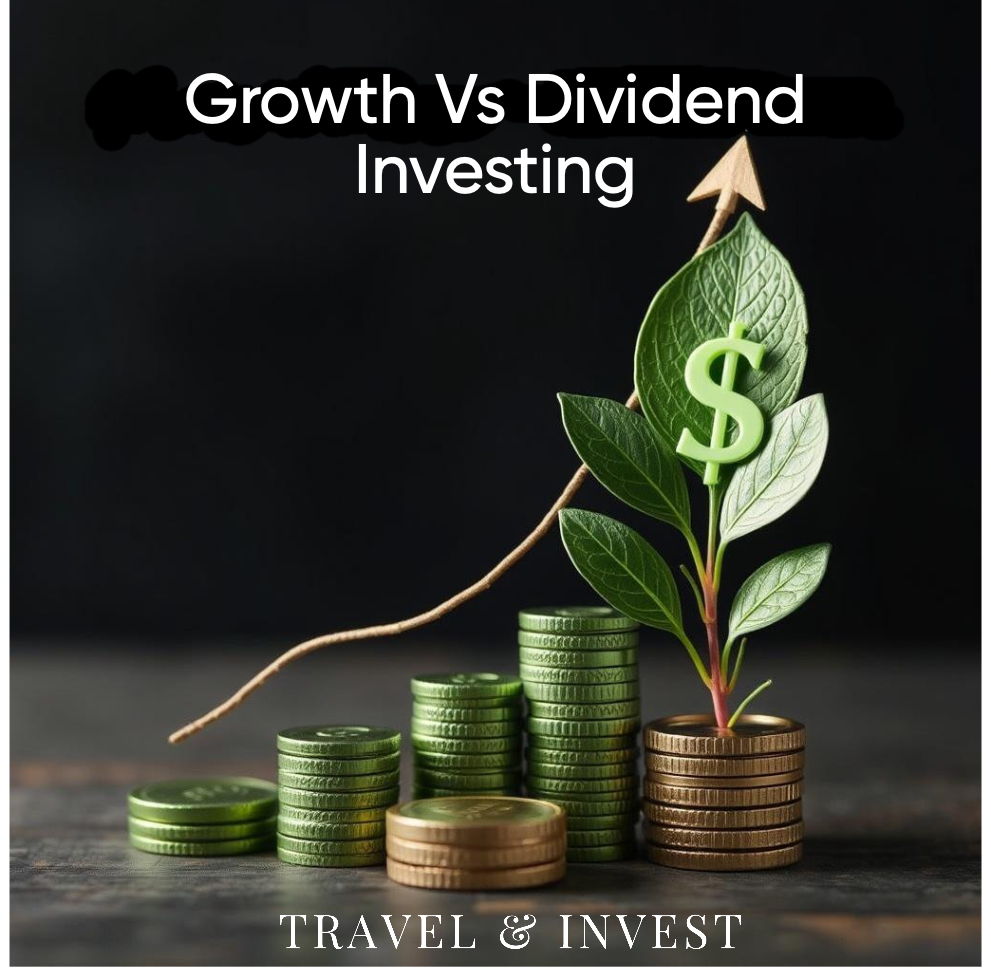
Warren Buffett earns over $6 billion yearly from dividends. Elon Musk’s Tesla? Zero dividends - just explosive growth.
These investing giants represent two paths to wealth. Which one fits your goals? Let’s break down growth and dividend investing in plain terms, with actionable strategies you can use today.
Growth Stocks vs Dividend Stocks: What’s the Difference?
Growth stocks are like planting a sapling. You wait years for it to grow tall, but once it does, the rewards can be huge. Companies like Amazon or Nvidia reinvest every dollar into expanding their business, aiming for future dominance. No dividends here—just potential for big price jumps.
Dividend stocks are more like fruit trees. They provide regular "harvests" (cash payments) while slowly growing taller. Think of companies like Coca-Cola or Procter & Gamble—established brands that share profits with investors through quarterly checks.
When to Bet on Growth Stocks
You can choose Growth investing if :
You’re young or patient: It often takes 5-10 years for growth companies to hit their stride. If you won’t need the money soon, you can ride out market ups and downs.
You spot trends early: Look for industries changing how we live. Cloud computing in 2010, Electric vehicles in 2020. Today? Maybe AI or robotics?
You’ve got backup income: Growth stocks can crash hard (30-50% drops). Make sure you have savings or other steady investments to avoid panic-selling.
But watch out!
Not all growth companies succeed. Check if they’re spending money wisely. A good sign: Their profits from new projects (Return on Invested Capital) should be at least 15-20%. If a company keeps losing money year after year, it might be a risky bet.

Image from Canva.com
Why Dividend Stocks Deserve a Spot in Your Portfolio
Choose dividends when:
You need steady income: Retirees often pick these stocks because the quarterly payments act like a paycheck.
You hate big losses: Dividend stocks usually drop less during market crashes. For example, during the 2020 COVID crash, dividend payers fell 25% vs 35% for growth stocks.
You want "quiet compounding": Reinvesting dividends buys more shares, which earn more dividends—a snowball effect. $10,000 invested in a stock with a 3% dividend that grows 7% yearly becomes $28,000 in dividends alone after 25 years!
Red flags to avoid:
Sky-high payouts: If a company pays 90% of its profits as dividends (like some telecom companies), it might cut them later. Look for payout ratios under 65%.
Debt-funded dividends: Avoid companies borrowing money to pay shareholders. Check if their cash flow covers dividends.
Image from Canva.com
Mixing Growth and Dividends: The Best of Both Worlds
When in the 'Growth Vs Dividend Investing dilemma', why choose one when you can use both? Combining them can create a “best of both worlds” strategy.
Invest in Reliable Dividend Payers: Why Dividend Kings Are a Smart Choice
Consider companies known as Dividend Kings. These elite firms have paid dividends consistently and have increased them annually for at least 50 years—showcasing unparalleled stability and financial strength.
Investing in Dividend Kings offers peace of mind, as these companies are often well-established, historically significant, and deeply rooted in the market. Their ability to weather economic storms and still reward shareholders makes them a low-risk option for long-term investors seeking reliable returns. With a proven track record of growth and resilience, Dividend Kings are the gold standard for dividend-paying stocks.
By choosing Dividend Kings, you’re investing in businesses that prioritize shareholder value and have demonstrated their commitment to financial stability over decades.
Invest in High-Potential Growth Stocks: The Future of Wealth Creation
These stocks belong to companies that are expanding their revenues and earnings at a pace far exceeding the market average, often driven by innovation, disruptive technologies, or emerging market opportunities. Unlike dividend-paying stocks, growth companies reinvest their profits into scaling operations, fueling future expansion.
Growth stocks are typically found in dynamic industries like technology, AI, or renewable energy. While they can be more volatile than other investments, their potential for significant capital appreciation makes them ideal for long-term wealth creation. By investing in growth stocks, you’re betting on tomorrow’s market leaders—companies poised to redefine industries and capture substantial market share. Think of names like Tesla or Amazon in their early days—high risk but even higher reward.
Always Keep a Safety Buffer: Your Financial Cushion for Flexibility
Maintain a cash reserve to cover unexpected expenses or seize market opportunities during dips. This approach balances steady income from dividends, growth potential from rising stocks, and a financial safety net for surprises. The key is finding the right mix based on your goals and risk tolerance—like pairing a secure paycheck with a flexible side hustle.
Reinvest smartly
If you’re under 50, automatically reinvest dividends into growth stocks. If you are over 50, you can use dividends as income, and let growth investments ride.
Tax tips
The best choice between dividend stocks and growth stocks depends on your country’s tax rules. If you live in a place where dividends are taxed heavily, growth stocks (which grow in value over time) might be better because you’ll only pay taxes when you sell them (again, depending on your country's tax rules).
If your country has low or no taxes on dividends, dividend stocks could be more attractive since you keep more of the payments. Use special accounts to reduce taxes if those are available in your country, like:
• ISAs in the UK (tax-free savings accounts)
• Roth IRAs in the US (retirement accounts with tax-free growth)
Always check your local tax laws and consider using these tax-advantaged accounts if available.
Rebalance regularly
Every six months, check your portfolio. If growth stocks surge past your target (i.e. 30-40%), sell some to buy undervalued dividend stocks. This habit locks in gains and keeps your strategy on track.
Personal Picks
Here are my personal favorites, but make sure you do your own research before investing in any of these companies.
Dividend Stocks: Coca Cola, Procter & Gamble, Johnson & Johnson, McDonald's, Starbucks, WM
Final Takeaway: You Don’t Have to Pick Sides
Growth stocks offer thrilling potential. Dividends provide stability. By blending both, you create a portfolio that grows in bull markets and protects you in downturn. This balanced approach allows you to enjoy the best of both worlds while navigating the ever-changing landscape of the stock market.
Remember, even Warren Buffett keeps Apple stock (growth) alongside Coca-Cola (dividends). If it works for him, why not you? 💼🌱
Disclaimer: The information provided in this article is for educational and informational purposes only and should not be construed as financial advice. Investing in the stock market carries risks, including the potential loss of principal. Before making any investment decisions, it is essential to conduct thorough research and consider consulting with a qualified financial advisor. Additionally, please note that investment platforms and brokers may have specific terms, conditions, and fees that should be carefully reviewed before opening an account or executing trades.