The First Timer’s Guide to Japan: Tokyo, Kyoto and Osaka
Published
We spent months planning and 11 days living it. This is the honest, practical Japan travel guide for first timers: the route, the bookings, the food, the mistakes, and everything in between.
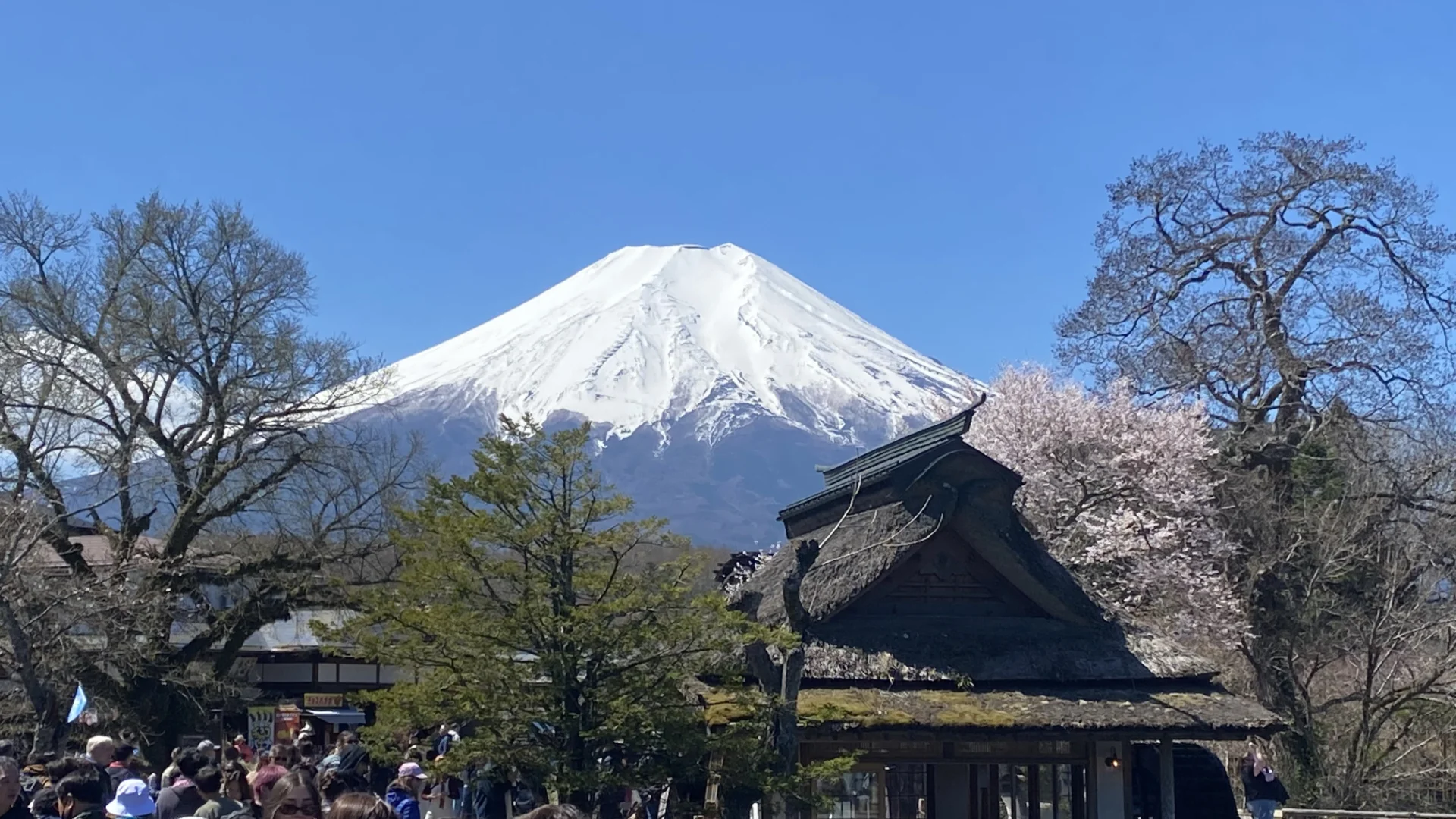
Planning Japan and Don't Know Where to Start? Start Here.
The doors of the shinkansen slide open with a soft hiss, the conductor bows as you step onto the platform and somewhere between the vending machine matcha and your first konbini egg sandwich, it hits you - Japan is unlike anywhere you've ever been. We spent months researching this trip and 11 days living it, and the honest truth is that nothing fully prepares you for how extraordinary it is. But good preparation gets you close. This article is everything I wish I'd had in one place: the research, the mistakes, the discoveries, written in the order you actually need it.
First, the Route
If it's your first time in Japan, the classic Tokyo → Kyoto → Osaka route isn't just the obvious choice - it's genuinely the right one. These three cities form the backbone of the Japanese experience and trying to skip or swap them on a first visit would be like going to Italy and skipping Rome.
The one logistical decision that makes a real difference: fly into Tokyo and out of Osaka (or vice versa), rather than returning to the same city. It saves time, money and unnecessary backtracking.
You'll find plenty of advice online suggesting you start in Osaka because it's "less interesting" than Tokyo - saving the capital as the grand finale. We'd respectfully push back on that. Osaka has its own energy, its own food culture, its own charm. It is not a lesser version of Tokyo. There's no wrong order, so don't let anyone convince you otherwise.
How Many Days Do You Need?
Plan for at least 11 full days: 5 in Tokyo, 3 in Kyoto, and 3 in Osaka. Within each city, reserve one of those days for a day trip to the surrounding region - more on those below. Japan rewards slowing down. The cities are layered in ways that don't reveal themselves if you're rushing.
When to Go
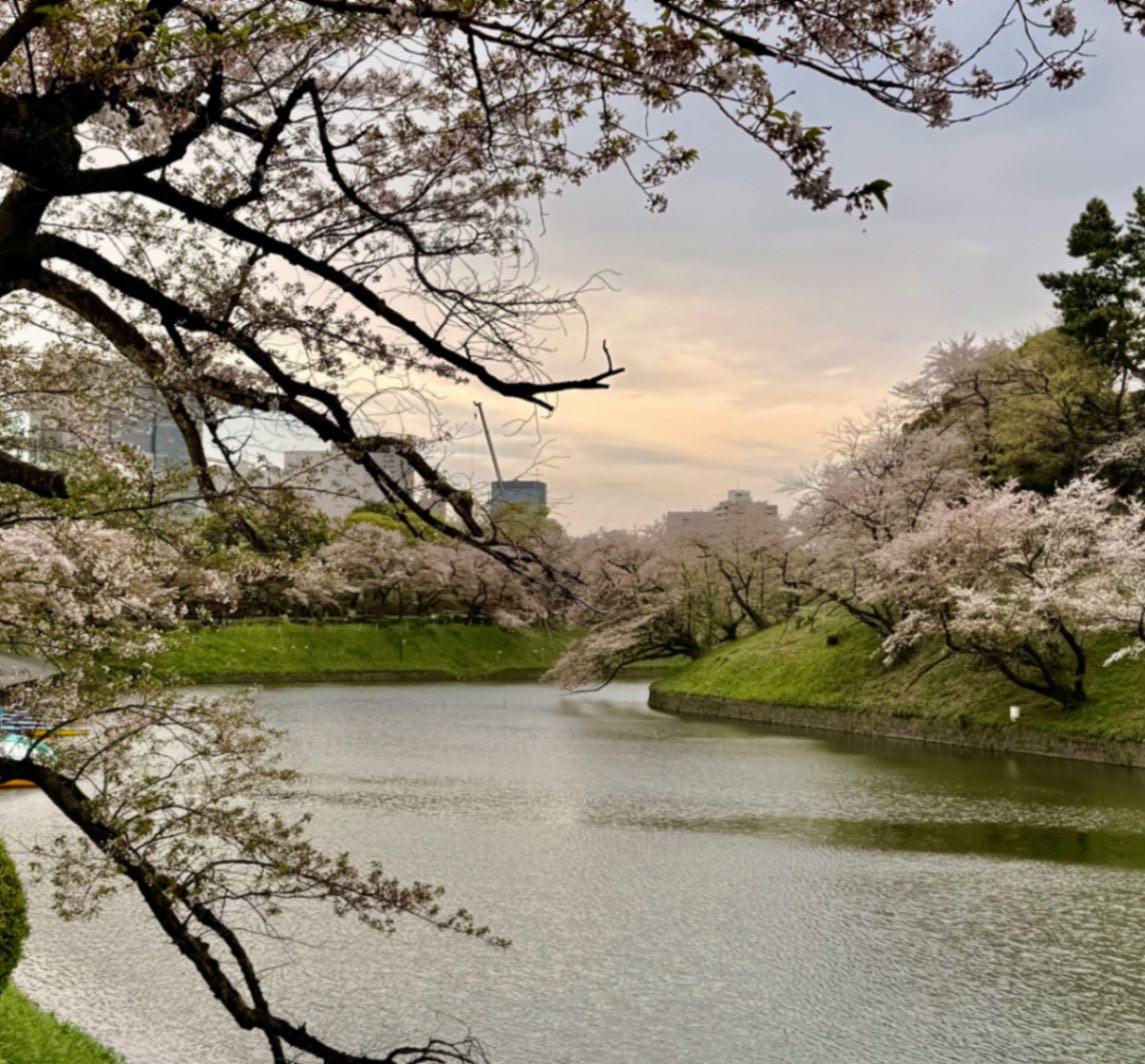
Spring (cherry blossom season) and autumn are the most magical times to visit - and also the busiest. We traveled in the first two weeks of April during sakura season. Full bloom had technically peaked at the end of March, but Tokyo was still breathtaking: streets and parks draped in soft pink, petals drifting through the air like slow-motion confetti. By Kyoto and Osaka, most of the blooms had passed, though we still caught some beautiful trees in flower.
If sakura is a priority for you, watch the bloom forecast closely and plan your Tokyo days at the beginning of your trip.
Start Planning Early - Earlier Than You Think
The biggest mistake first-timers make is underestimating how quickly things sell out and how much prices rise closer to popular travel dates. Here's what to lock in, roughly in order of priority:
Flights and hotels - book 6–7 months out if possible; we watched prices double as our arrival date approached
Shinkansen tickets - especially the Tokyo–Kyoto leg; if your luggage exceeds 160cm total (height + depth + width combined), you must pre-reserve a designated luggage space on the train. You can check prices and availability here: Tokyo to Kyoto train
Shibuya Sky - tickets open roughly 2 weeks before your date; sunset slots disappear within hours. I logged in 3–4 hours after opening and only the 14:30 slot remained. Set a reminder and book the moment they go live
teamLab Planets - book approximately 1 month ahead
Sumida River Cruise - 1 month ahead
Organised day trip excursions - book as early as possible; they fill up and prices increase
A word on viral restaurants: if a place has blown up on TikTok, the queue probably isn't worth your limited time. Japan has an almost unfair abundance of extraordinary food in small, quiet spots - and the best meals of your life may well happen somewhere with five seats and no English menu.
Where to Book
Trains: Trip.com or Klook - both let you pay in your own currency and pre-select seats. On the Tokyo–Kyoto shinkansen, sit on the right side for views of Mount Fuji
Excursions: Trip.com, Klook, or GetYourGuide - prices were comparable across all three
Suica card: Add directly to your Apple Wallet before or upon arrival. Note that children under 13 cannot use a digital wallet, so pick up a physical Suica or Pasmo card at the airport or any major station. Check your balance anytime using the "Japan Train Card Balance Check" app
Where to Stay
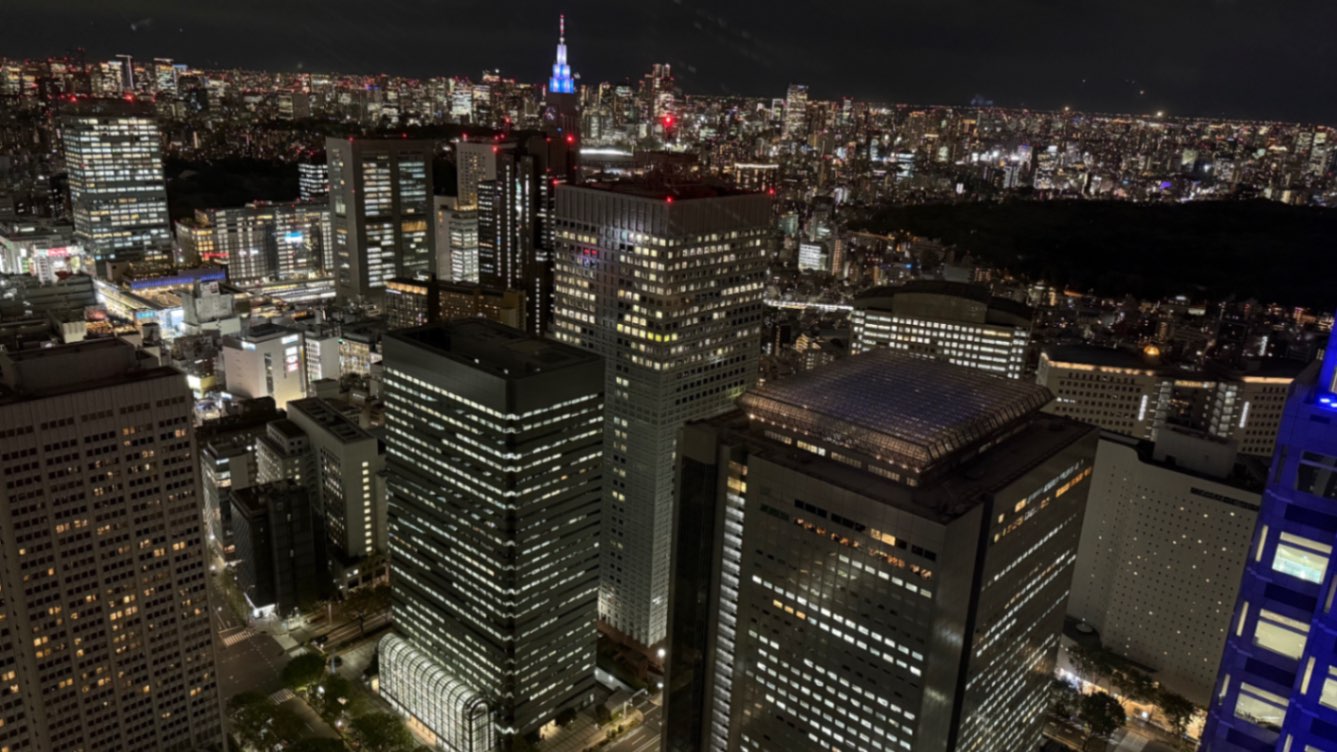
One rule overrides everything else: stay near a train or metro station. Japan will push you past 30,000 steps a day, and the last thing you want at the end of it is a long walk from the nearest station to your bed.
Tokyo Neighborhoods
Ginza - quiet, upscale, and directly adjacent to Tokyo Station; the best base if you plan on taking day trips via shinkansen
Shinjuku or Shibuya - if you want to be close to nightlife and energy
Asakusa - if you prefer a slower, more traditional old-Tokyo atmosphere
We stayed in Ginza at the Royal Park Canvas Ginza 8 and recommend it without hesitation. Great location, genuinely well-designed rooms - a notable achievement in a country where "standard room" often means very compact. The extra space made a real difference at the end of long days.
Navigating the Metro
The metro looks intimidating at first - multiple overlapping lines, operators, and exits - but within a day or two it becomes second nature, and once it clicks it's one of the most efficient transit systems in the world. One practical tip that made a real difference for us: use Apple Maps over Google Maps. Apple Maps gives significantly better guidance inside Japanese metro stations, including which specific platform to use, which exit to take, and how to connect between lines. In a country where the wrong exit can add 15 minutes of walking, that level of detail is genuinely valuable. Download your maps for offline use before heading out each day, just in case.
Skip the Hotel Breakfast
Hotel breakfasts cost €20–25 per person and are typically served between 7:00 and 9:30/10:00. On most days, if you're catching an early train or trying to beat the crowds at a popular attraction, you simply won't use it.
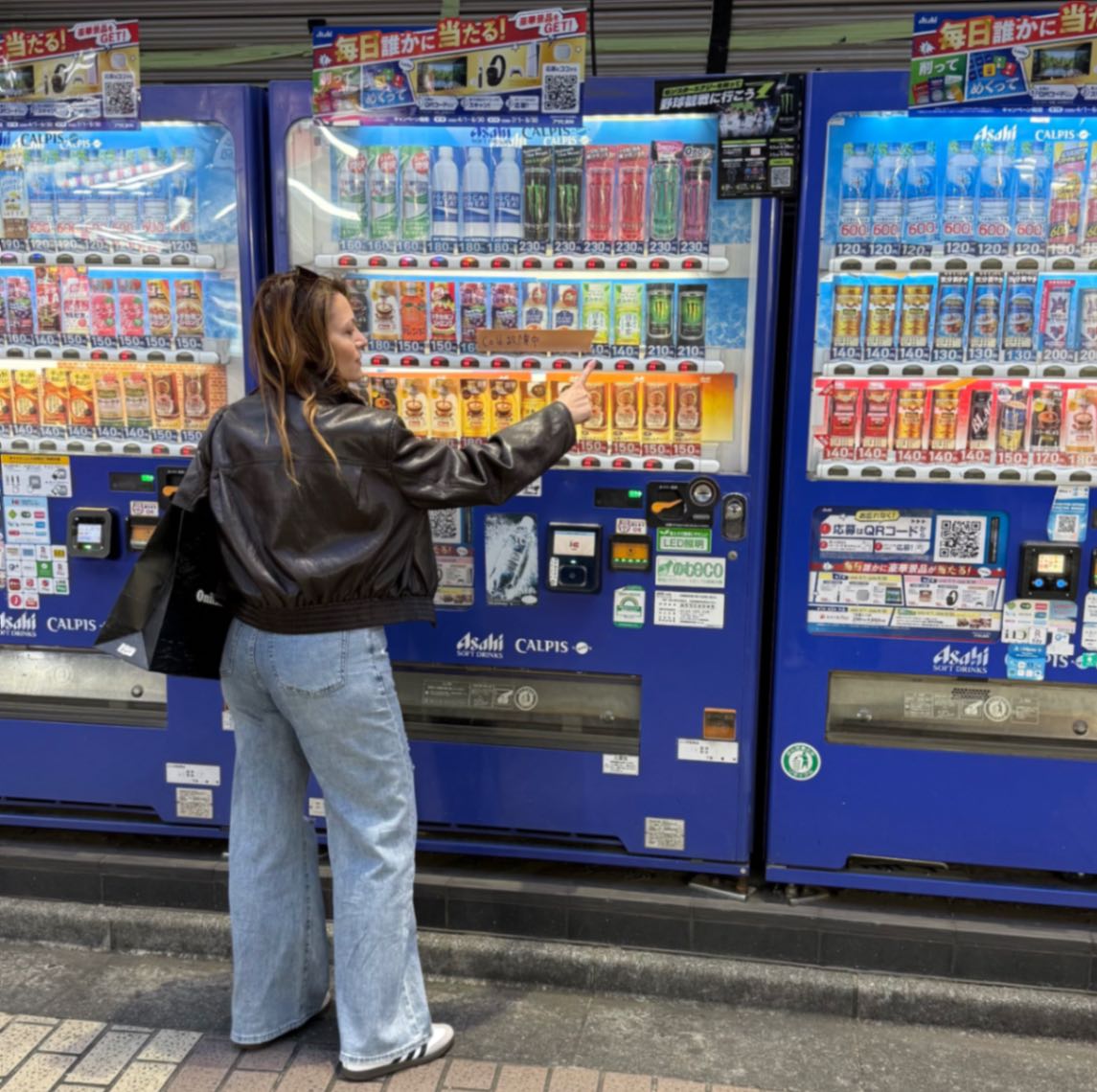
Instead, spend €5 at a convenience store and eat better. This is not a consolation prize. The egg sandwiches at 7-Eleven, the matcha drinks from vending machines, the onigiri, the fresh pastries - the quality is genuinely astonishing. Konbini food was one of the things that surprised us most about Japan, and we still think about it. The standards applied to even the most ordinary food and drink in this country are unlike anywhere else.
What to Pack
Layers - temperatures shift significantly between morning and evening, and from day to day
A rain jacket - Japan's weather doesn't warn you
Very comfortable, ideally waterproof shoes - 30,000 steps is the reality, not an exaggeration
An almost empty suitcase - you will buy things. We ended up purchasing an extra bag; the best prices for bags, electronics, and clothing were in Aoyama and Akihabara
Minimal cosmetics - Japan has some of the best skincare and beauty products in the world at excellent prices; leave the luggage space
Check your electrical devices before packing - Japan runs on 110V, and some appliances (the Dyson Airwrap, for example) simply won't function
Most hotels provide pyjamas as a standard amenity, so leave yours at home
Pack your bags by destination, not by item category - hotel rooms are small and you won't be able to dig through a full suitcase every night. Use a carry-on for essentials you'll need while your main luggage is being forwarded
Luggage Forwarding: Don't Skip This
Japan's train stations are vast. The walking distances between platforms are long. Hauling large suitcases through the metro is not just inconvenient - it's genuinely exhausting and occasionally not permitted on certain trains.
The luggage forwarding service (takuhaibin) sends your bags directly from one hotel to the next, typically overnight, for a modest fee (around 15euro per suitcase). We used it between every city and it changed the entire experience - traveling light and unencumbered while your luggage quietly appears in your next room. Pack a carry-on with what you need for transit days and let the rest travel ahead of you.
Before You Land
A few things to sort before you board the plane:
Get a Japan eSIM before you land — staying connected is essential for navigation, translation and booking last-minute reservations. We used this Japan eSIM on Trip.com and found it the best value for data and coverage — it installs in minutes and you're online the second you land, no SIM swapping or airport kiosk lines needed.Complete Japanese immigration documents online and download your QR code before arrival.
Consider a taxi from Haneda Airport to your hotel - roughly €50-70 and about 20-30 minutes (according to terminal). After a long-haul flight, it's one of the best €70 you'll spend. Browse Haneda airport transfer options on Booking.com or check Klook's Haneda transfer options for another provider.
Download these apps: Tabelog (restaurant discovery and reviews), Google Translate with the camera function active (essential for menus), and Stamp Quest - a surprisingly addictive app for collecting stamps at stations and attractions across Japan.
The Itinerary
Tokyo - 5 Days
Day 1: Asakusa, Ueno, Tokyo Skytree, Akihabara
Day 2: Ginza, Tokyo Tower
Day 3: Shinjuku
Day 4: Harajuku / Shibuya
Day 5: Hakone Day Trip
Kyoto - 3 Days
Day 1: Gion district
Day 2: Arashiyama
Day 3: Fushimi Inari and Nara Day Trip
Osaka - 3 Days
Day 1: Osaka Castle, Namba
Day 2: Shinsaibashi, Dotonbori
Day 3: Hiroshima Day Trip
What to Eat
Skip the viral spots. Some of the best meals of our lives happened in tiny restaurants with five to seven seats, a handwritten menu, and a chef who had spent decades perfecting one dish. Point at what the person next to you is having. Trust the process entirely.
Beyond those hidden gems, make sure you experience:
Kaiten sushi - conveyor belt sushi is genuinely excellent and fun, not a tourist gimmick
Homemade ramen - especially on a cold or rainy day
Yakitori - grilled skewers over charcoal, ideally with a cold Sapporo
Matcha in every possible form - the quality in Japan is incomparable to anything you've had before
Strawberry mochi in Asakusa - soft, fresh, and worth seeking out
Fatty tuna at Tsukiji Market - this alone is worth an early morning
Good to Know Before You Go
A few small things that make a surprisingly big difference. First, keep your passport on you at all times, Japan offers tax-free shopping on purchases over a certain threshold, and you'll need it at the till. It adds up more than you'd expect, especially in electronics, clothing, and cosmetics stores. Second, while Japan is increasingly card-friendly, cash is still king in many restaurants, temples, and smaller shops. The easiest and most reliable place to withdraw yen with no surprises is a 7-Eleven ATM, they accept foreign cards without issue. Finally, use Revolut or a similar app for all your card payments to avoid foreign transaction fees quietly eating into your budget.
Japan is one of those destinations that quietly recalibrates your expectations for everything - food, hospitality, design, efficiency, the way a city can function. Eleven days will feel like both too long and nowhere near enough. Start with this guide, book early, and go.
Full blog post with tons of free resources: the perfect Japan Itinerary and The Perfect Tokyo Guide: 5 Days in Japan's Capital.
Some of the links in this article are affiliate links. Using one costs you nothing extra, and we earn a small commission that helps keep this site running. If anything here saved you time or money, booking through our links is the easiest way to say thanks.