10 Day Japan Itinerary: 5 Destinations for First Timers
Published
10 days in Japan: the ultimate itinerary covering Tokyo, Kyoto, Osaka, Nara, Hakone & more. Cherry blossoms, food, tips & everything you need to know.
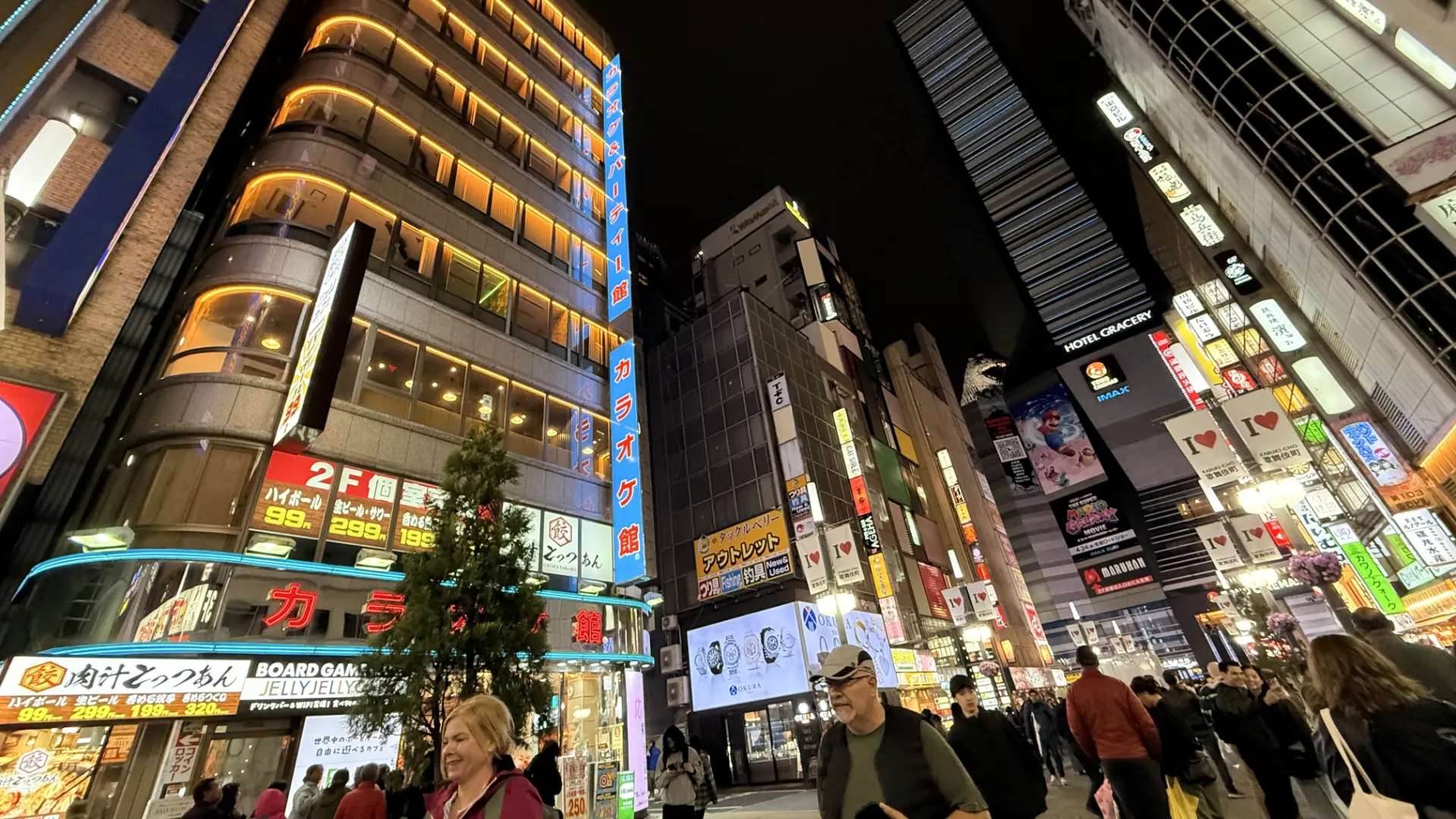
You've done the research, you've saved the TikToks, and you've decided Japan is next. Now you need a day-by-day plan that actually works — one that balances the iconic landmarks with the hidden corners, the early mornings with the late nights, and the temples with the street food. This is exactly that. Ten days, Tokyo to Osaka, the perfect first-timer's itinerary.
Before You Start
One decision that sets the tone before you even land: choose Haneda Airport over Narita wherever possible. Haneda is only 20-30 minutes (according to terminal) from central Tokyo, while Narita can take over an hour. After a long-haul flight, that difference is everything. Speaking of which — pre-book a taxi from the airport to your hotel. It costs around €50-70 and is worth every single cent. Navigating the Tokyo metro with large suitcases after hours of travelling is genuinely challenging, and a direct taxi ride lets you arrive calm, comfortable, and ready. Browse Haneda airport transfer options on Booking.com or check Klook's Haneda transfer options for another provider.
Stay near a metro station in every city — it changes everything. Download Apple Maps for platform-specific metro guidance. Load your Suica card onto Apple Wallet. Carry your passport everywhere for tax-free shopping. Withdraw cash from 7-Eleven ATMs. And use Revolut for all card payments to avoid foreign transaction fees.
For a full breakdown of everything you need to know before arriving from Suica cards to luggage forwarding to the best metro apps read my Japan First Timer's Complete Guide. Now, let's go.
TOKYO — Days 1 to 5
Day 1 — Ginza, Tsukiji & Tokyo Tower at Night
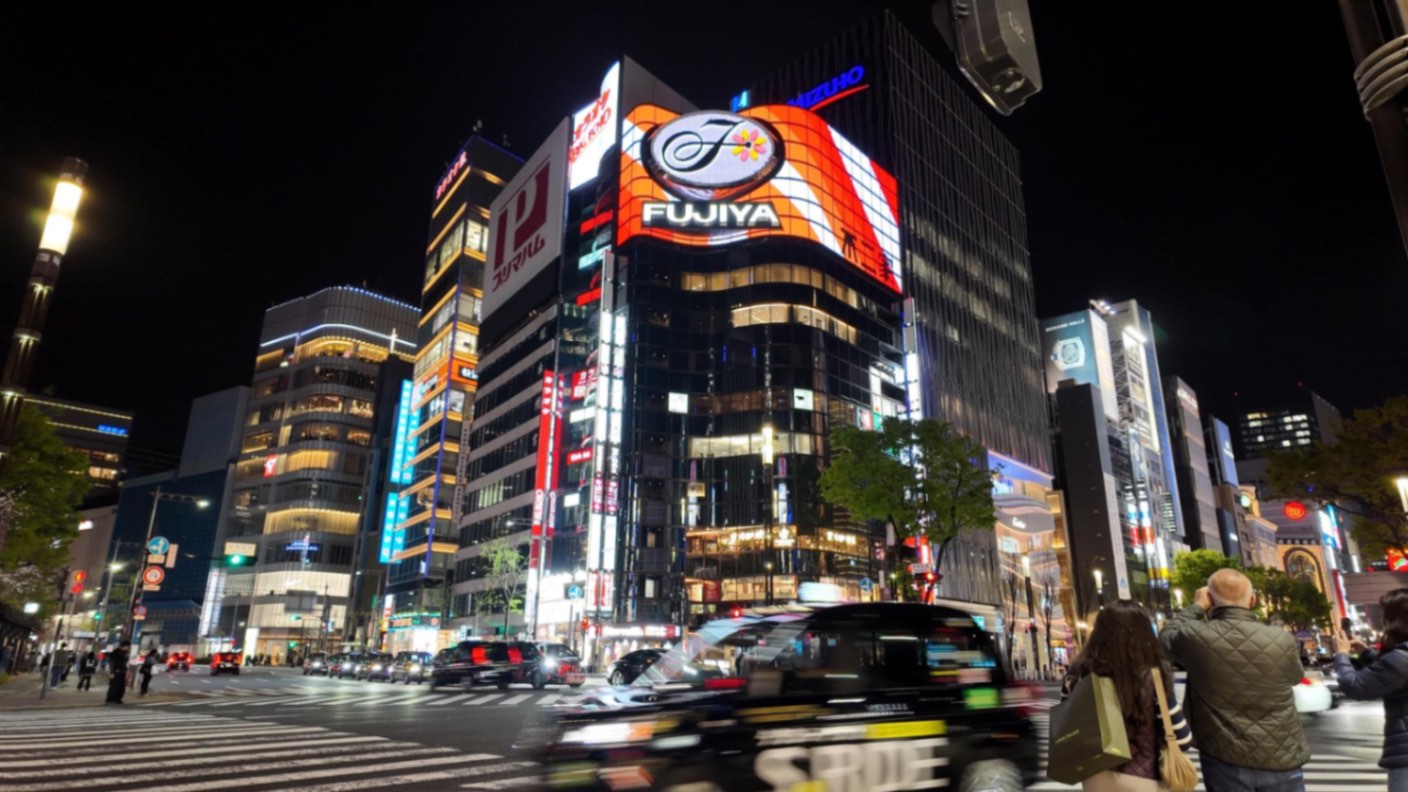
Start your Japan adventure in Ginza — elegant, walkable, and one of Tokyo's most refined districts. The Seiko Building is a striking landmark worth a stop and the main boulevard is a pleasure to explore. A word of warning if shopping is on your agenda: Ginza's sneaker and trainer stores are incredibly popular and operate a ticketing system — you collect a ticket and return at your allotted time. Factor this into your day and manage expectations. I had my heart set on a pair of Onitsuka Tigers in Ginza and couldn't get them — the queue was three hours long. Keep reading below for a tip on where to find the same shop with no queue at all.
From Ginza, walk to Tsukiji Outer Market — an essential Tokyo experience and an absolute must-visit, though I'll be honest: the food here is more expensive and more average than you'd expect compared to the extraordinary value you'll find at other food spots throughout your trip. That said, the fatty tuna is the exception — rich, melt-in-your-mouth, and unlike anything you'll find at home. Order it without hesitation. The atmosphere of the market itself, with vendors, locals, and the morning energy, is worth the visit regardless.
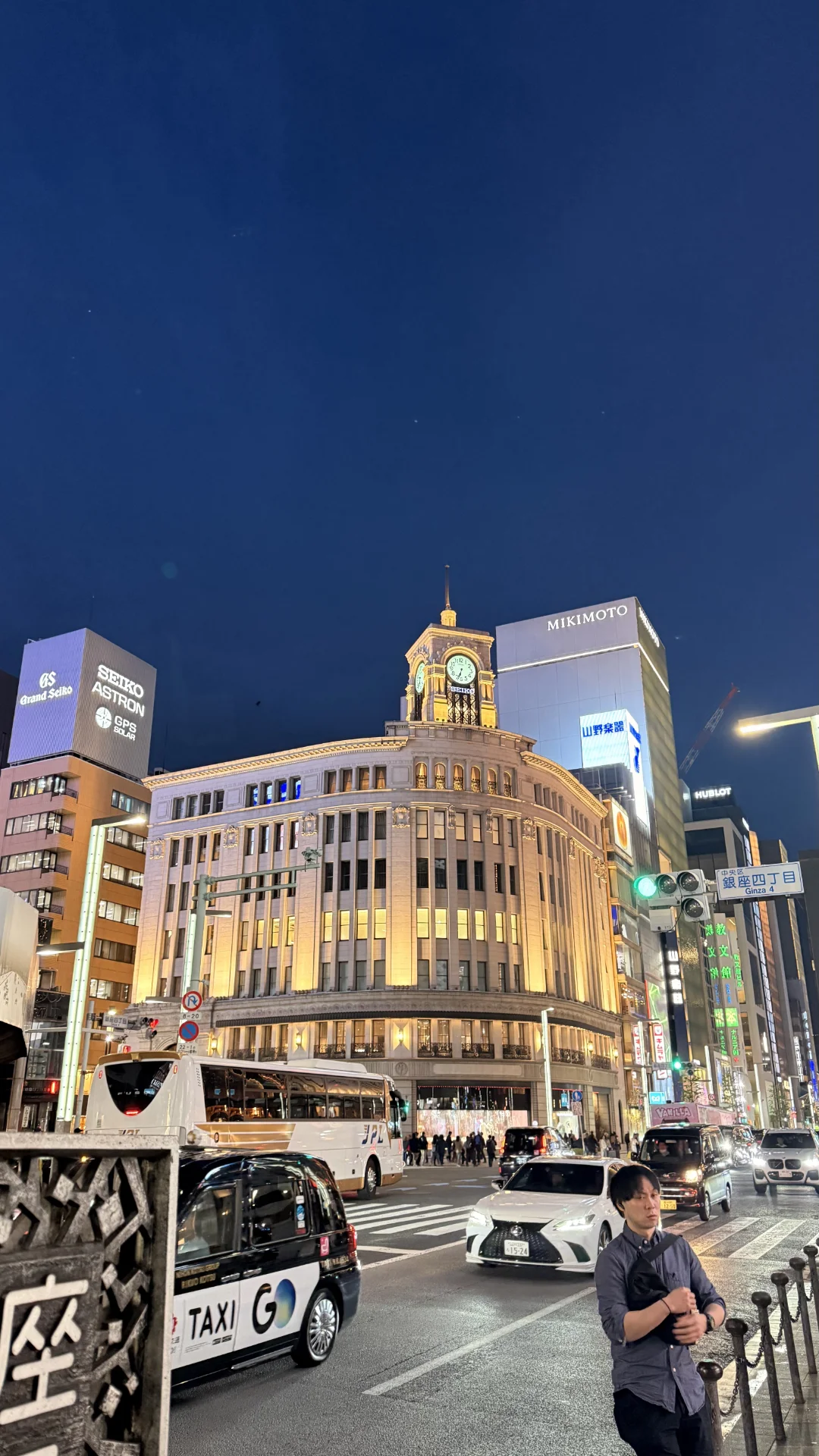
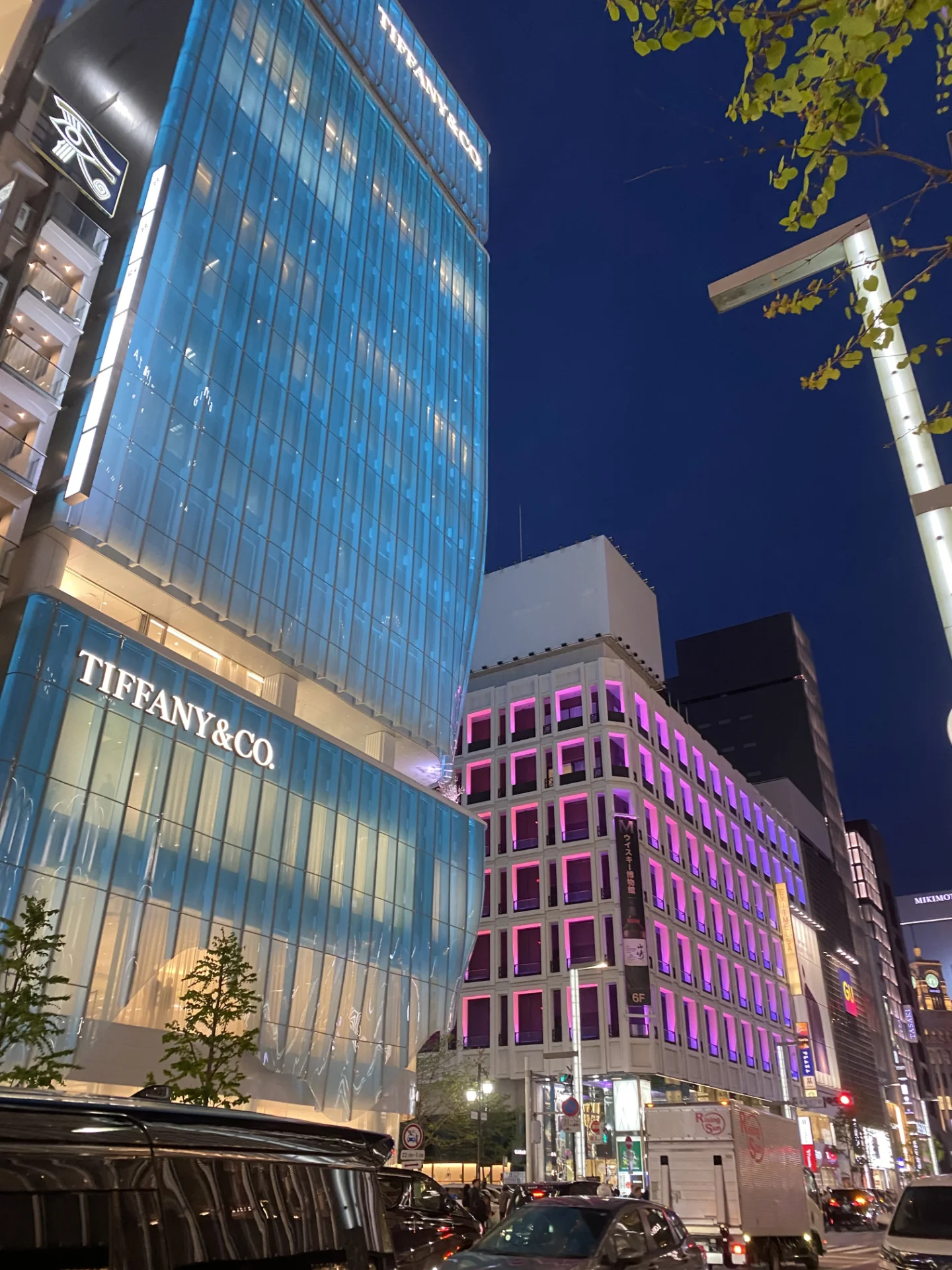
We stayed in Ginza throughout our Tokyo days at the Royal Park Canvas Ginza 8, and we recommend it wholeheartedly. The location is excellent — close to the metro and Tokyo Station for easy day trips. The staff are attentive, the rooms are a genuinely decent size by Japanese standards, and the breakfast is lovely. That said, on a return visit I would personally skip the hotel breakfast — at €20–25 per person, and with the most extraordinary convenience store food waiting downstairs, it's hard to justify. More on that in the tips section.
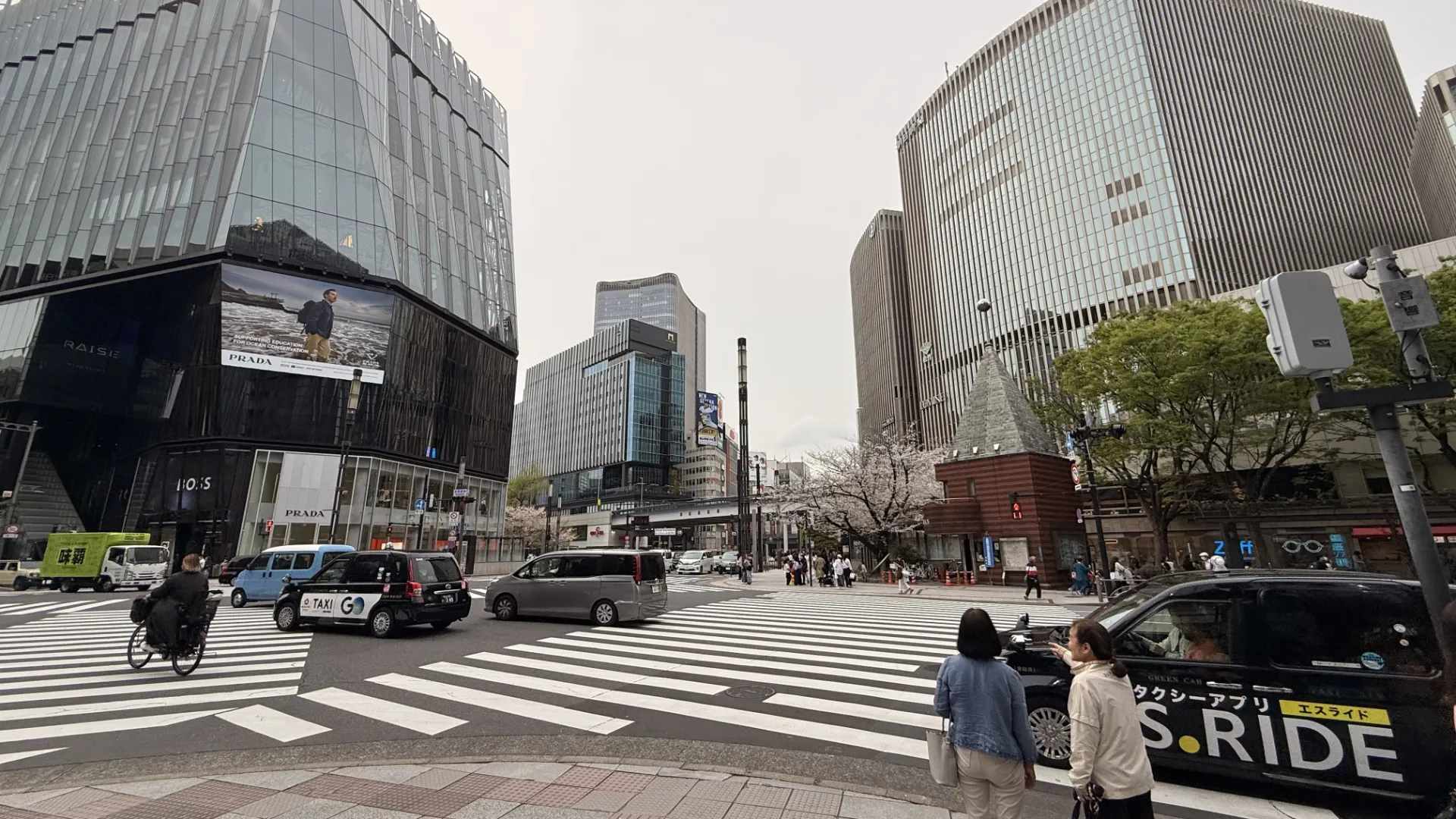
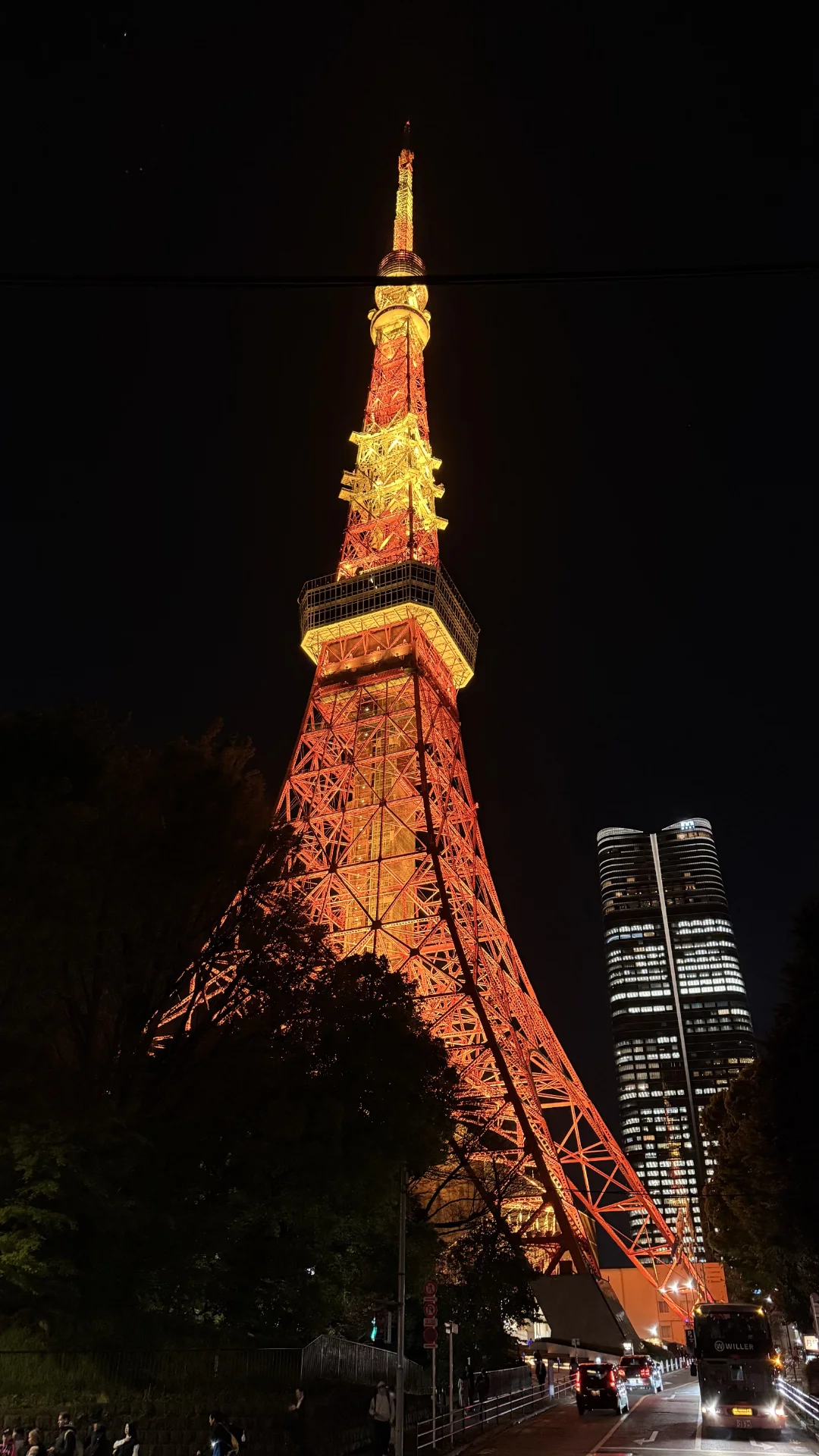
In the afternoon, explore the Kabuki Theatre on Ginza's main street before heading to Hibiya Okuroji as evening approaches — a moody, atmospheric arcade of boutique restaurants and bars tucked beneath old railway arches, perfect for dinner. End your very first night in Japan at Tokyo Tower, glowing orange against the dark sky. There is no better welcome to this city.
Day 2 — Imperial Palace, Shinjuku & Free Panoramic Views
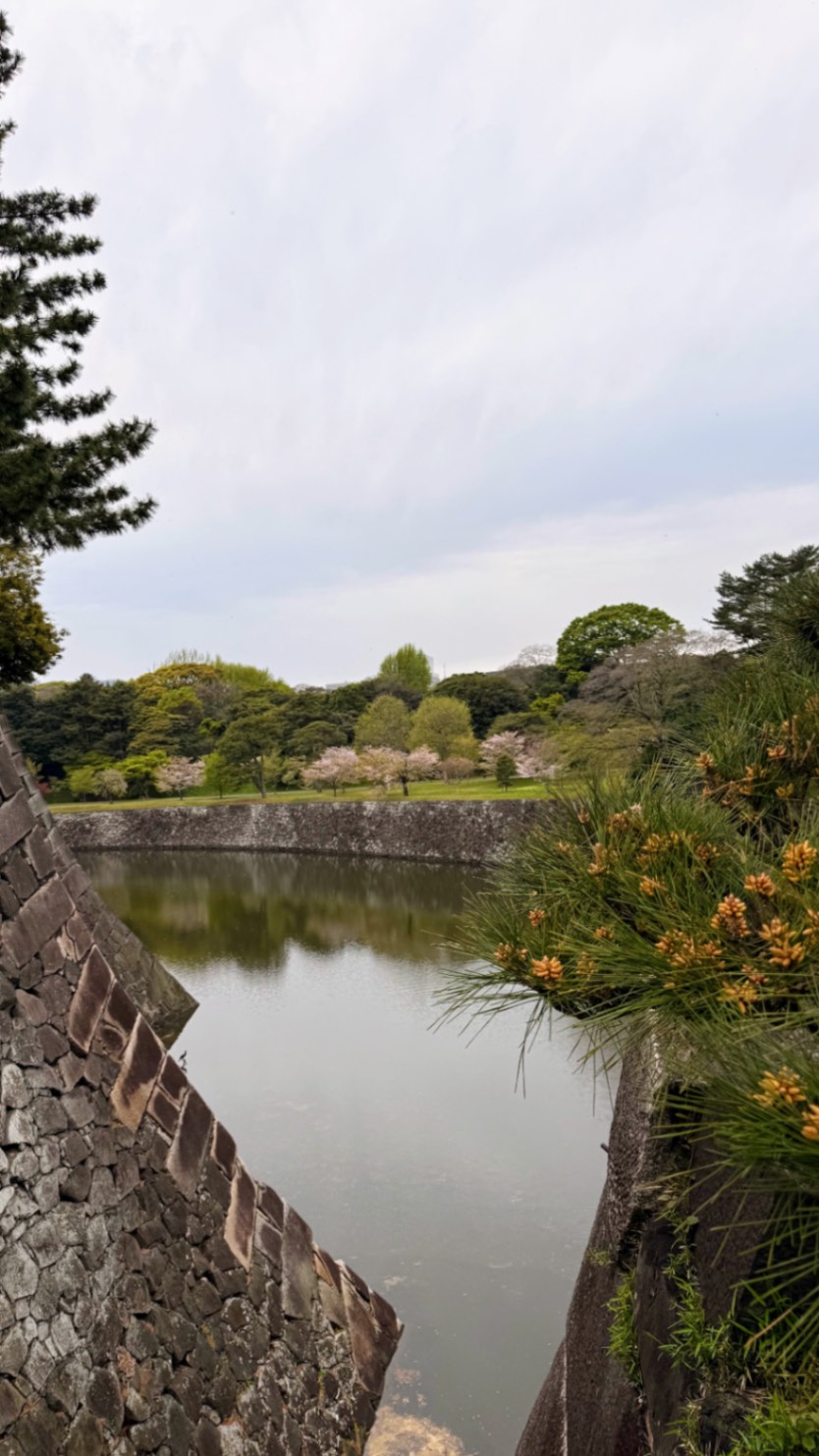
Begin the morning at the Imperial Palace East Gardens — serene, beautifully maintained, and a world away from the city buzzing around it. Take your time here. Walk along Chidorigafuchi for one of Tokyo's most scenic waterway paths, especially breathtaking during cherry blossom season, then hire a rowboat for a peaceful hour drifting along the water with pink petals falling around you.
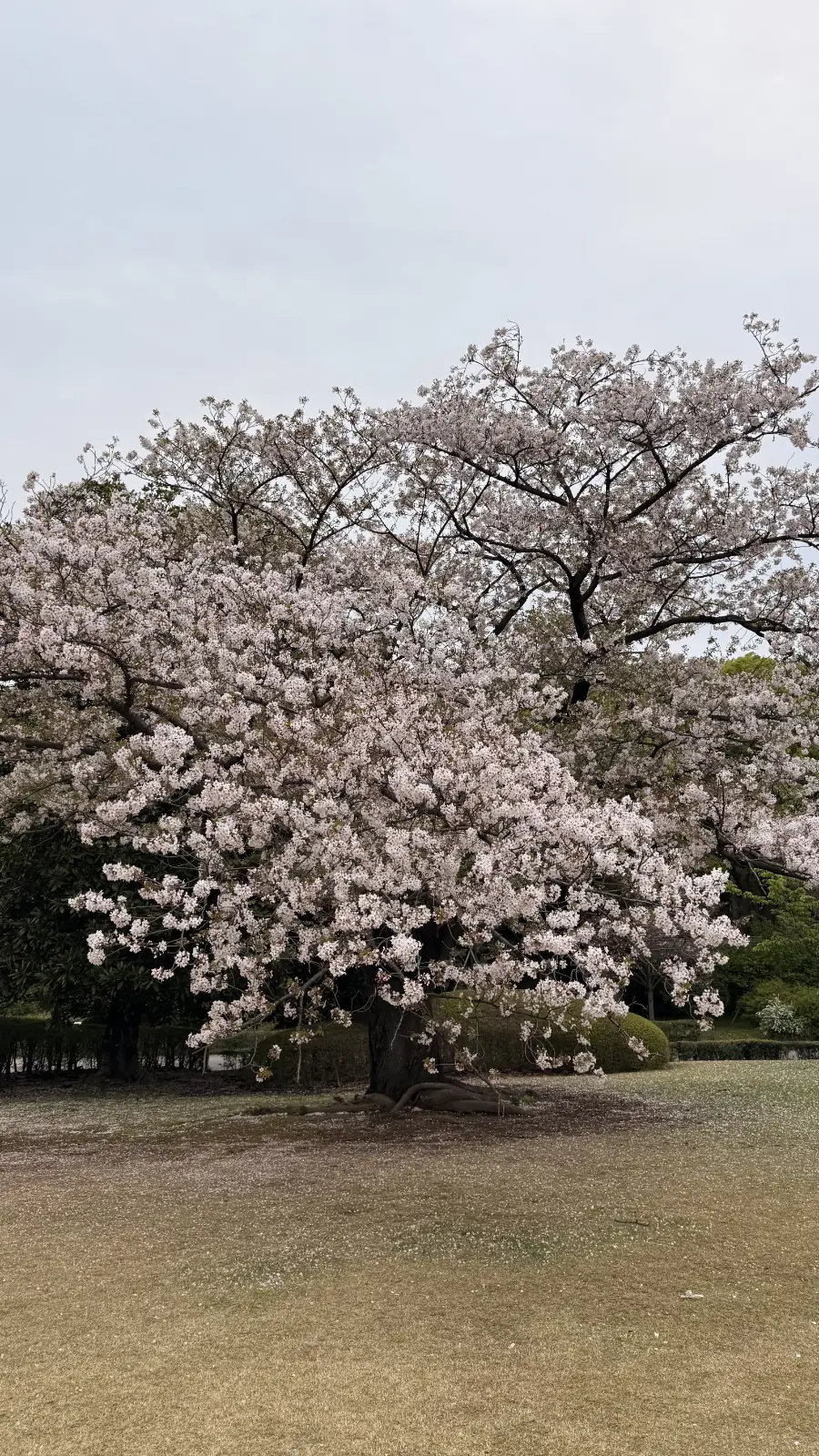
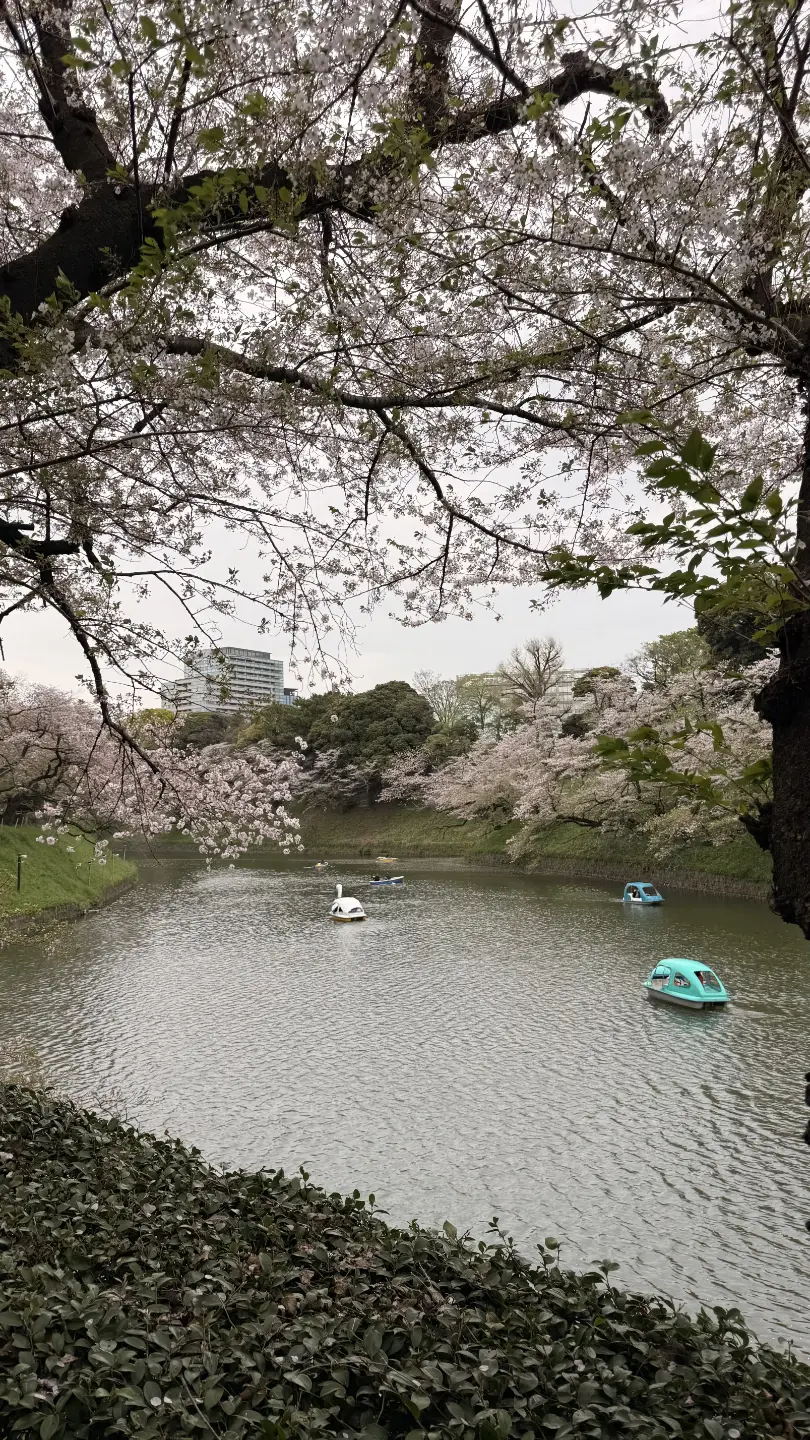
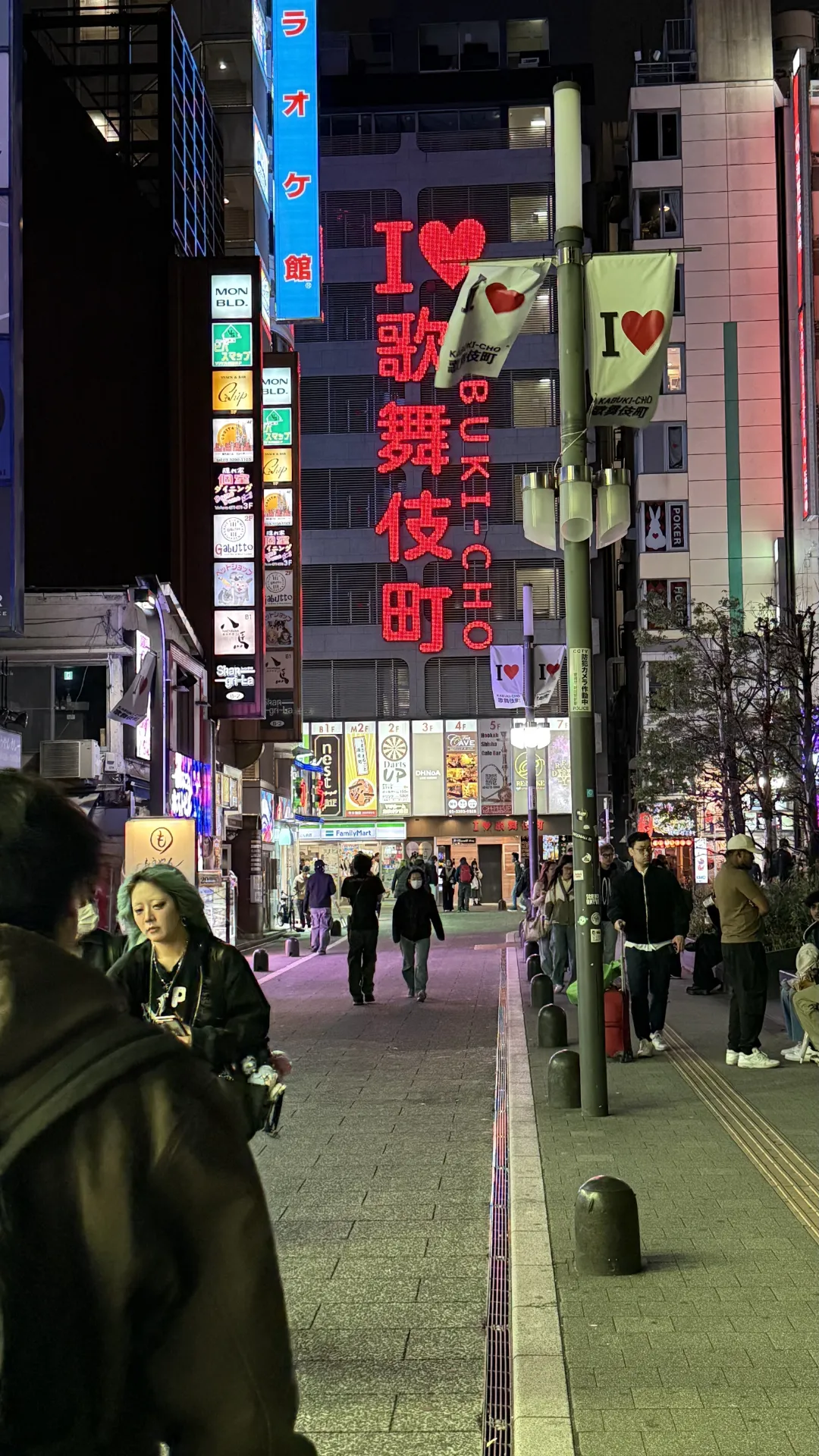
Take the metro to Shinjuku for the afternoon. Start with Shinjuku Gyoen — one of the finest parks in Japan, with immaculate gardens blending Japanese, French, and English landscape styles. From there, explore Hanazono-jinja Shrine, tucked quietly between skyscrapers, before stepping into the organised chaos of Kabukicho, Tokyo's famous entertainment district.
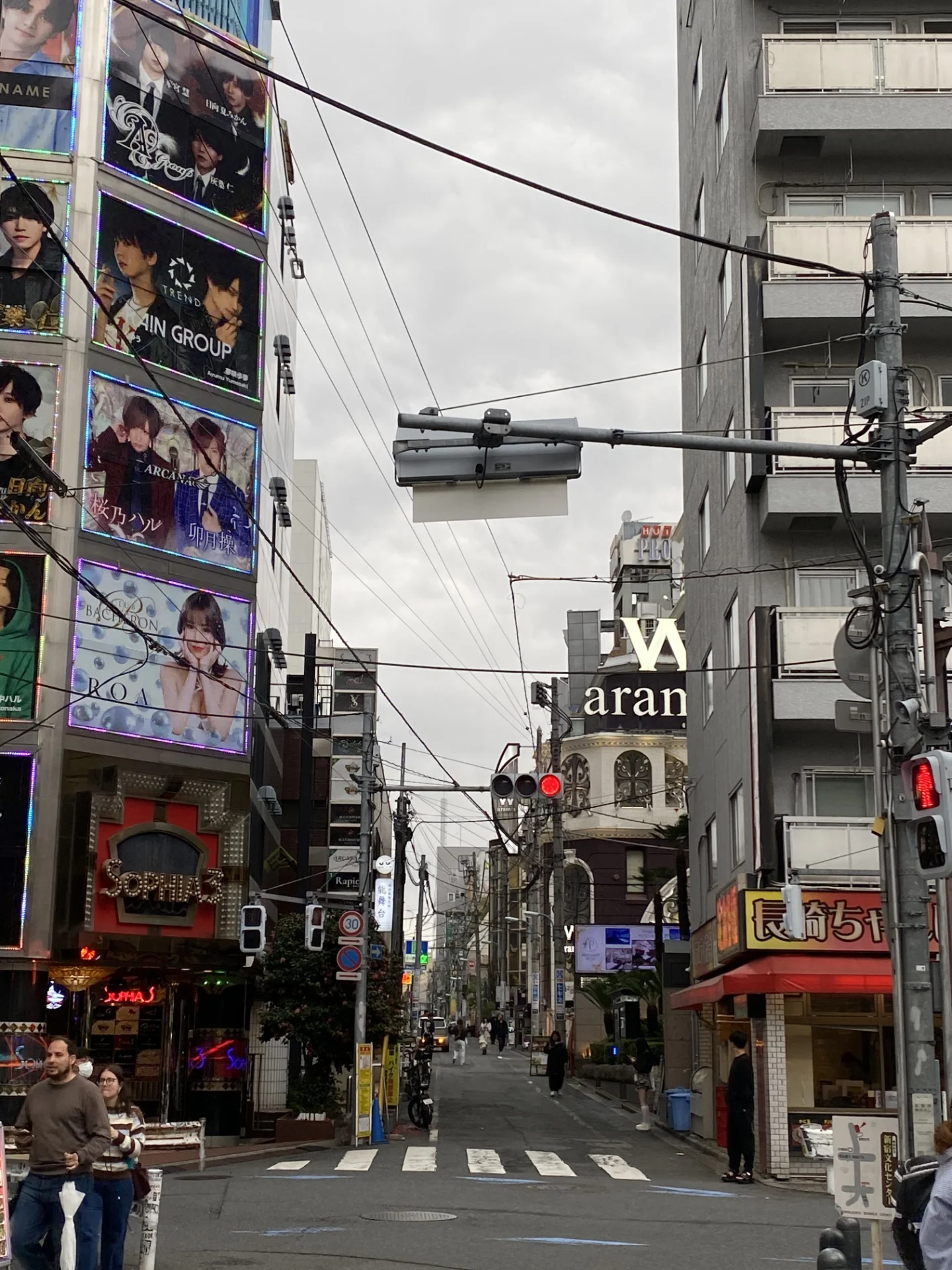
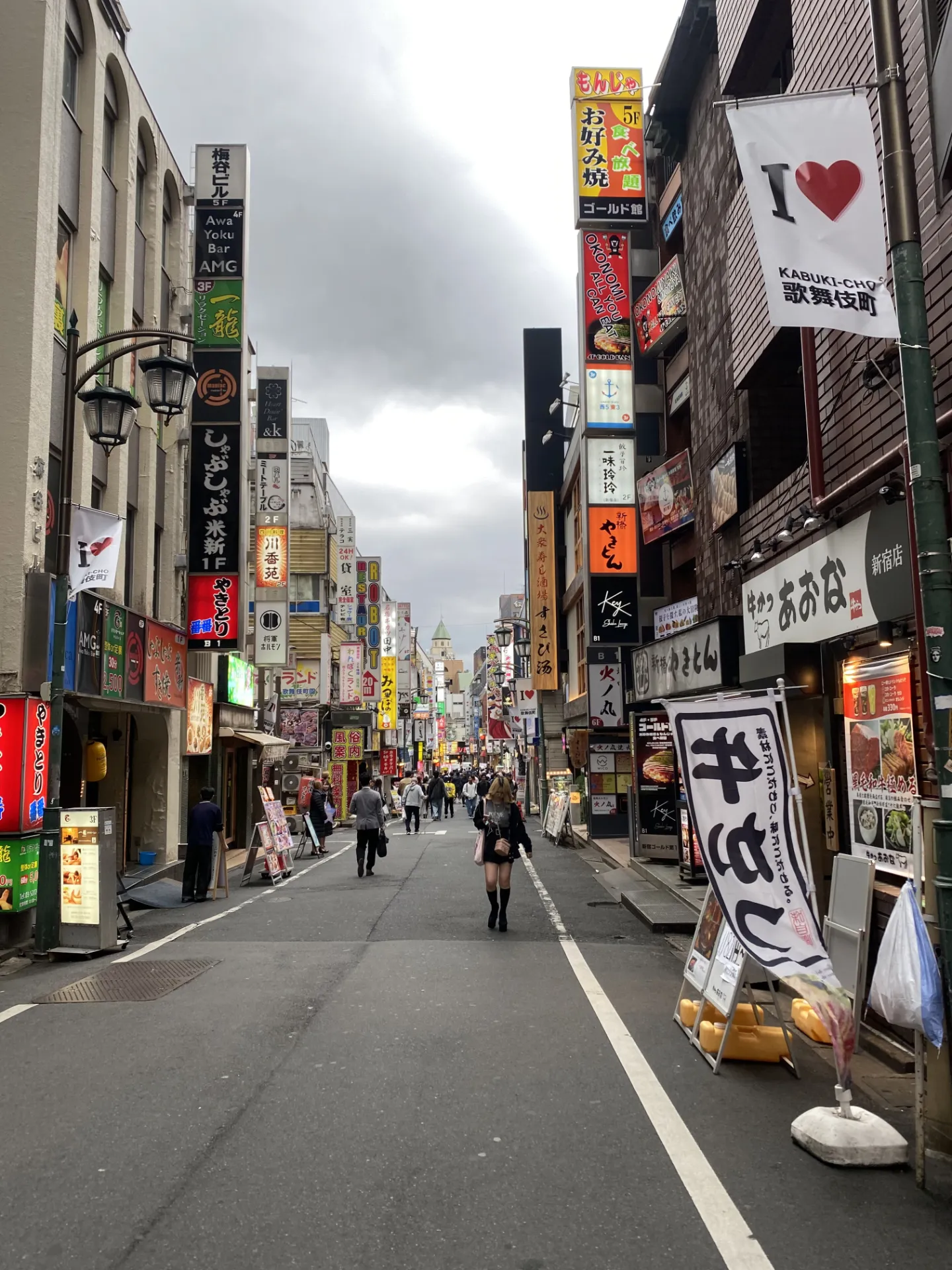
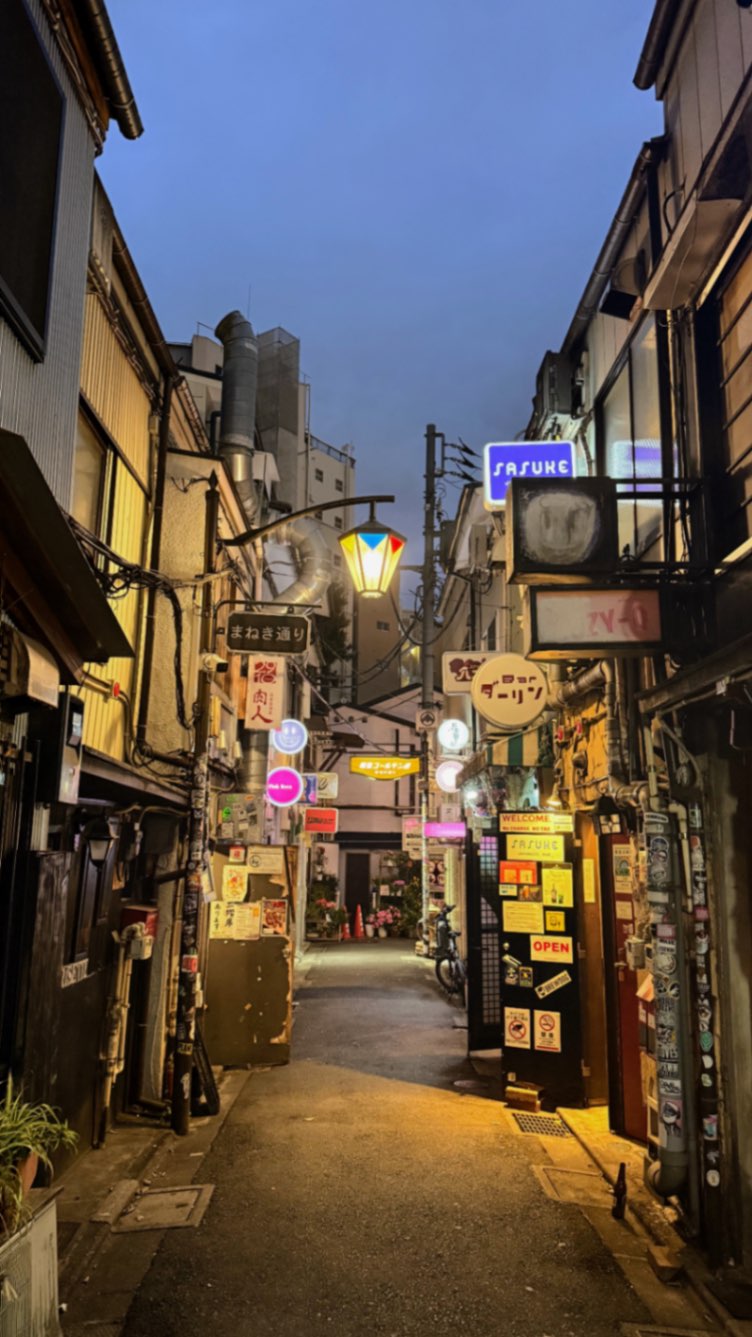
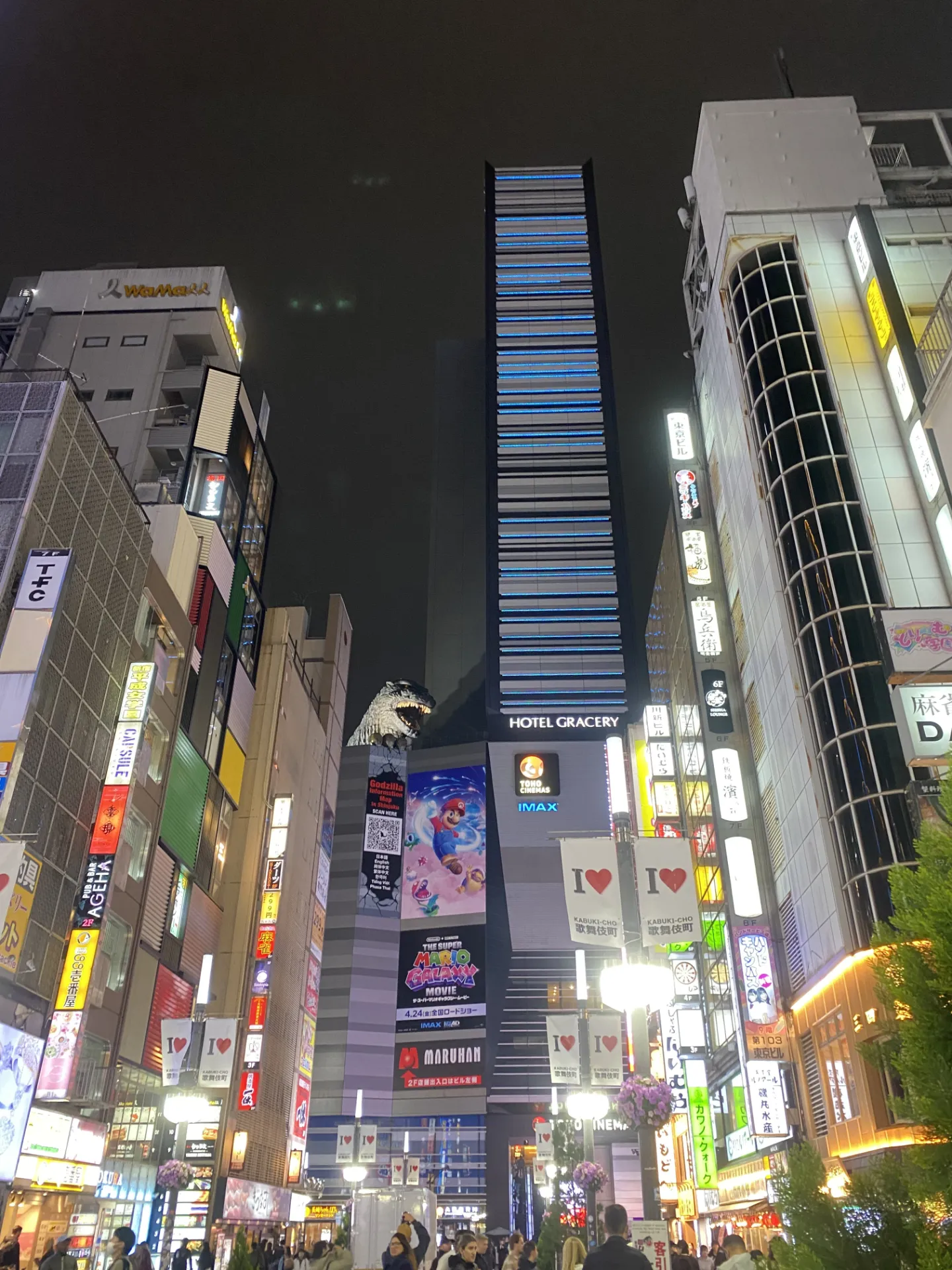
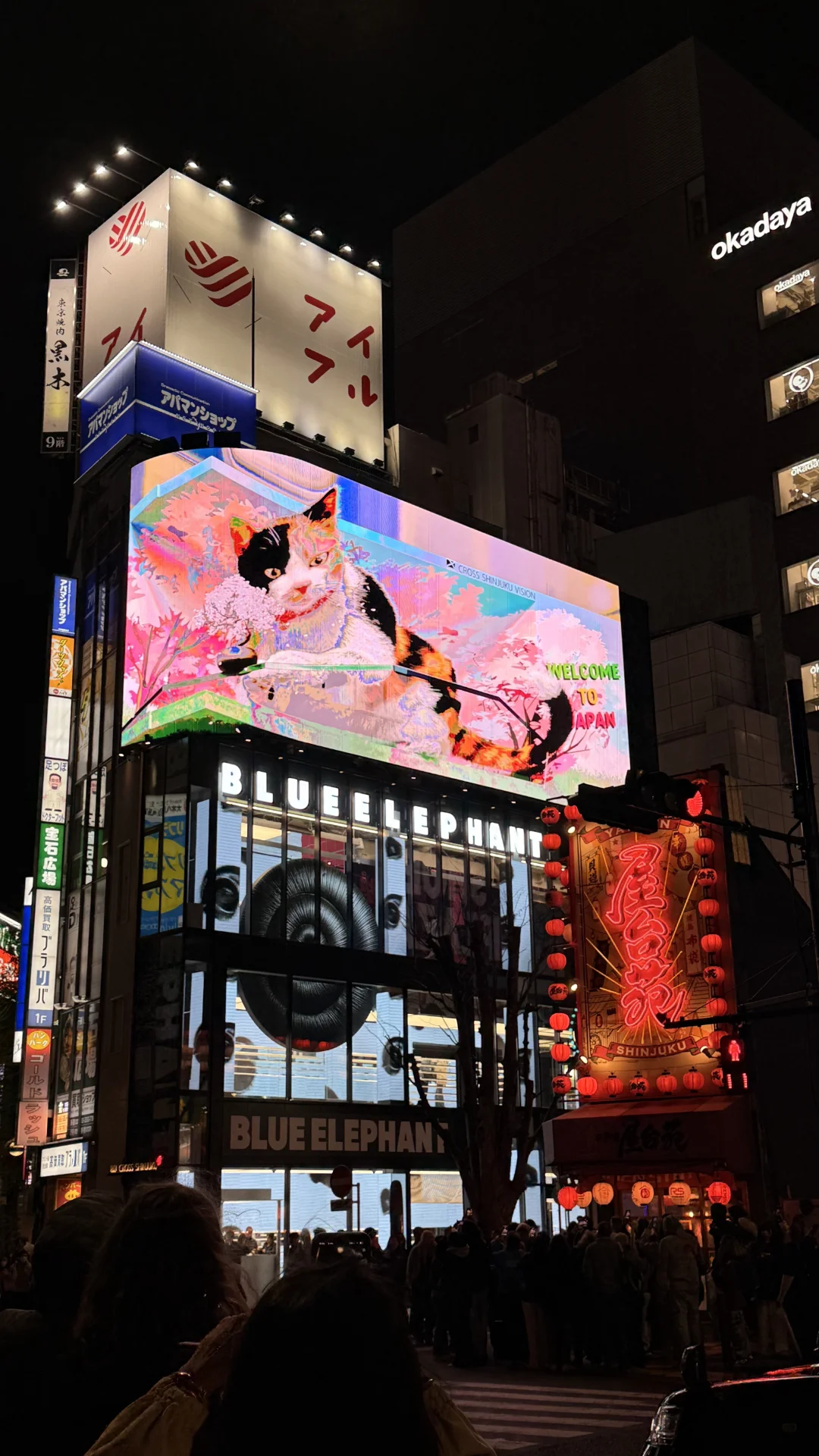
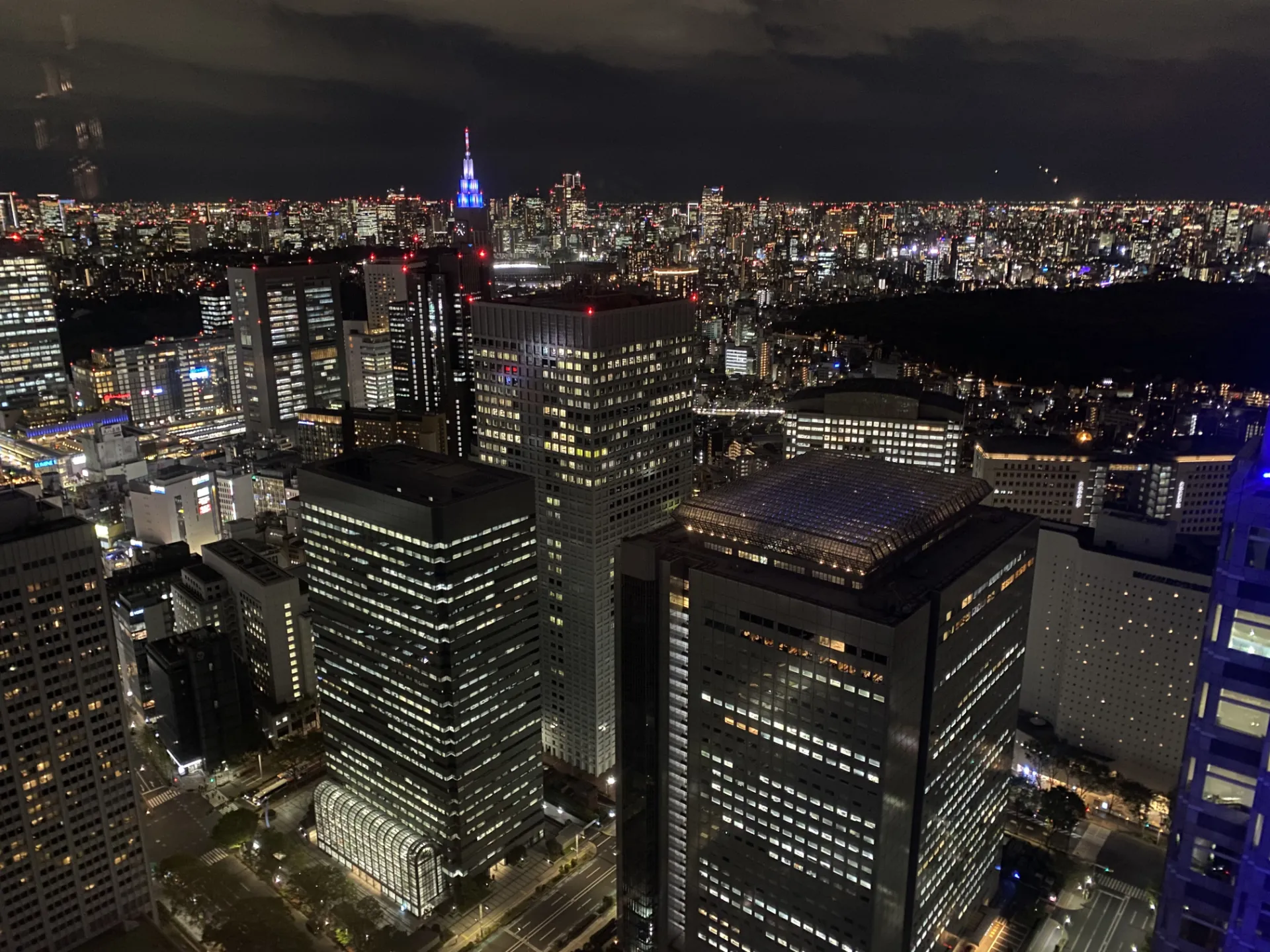
Duck into Memory Lane — also known as Omoide Yokocho — a tiny alley of smoky yakitori stalls, red lanterns, and old Tokyo atmosphere that feels frozen in time. Sit down at one of the counters, order grilled skewers and a cold beer, and let the evening slow down around you. It is one of those unexpected moments that stays with you long after the trip ends. Wander through Golden Gai — a maze of impossibly tiny bars each with its own personality — and spot the Godzilla head looming from the Toho Cinema building rooftop. Don't miss the famous Shinjuku cat, the giant 3D calico cat appearing on the curved LED screen above the Cross Shinjuku Building, at the station's East Exit. Finish the day at the Tokyo Metropolitan Government Building — completely free entry, stunning panoramic views over the city, and a laser light show in the evening that most tourists completely overlook.
Day 3 — Sumida River, Asakusa, Skytree & Akihabara
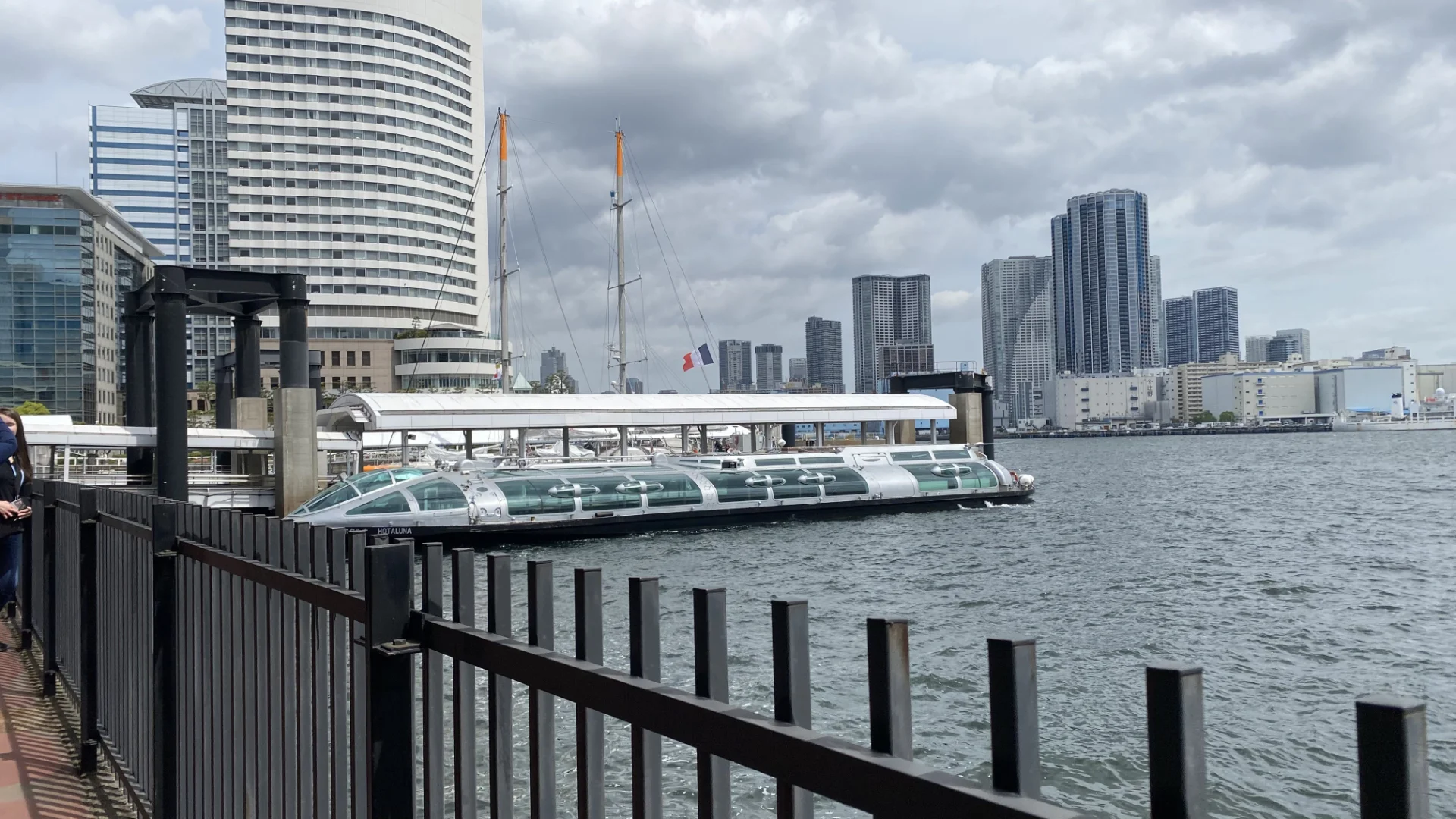
Start the morning with the Sumida River Cruise — boats depart from Hinode Pier near Hamamatsucho and travel all the way to Asakusa Pier, giving you a completely different and wonderfully relaxed perspective of Tokyo from the water. The journey takes around 40 minutes and passes under a series of distinctively designed bridges, each one different from the last. Book ahead during popular seasons — spring cherry blossom season in particular fills up fast and this is one experience you don't want to miss. Once you dock at Asakusa Pier you step directly into one of Tokyo's most atmospheric old districts without a single metro transfer.
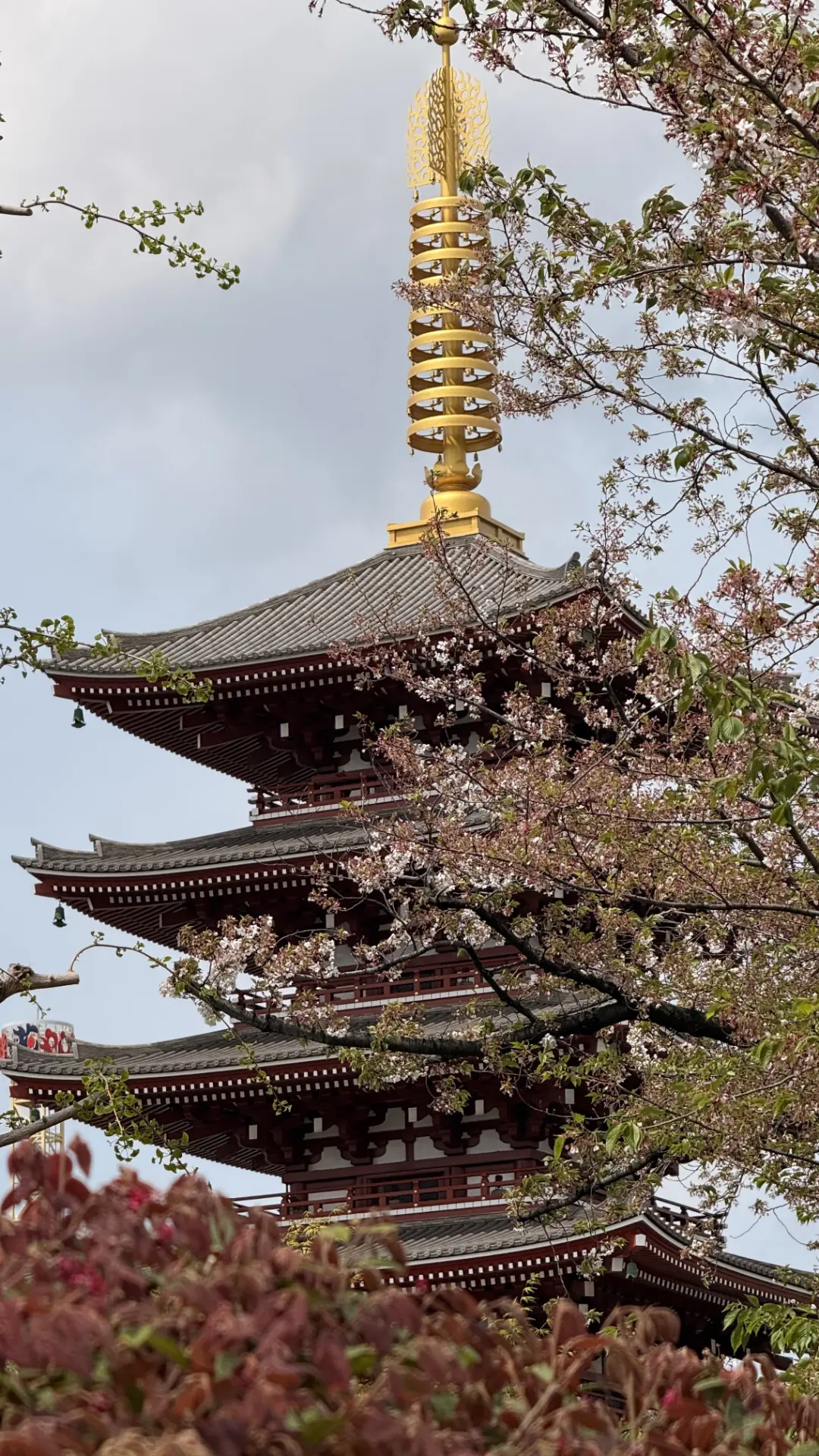
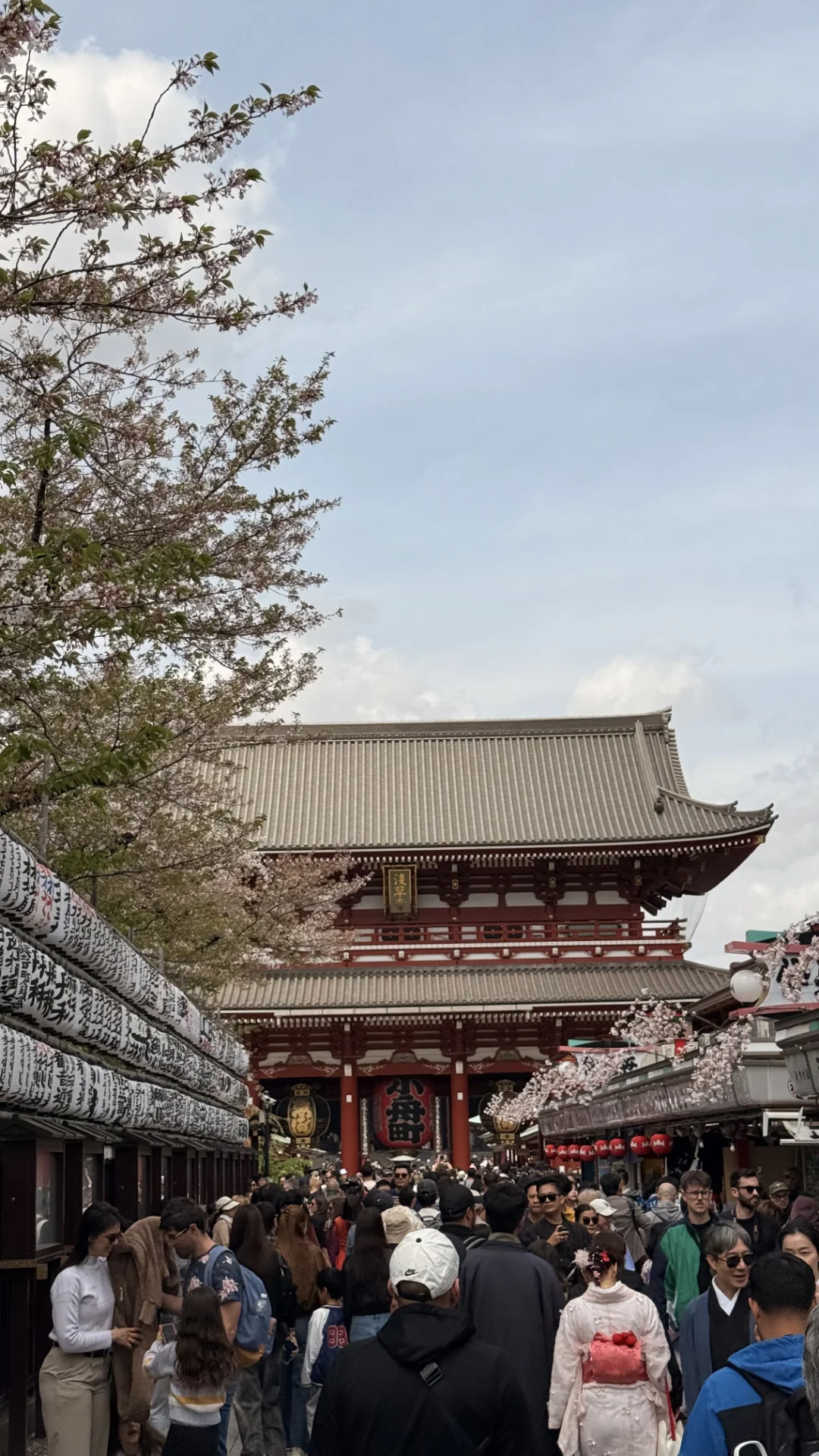
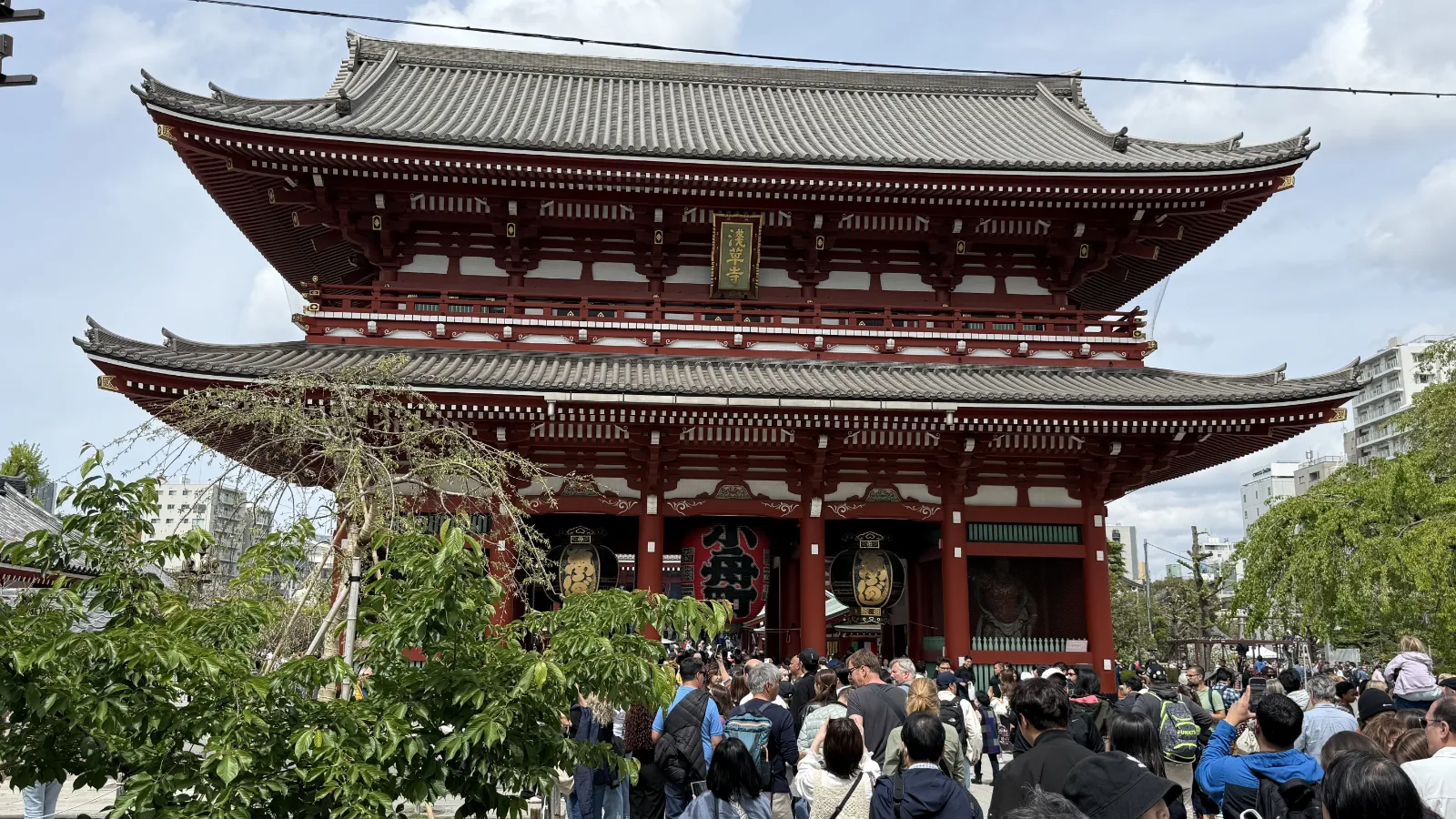
Explore Senso-ji Temple, Tokyo's oldest and most visited temple, and walk Nakamise Street lined with traditional snack stalls and souvenir shops. Buy the strawberry mochi here. You'll thank yourself.
Take the metro to Tokyo Skytree and Solamachi Mall at the base — home to a brilliant Pokémon Centre, a One Piece store, and an Onitsuka Tiger outlet that, unlike the Ginza flagship, rarely has a queue. Then head to Ueno Park and the street market buzz of Ameyoko Street before finishing the day in Akihabara — Tokyo's electric town, a sensory overload of anime, electronics, arcades, and the best place in Japan to buy an extra suitcase for everything you're accumulating.
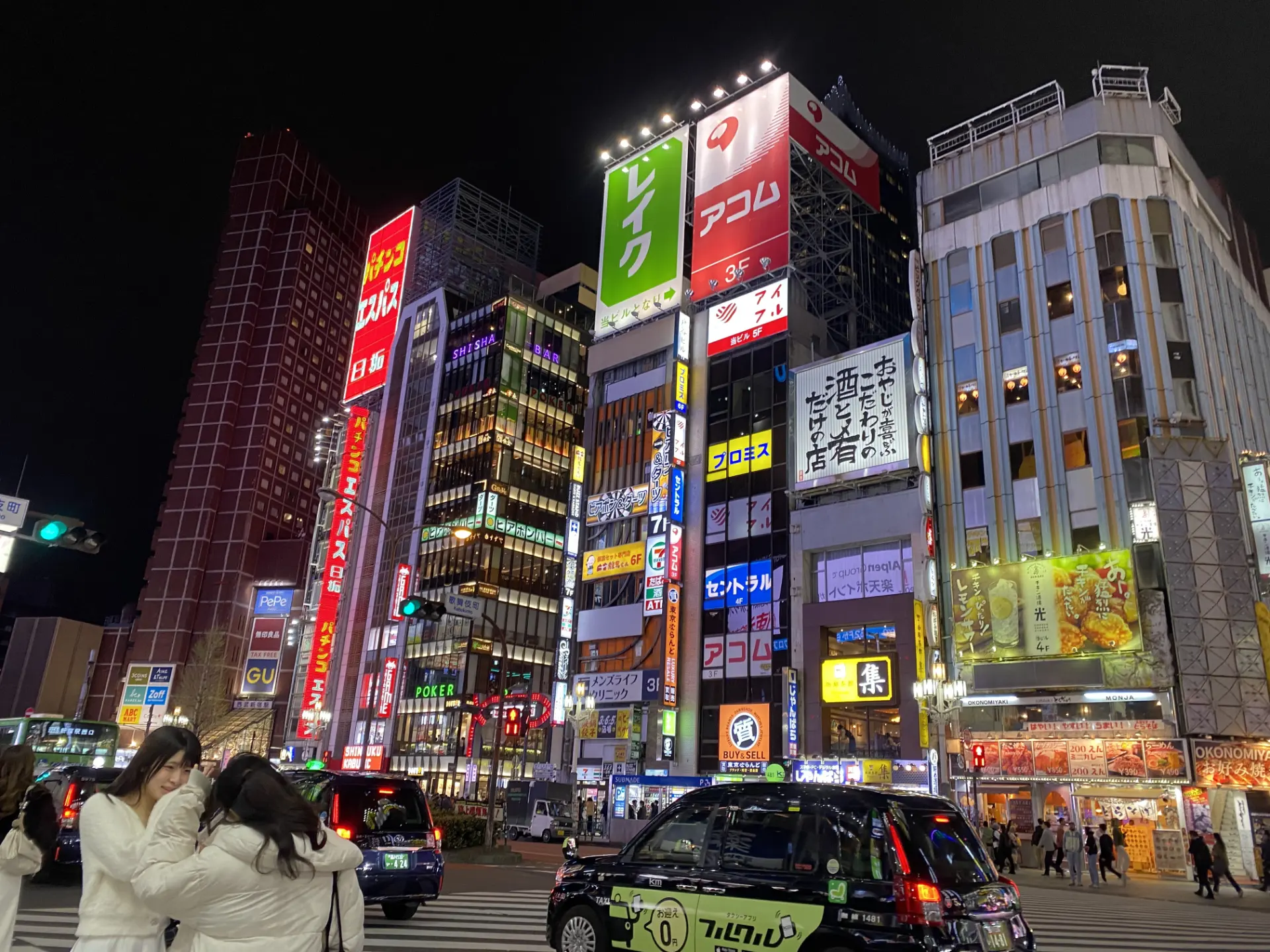
Day 4 — Harajuku, Shibuya & Shibuya Sky
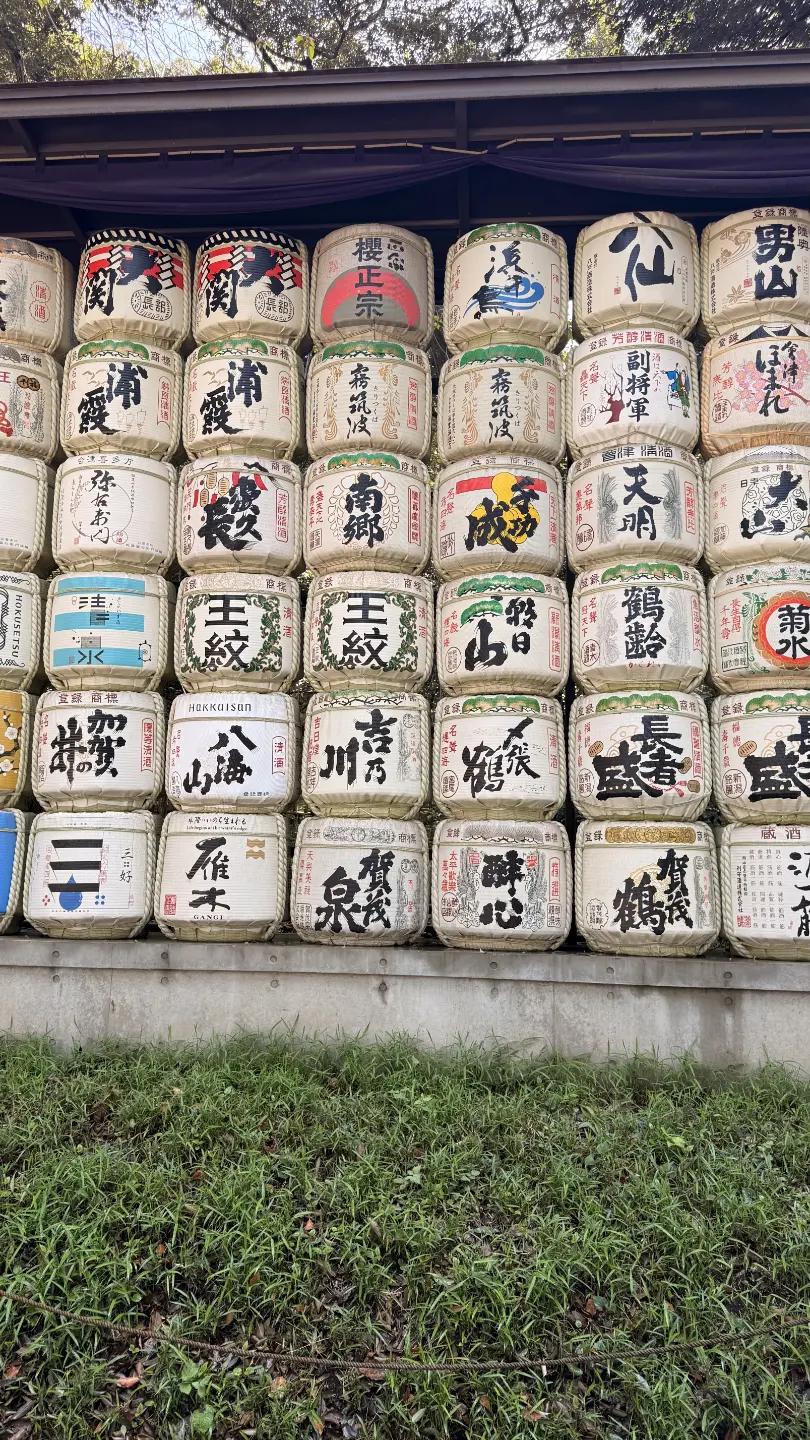
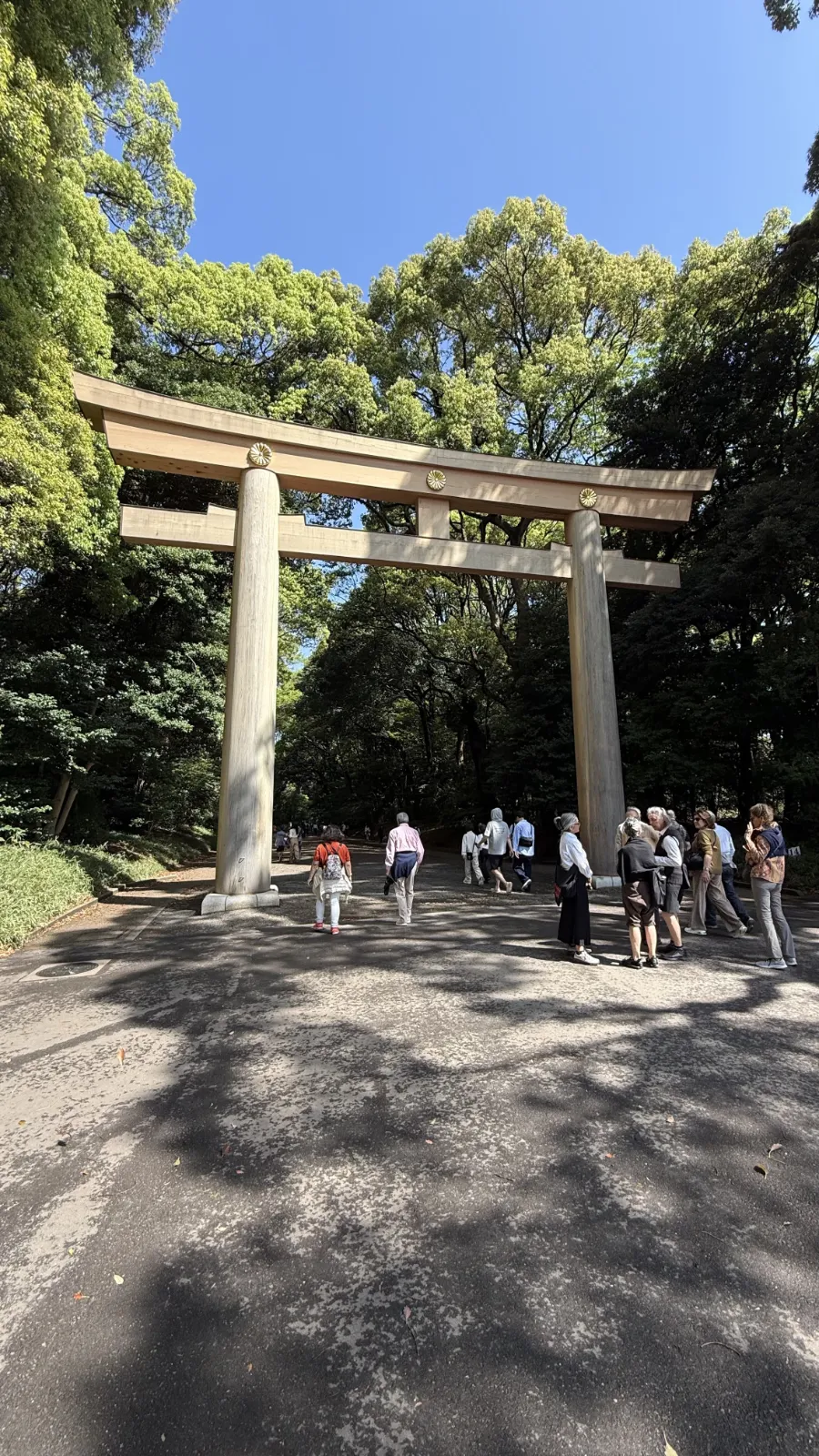
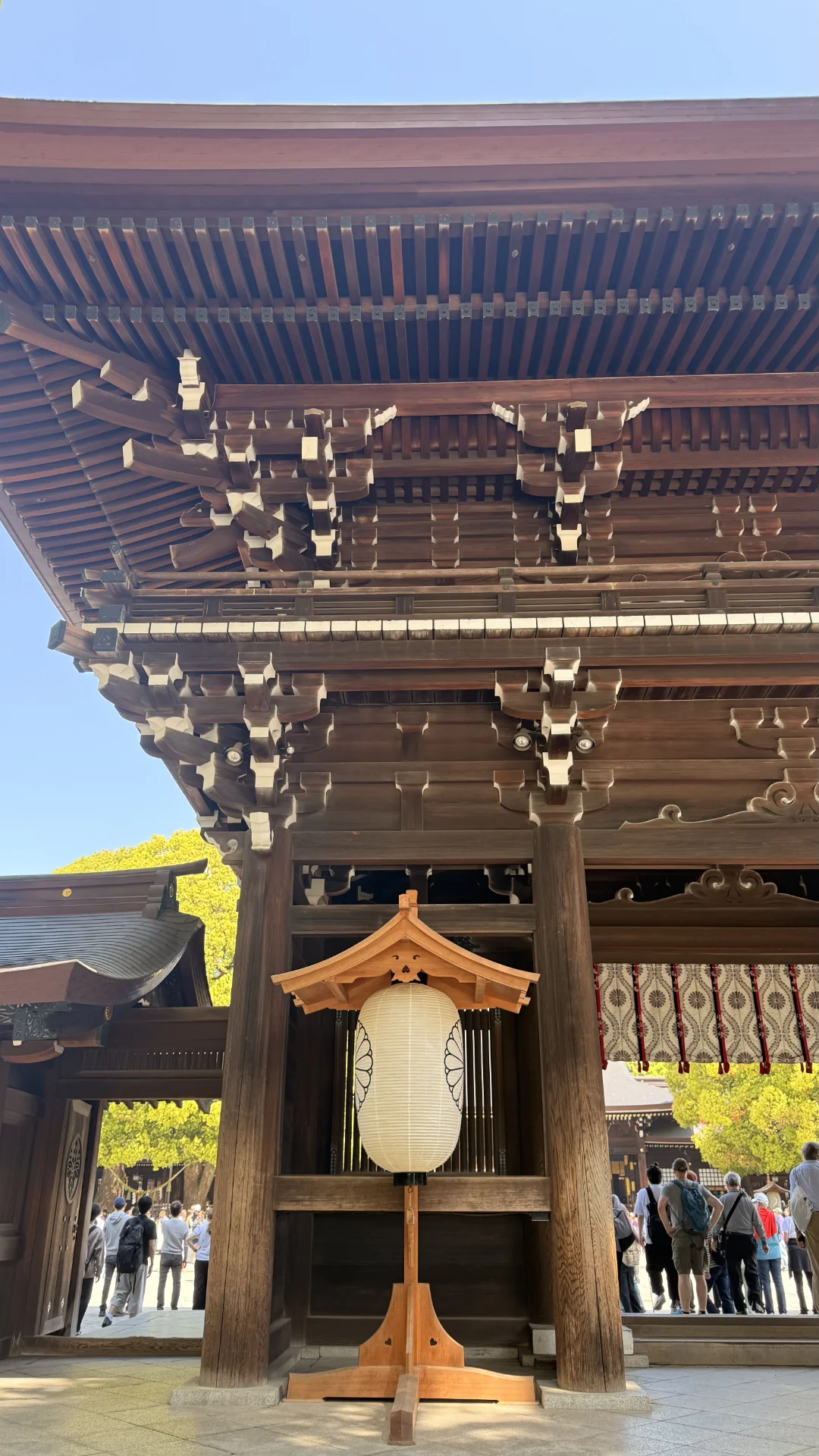
Start at Meiji Jingu Shrine — a vast, forested Shinto shrine in the heart of the city that feels completely removed from Tokyo's urban intensity. Take your time here. Then walk to Takeshita Street in Harajuku for Tokyo's most colourful, chaotic, and creative street fashion scene — crepe in hand, of course.
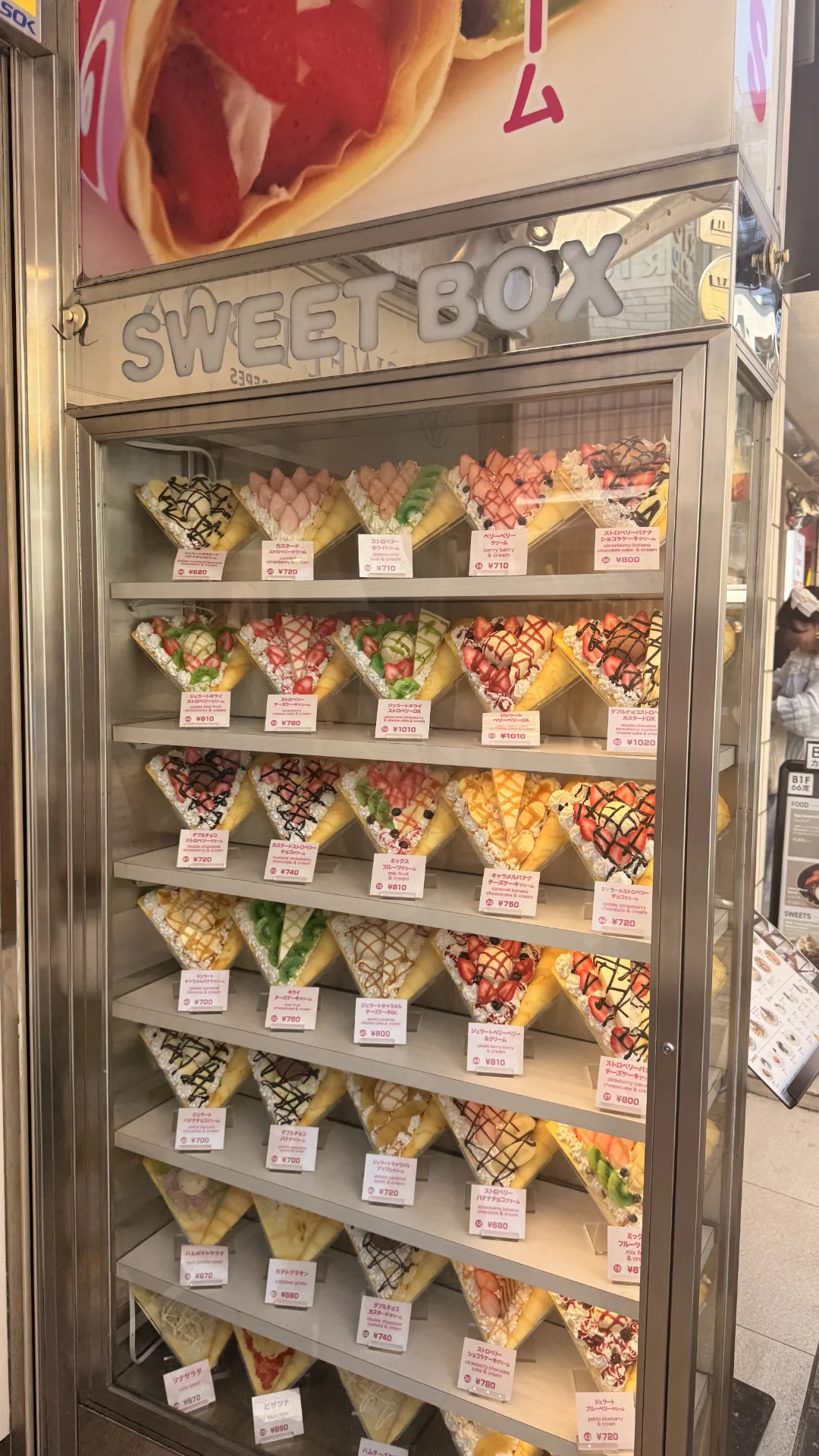
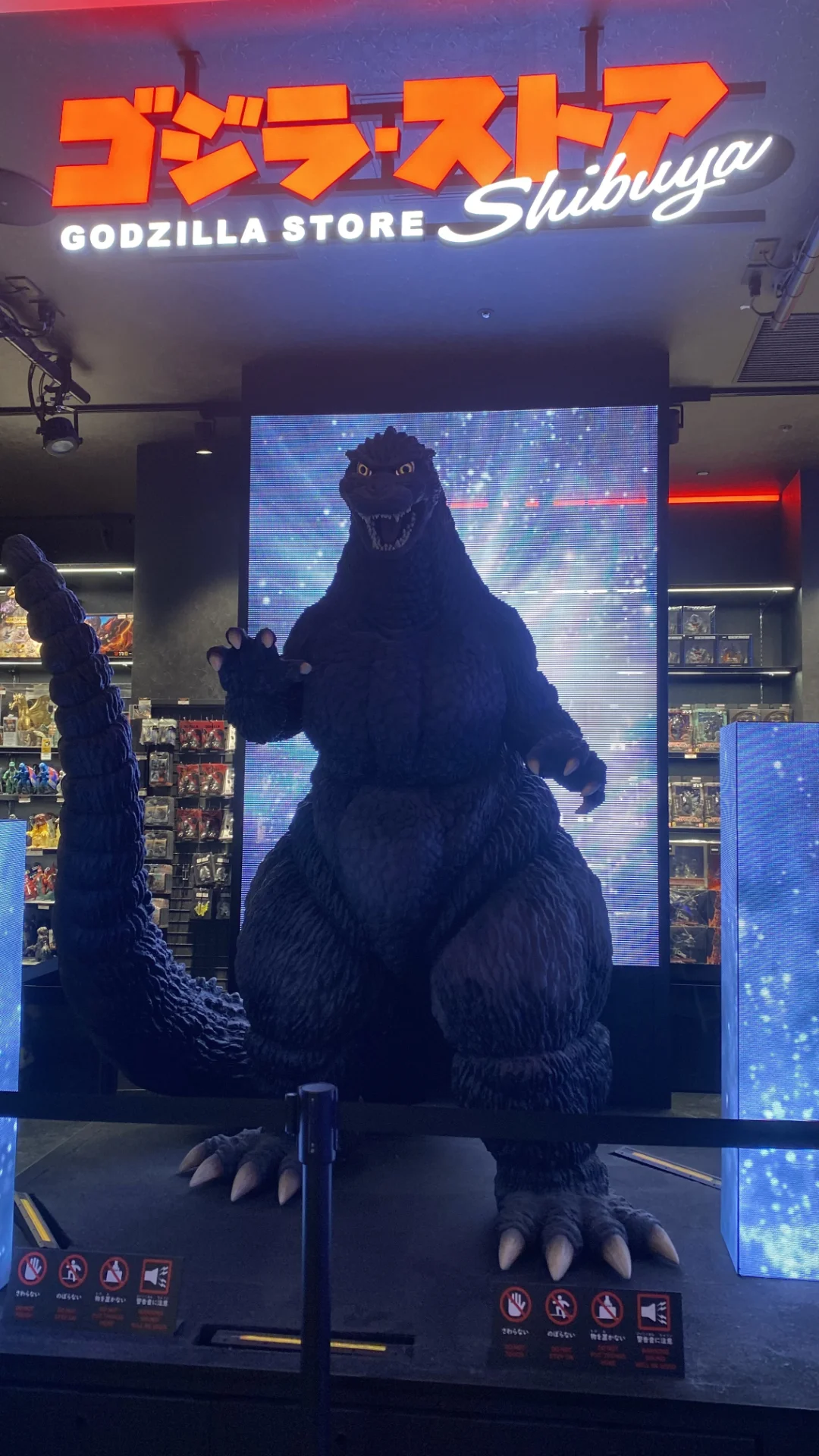
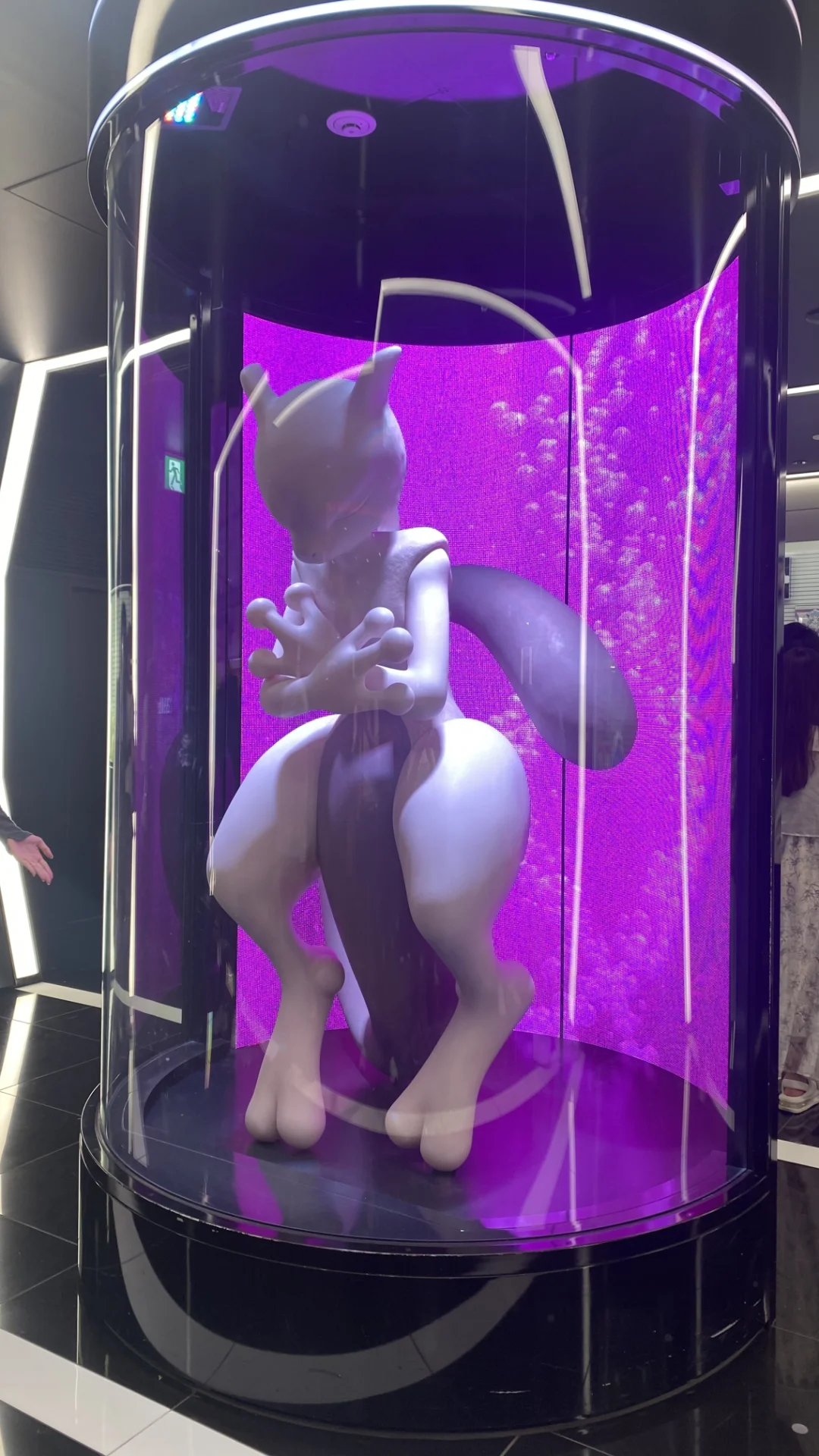
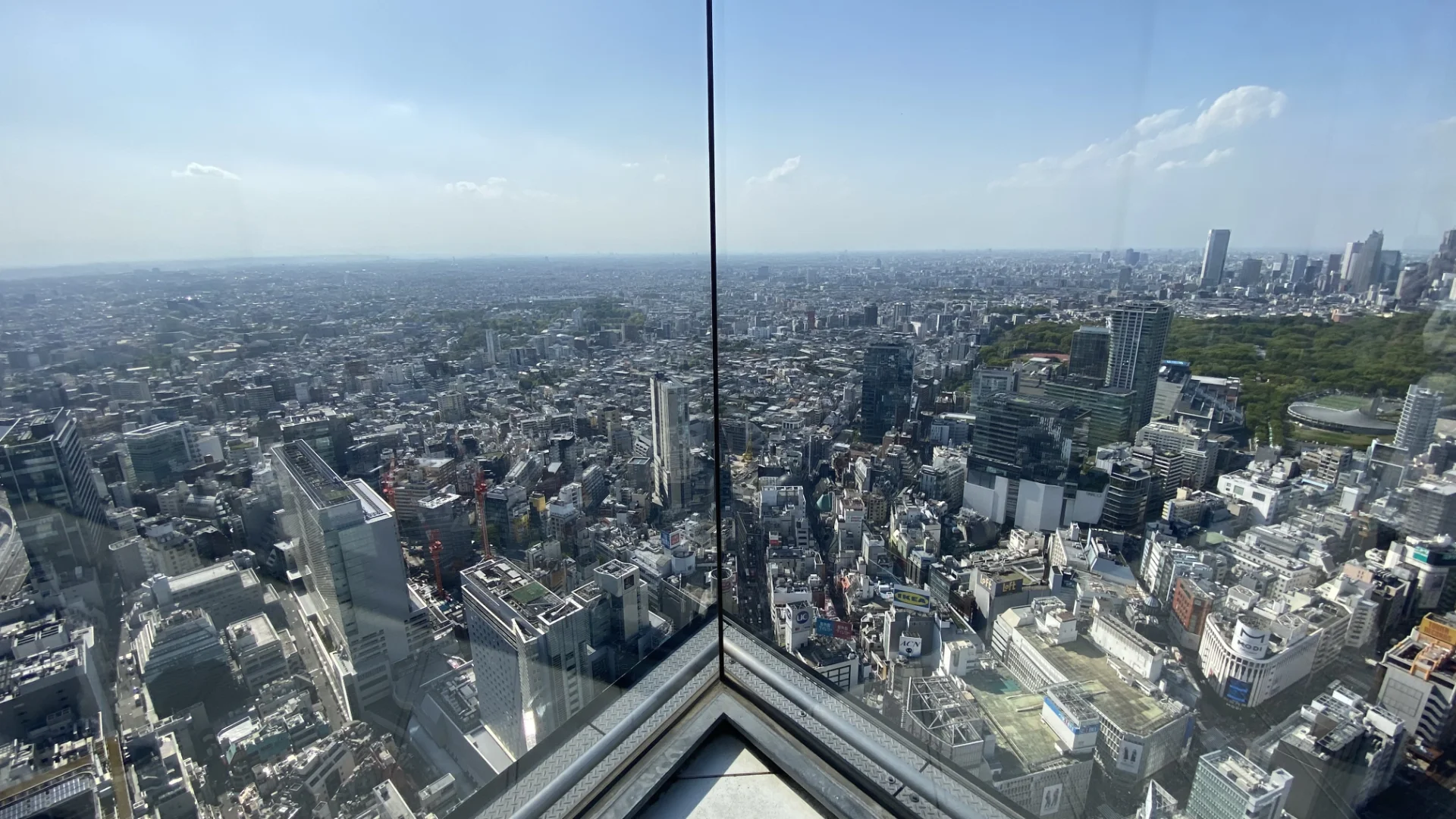
Stroll down Omotesando, Tokyo's most elegant tree-lined boulevard, for window shopping and people watching, before arriving at Shibuya Crossing — the world's busiest pedestrian crossing and one of those sights that genuinely lives up to the hype. Watch it from the Starbucks window for the full effect. From here, head up to Shibuya Sky for sweeping 360° views over the Tokyo skyline — remember, sunset slots book out within hours of release, so plan this well in advance. Prebook your Shibuya Sky tickets on Klook at least 2 weeks before visiting to secure a sunset slot. End the evening exploring Shibuya Parco — a beautifully designed multi-floor concept mall packed with art installations, designer collaborations, streetwear, a Nintendo store, and some of the most creative retail spaces you'll find anywhere in Tokyo. A perfect final stop before dinner in Shibuya.
Day 5 — Day Trip to Hakone
For this day, book an organised guided tour rather than going independently — it takes all the logistics out of one of Japan's most complex day trips and lets you fully enjoy the scenery without worrying about connections, timings, or missing the best viewpoints. Browse Hakone day tours on Klook — English-speaking guides, instant confirmation, and great reviews.
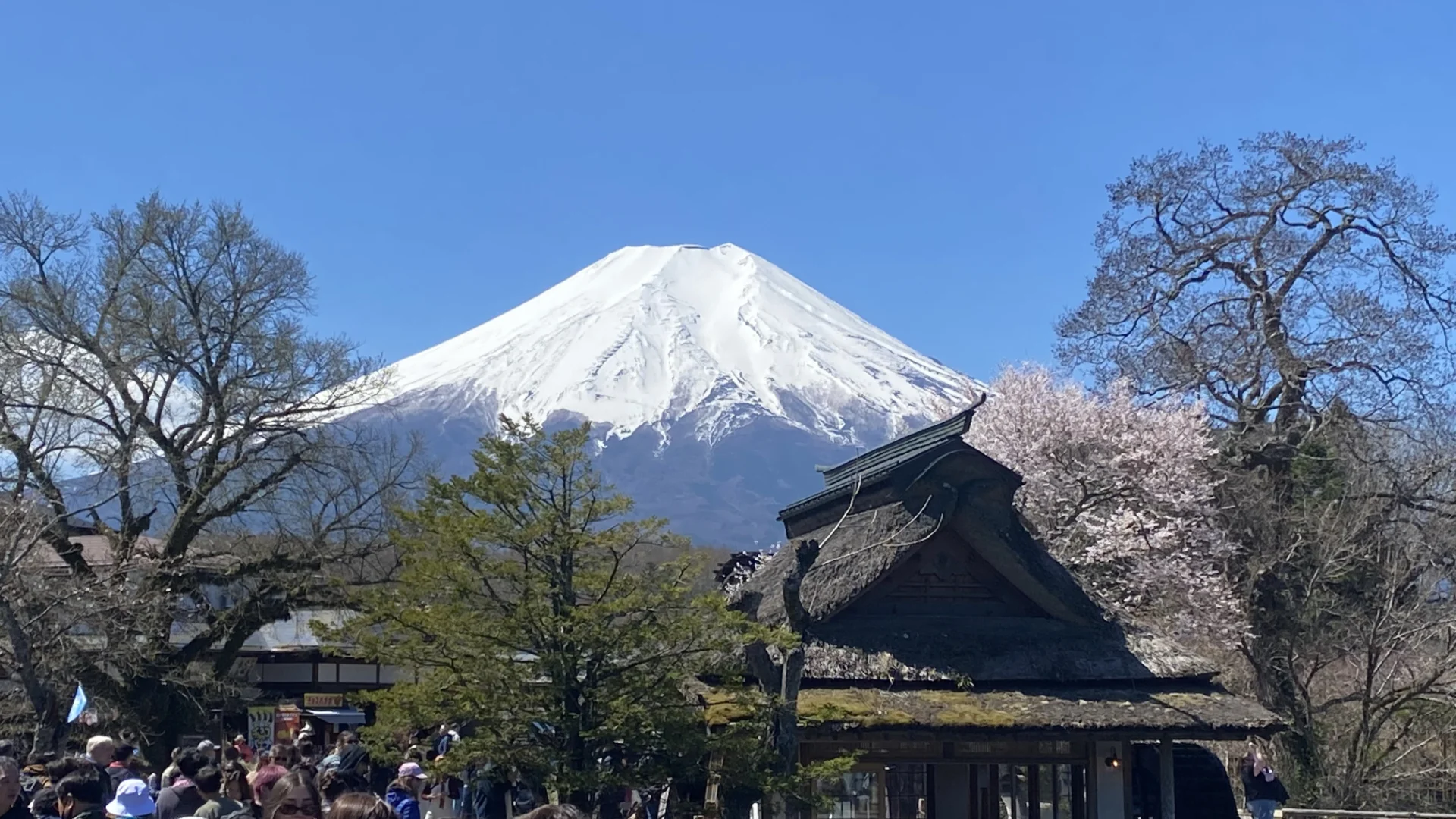
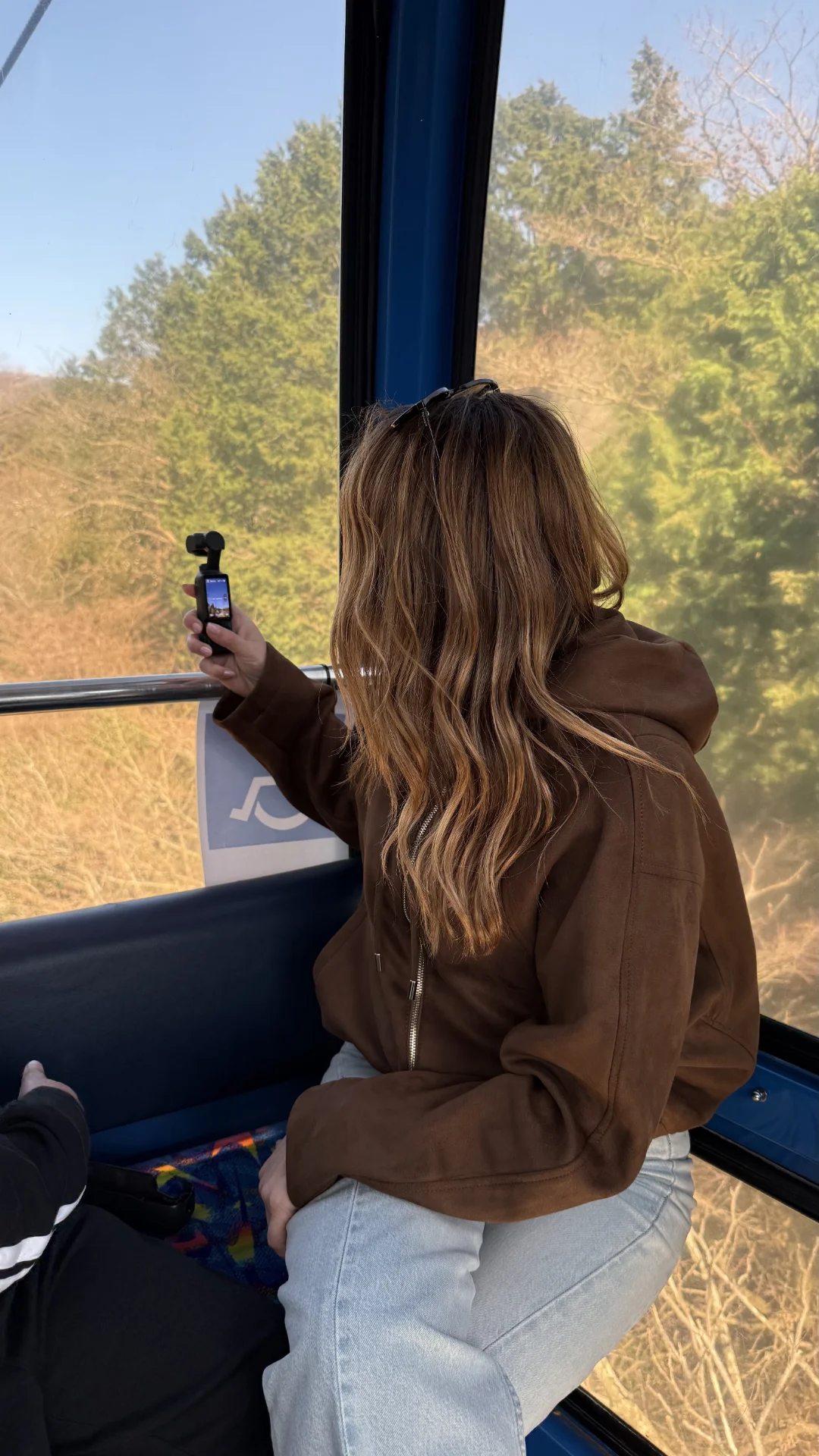
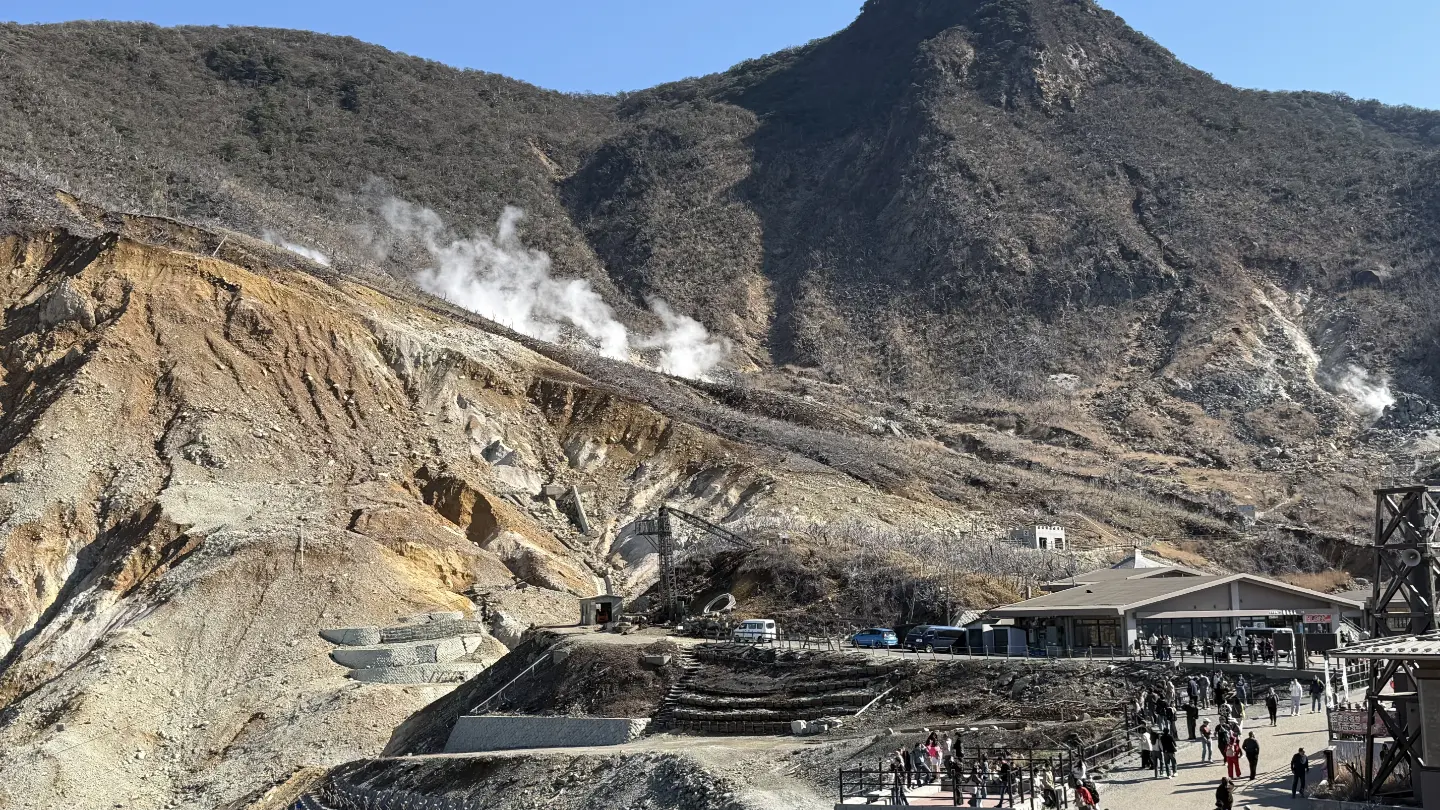
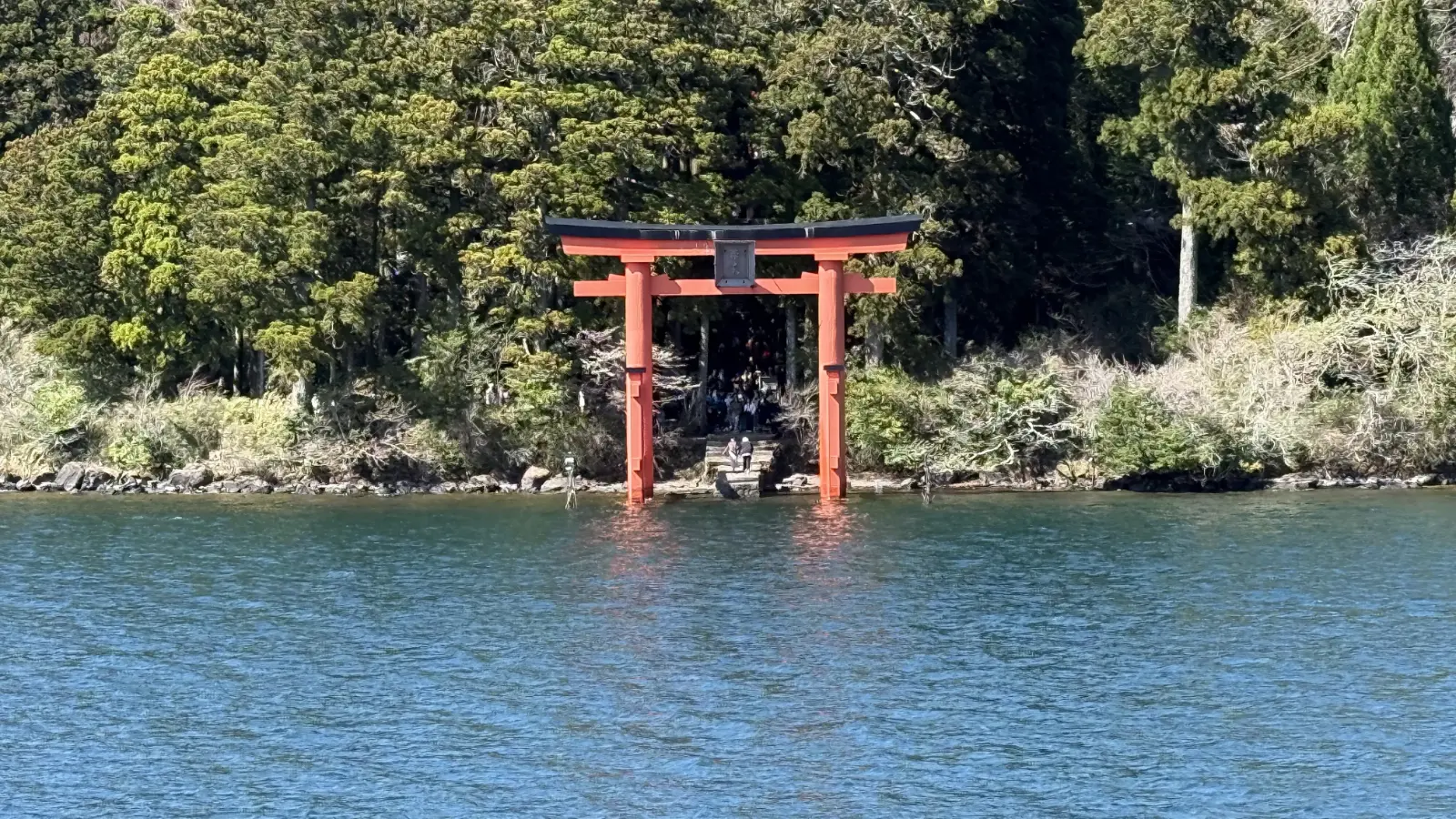
The tour follows the famous Hakone Loop — a circular route combining the romance car train, cable car, ropeway, and lake cruise through dramatic volcanic landscapes and mountain scenery. Stop at Ōwakudani for steaming volcanic vents and the iconic black eggs (said to add seven years to your life), then make your way to the lakeside for the classic Mt Fuji view across Lake Ashi on a clear day. Few sights in Japan are as quietly majestic as Fuji rising above the clouds over still water. On a clear day it will be one of the most memorable moments of the entire trip.
Book as early as possible — Hakone tours fill up quickly, especially during cherry blossom and autumn foliage seasons, and prices rise closer to the date.
One important tip before you book: check the weather forecast the night before. Mt Fuji is notoriously shy — clouds and haze can obscure it entirely, and many visitors never see it clearly. If a clear day falls on a different day of your trip, be flexible and swap your itinerary around it. That's exactly what we did, and we were rewarded with completely breathtaking, unobstructed views of the mountain. It is the kind of sight that stops you mid-sentence. No photograph does it justice. Prioritise the clear day over the plan — you won't regret it.
If you want more detail on the Tokyo days specifically — extra tips, restaurant picks, and hotel options — our 5 Days in Tokyo guide covers this same route in more depth.
KYOTO — Days 6 to 8
Day 6 — Arrival, Gion & Nishiki Market
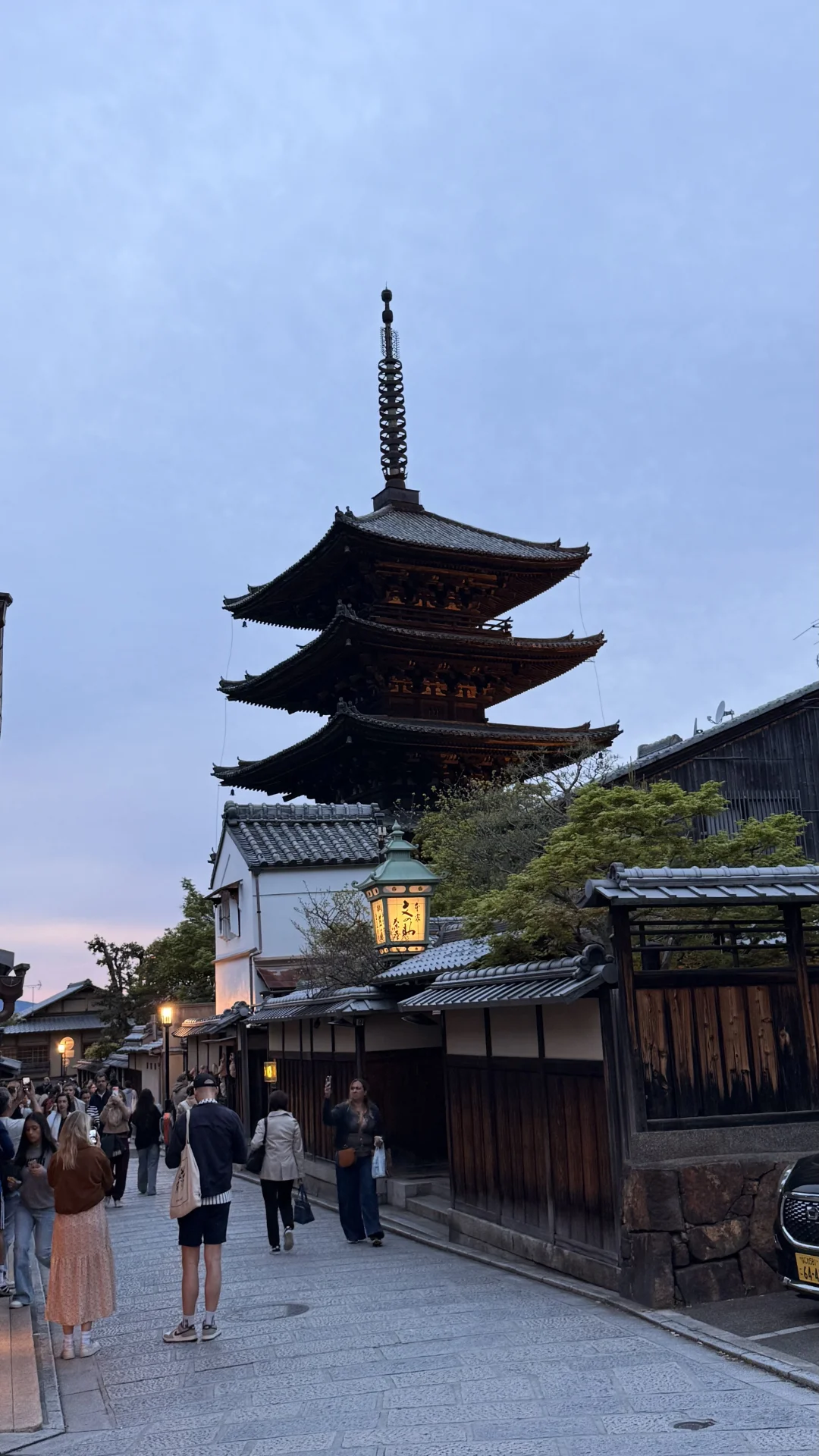
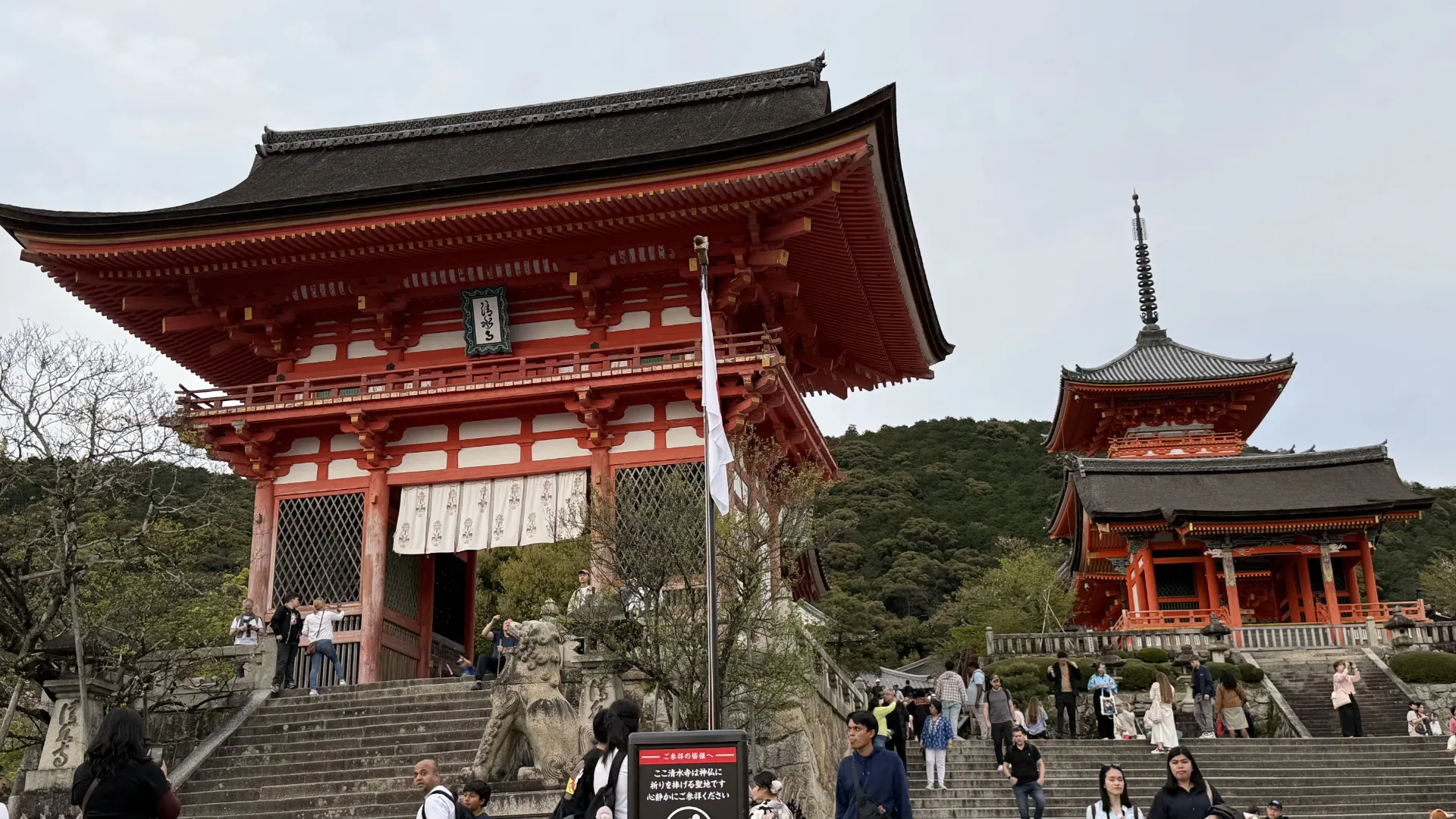
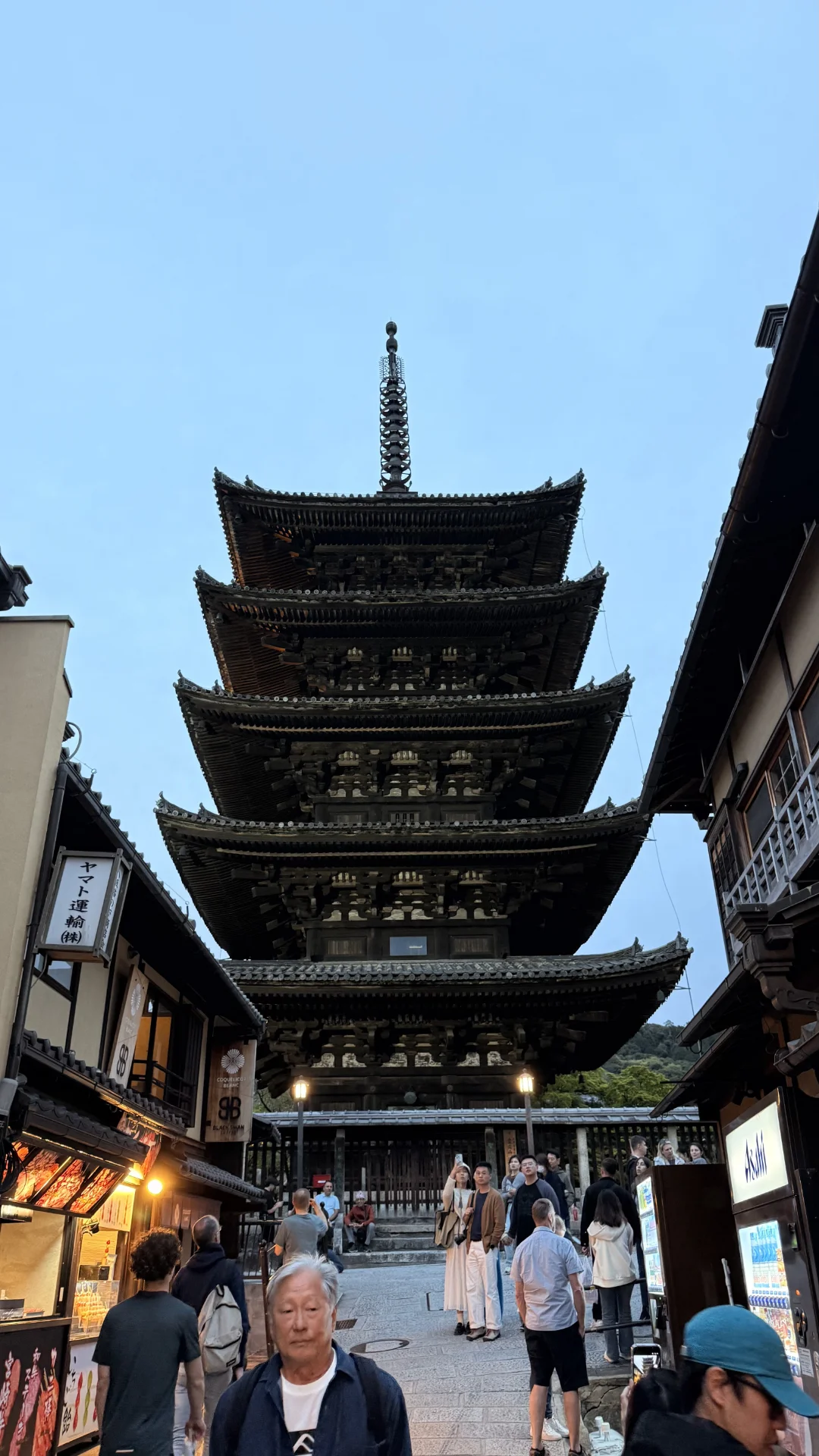
Take the early Shinkansen from Tokyo to Kyoto — sit on the right side of the train for Mt. Fuji views. Send your luggage ahead via a forwarding service so you arrive light and free. Once in Kyoto, head straight to Kiyomizu-dera Temple to start with something quiet and beautiful before the city fills up. In the afternoon, browse the stalls of Nishiki Market, Kyoto's narrow covered food market known as "Kyoto's Kitchen"—try everything. As dusk approaches, walk through Gion—Kyoto's famous geisha district, with its wooden machiya townhouses, stone-paved lanes, and the very real chance of spotting a maiko in the early evening. End the evening in Pontocho Alley, a narrow lantern-lit lane running parallel to the Kamo River, lined with some of the best and most atmospheric restaurants in Japan. Book a table in advance if you can.
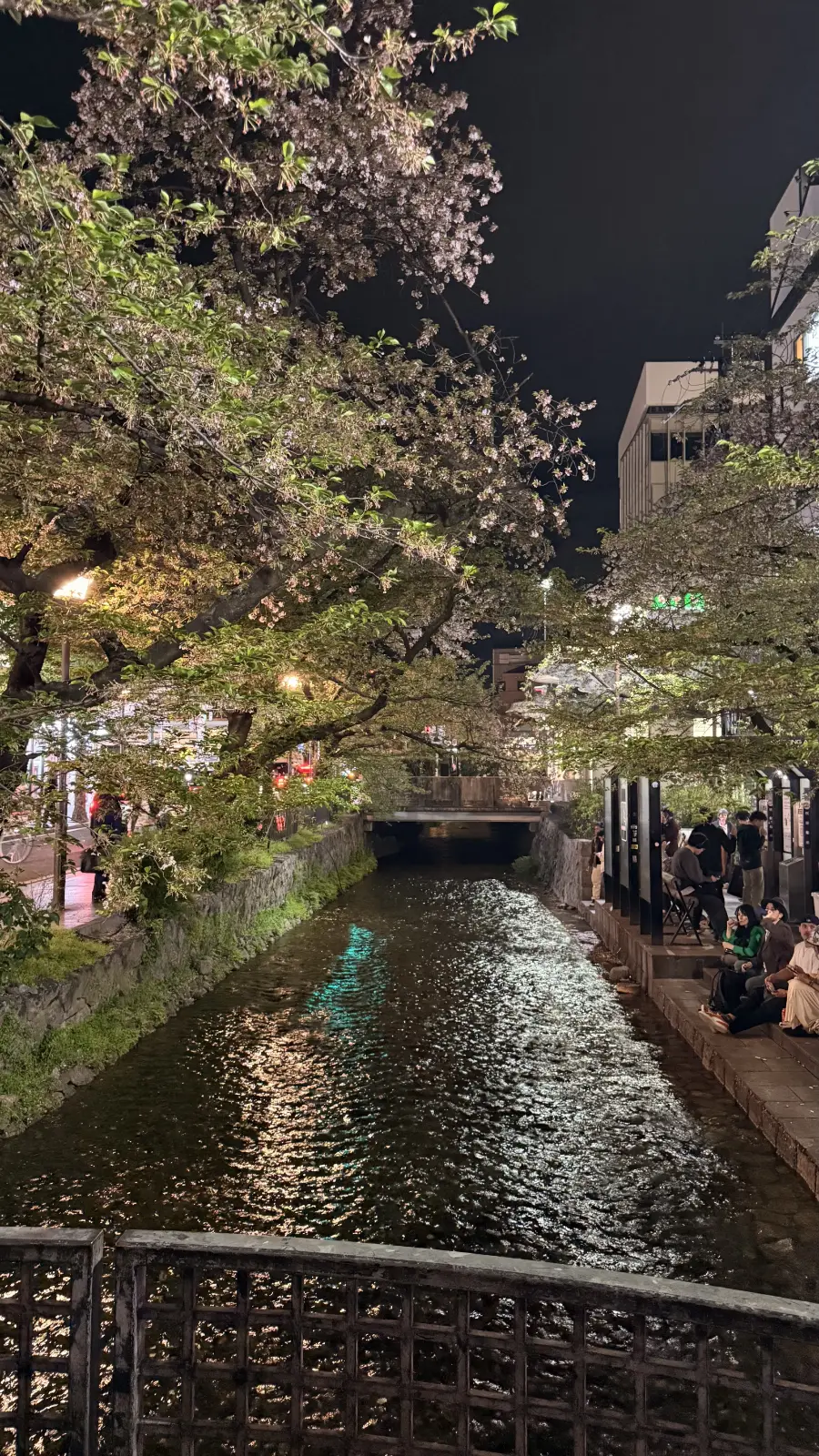
Day 7 — Golden Pavilion, Arashiyama & teamLab Kyoto
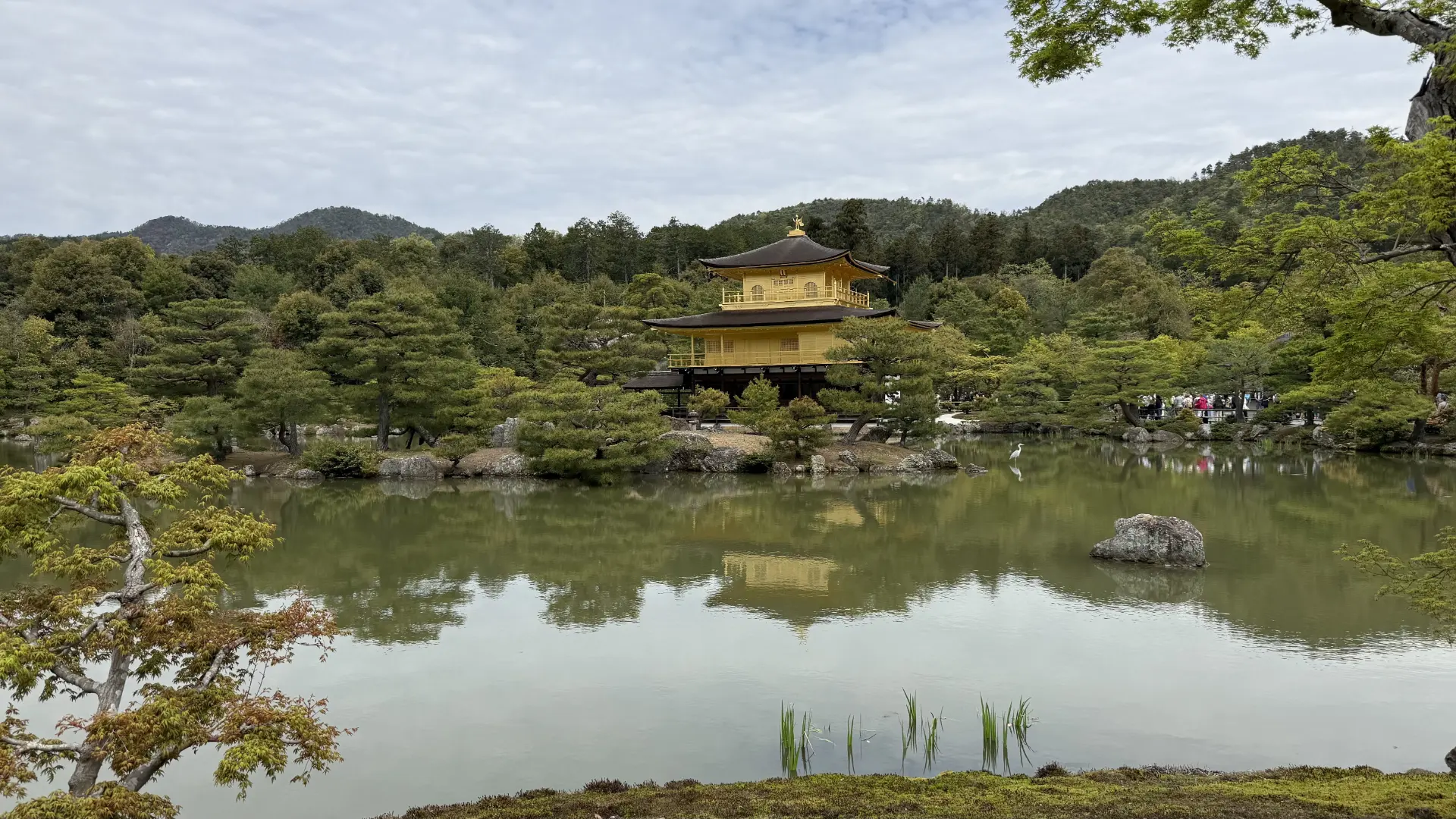
Start the morning at Kinkaku-ji — the Golden Pavilion — arriving as early as possible before the crowds arrive. The reflection of the gold-covered temple on the still pond is one of those images that never gets old no matter how many times you've seen it photographed.
Take the Sagano Romantic Train to Arashiyama — a scenic railway journey through dramatic river gorges and forested mountains that is an experience in itself. Book your seat on the right side of the train — the first stretch doesn't offer much of a view, but for the majority of the journey the right side rewards you with the best scenery as the gorge opens up around you. Worth planning ahead.
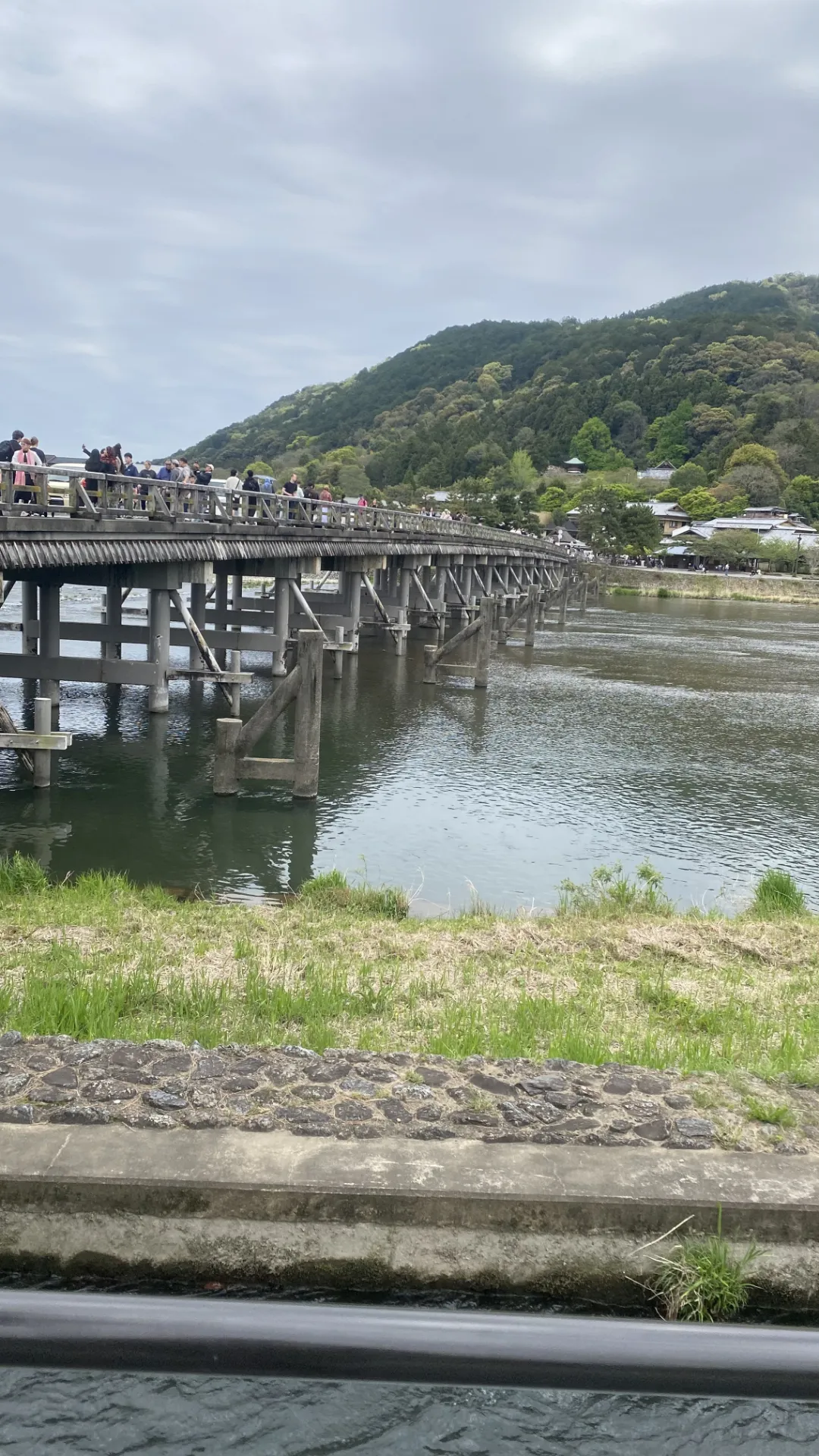
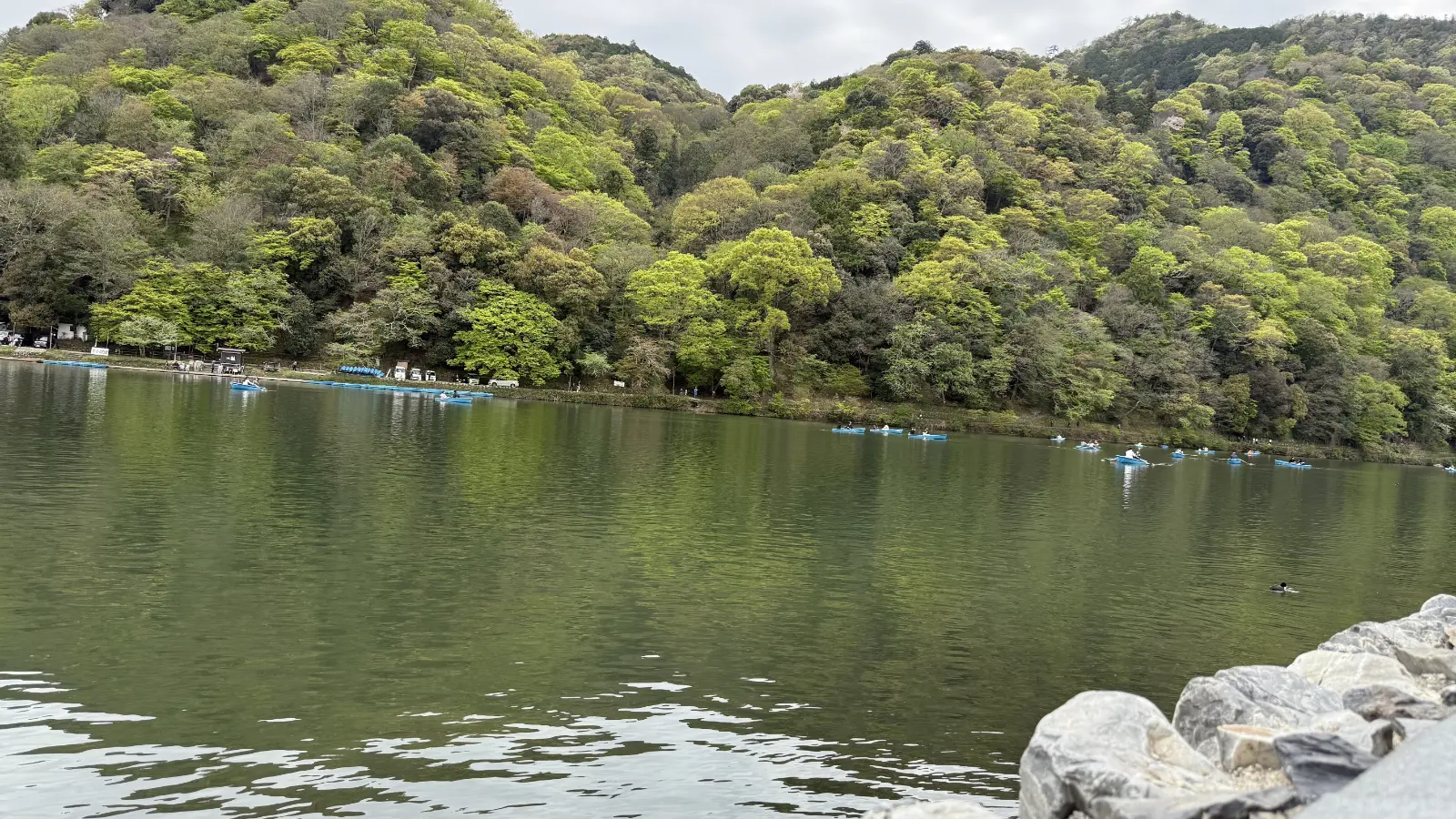
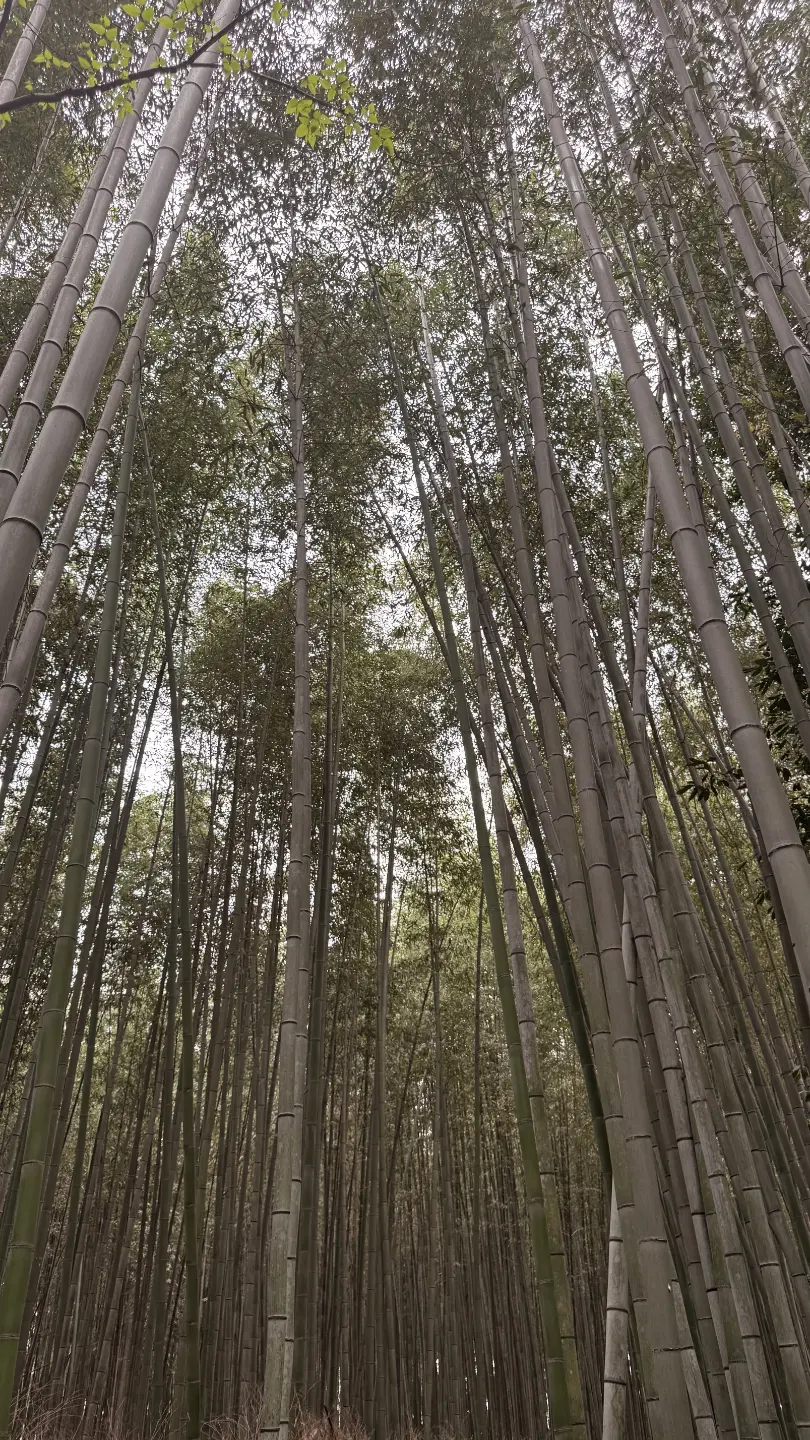
From the station, treat yourself to one of Arashiyama's best kept street food secrets: sweet potato with custard cream — warm, comforting, and utterly delicious. Don't walk past it. Then explore the iconic bamboo grove, follow the peaceful Hozu river walk, and wander through the Kimono Forest — hundreds of illuminated kimono-patterned pillars that are as beautiful in daylight as they are after dark. Head back to downtown Kyoto in the late afternoon to freshen up and get ready for the evening.
End the day at teamLab Kyoto — and go in prepared to be genuinely amazed. What I didn't know before visiting is that teamLab Kyoto is the newest and largest teamLab in Japan. Allow 2 to 3 hours to explore it fully. A word of warning: morning slots can have queues of up to an hour, so book an evening slot — we chose 7pm in April when closing time was 9:30pm, and it was noticeably quieter, unhurried, and all the more magical for it. We had the time and space to explore every installation properly. Our personal favourite was the Athletic Forest — an incredible, playful space that is equally brilliant for children and adults. One practical note: avoid wearing a skirt — the entire space is filled with mirrors and reflective surfaces. Book teamLab Kyoto through Klook for the best price and instant confirmation.
Day 8 — Fushimi Inari, Nara & Travel to Osaka
Today is a transition day — and a brilliant one. Before you leave your Kyoto hotel, send your main luggage ahead to your Osaka hotel via the forwarding service. Pack a single backpack with everything you need for the day — camera, snacks, a layer, your passport. Most major train stations in Japan have coin lockers where you can store your backpack while you explore hands-free, retrieving it before you board your final train to Osaka in the evening. It makes what could be a logistically awkward day feel completely effortless.
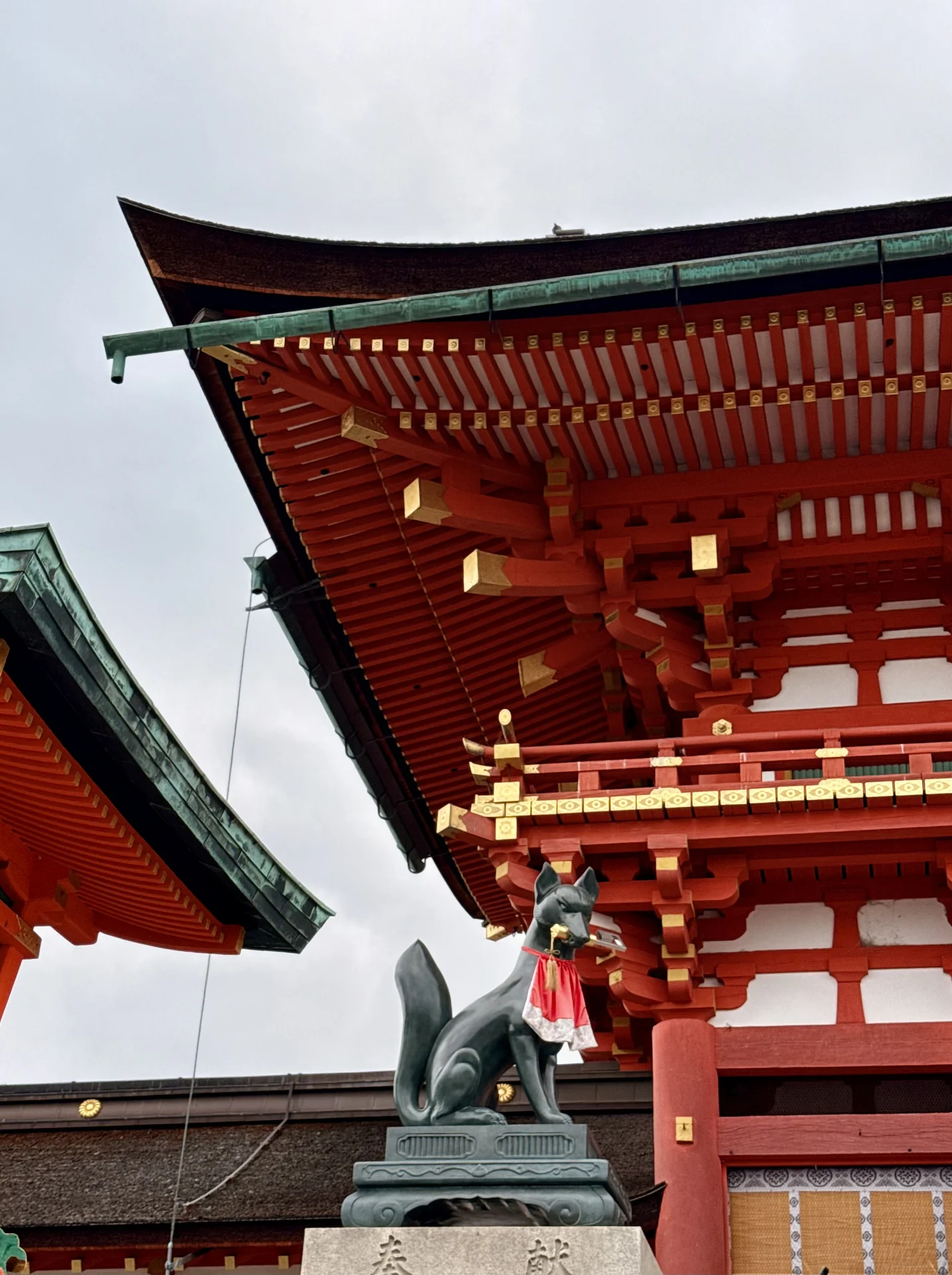
Wake up early for Fushimi Inari Taisha — the shrine of ten thousand red torii gates winding up a forested mountain. Go before 8am to experience it in near silence, before the tour groups arrive. You don't have to hike to the summit — even the first 30 minutes into the trail is spectacular.
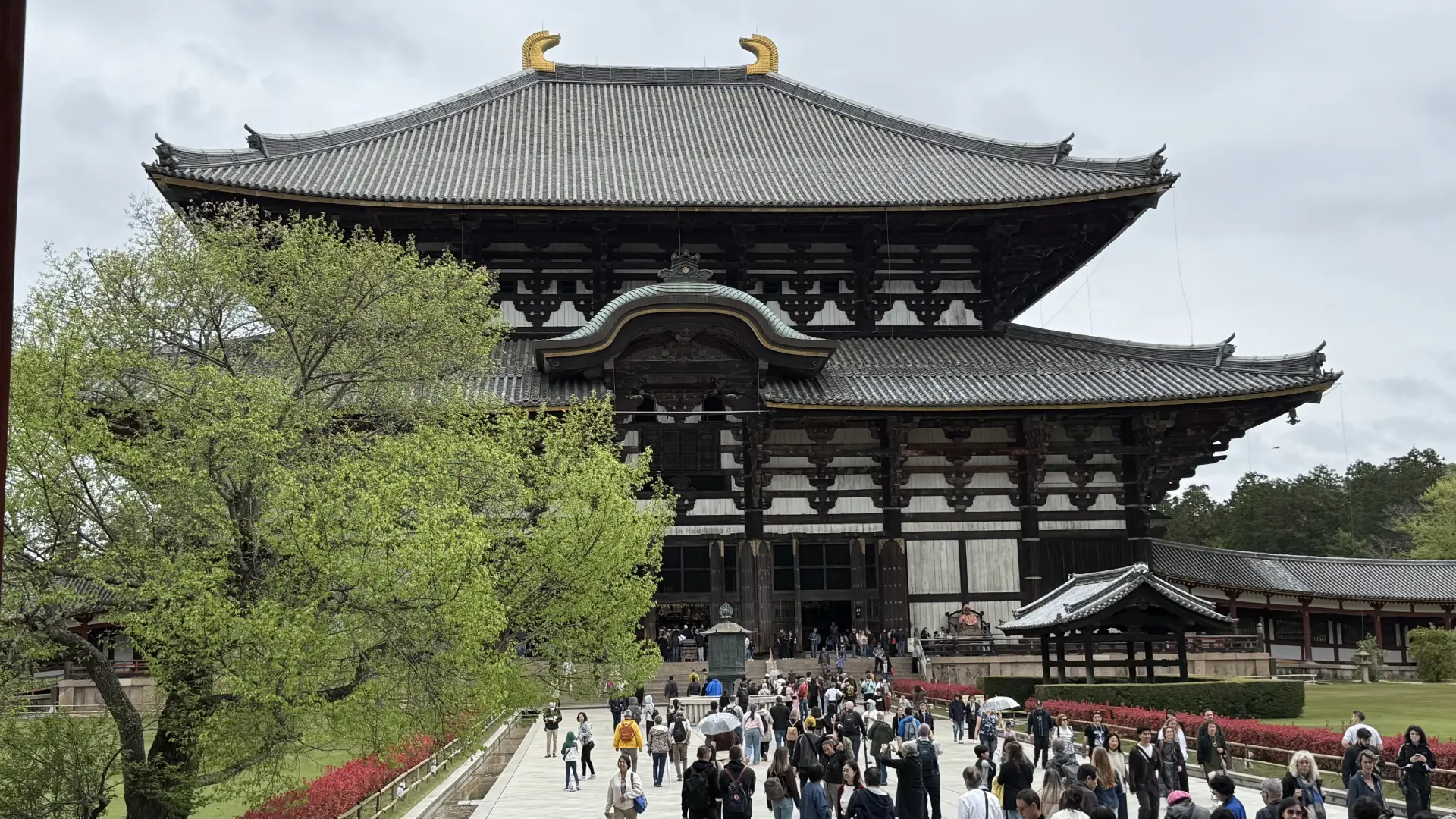
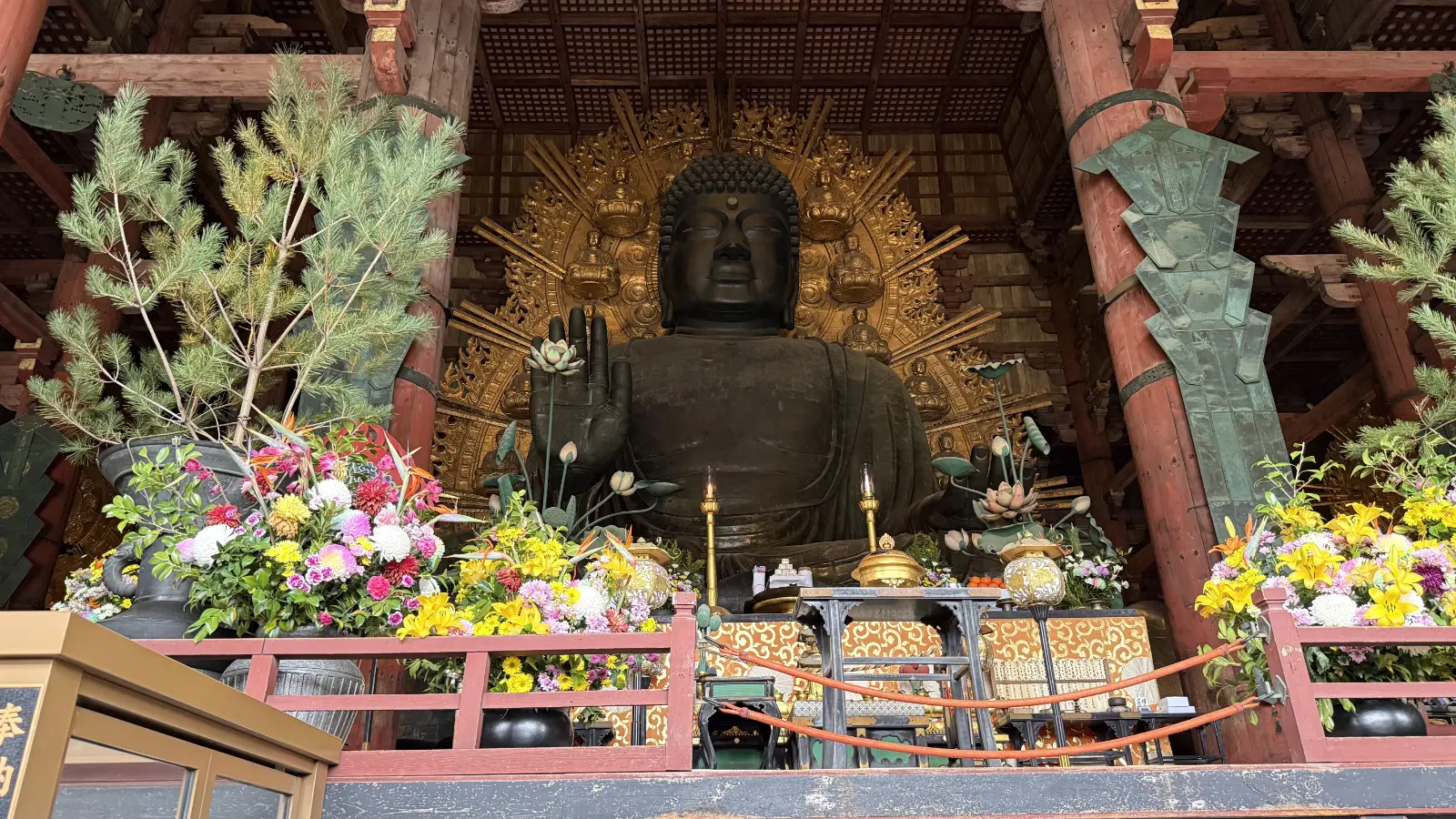
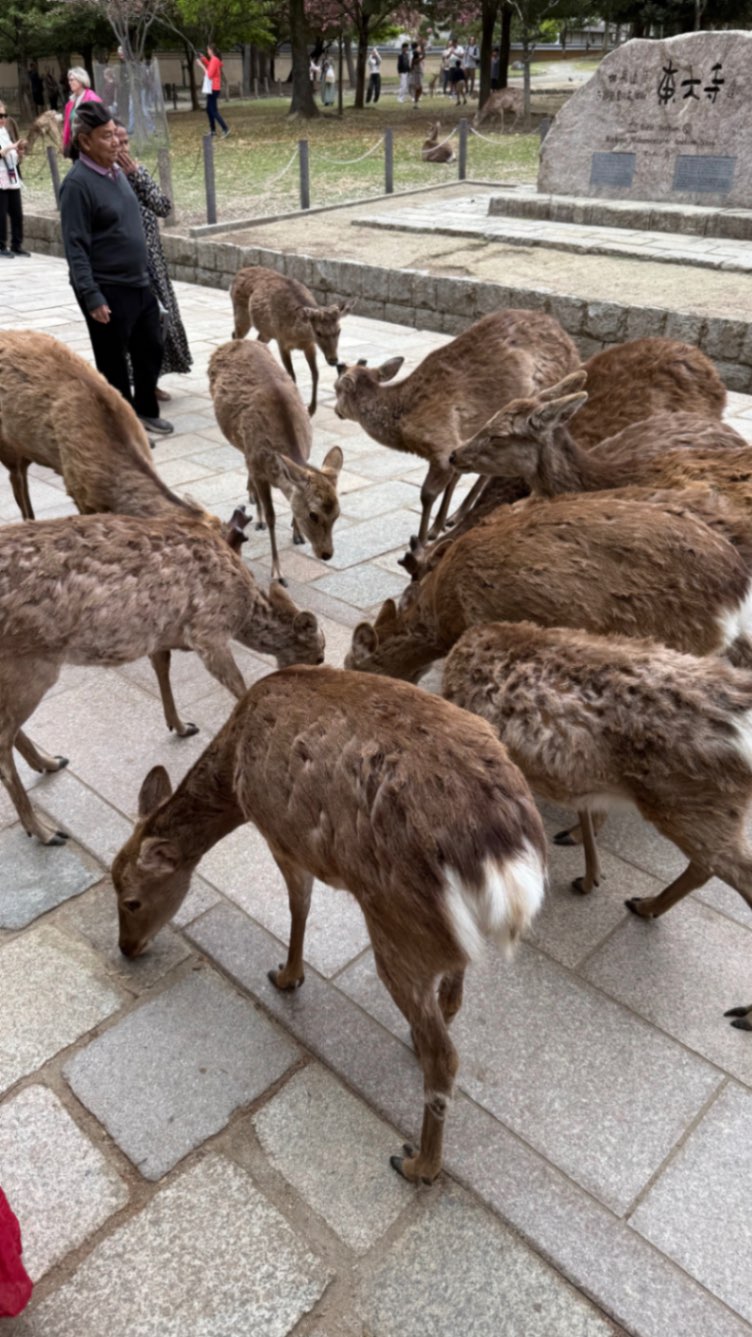
From Kyoto, take a short train to Nara — a small city where over a thousand semi-wild deer roam freely through the park and among the temples. Feed them deer crackers, visit Todai-ji Temple housing Japan's largest bronze Buddha, and allow yourself to be charmed by one of the most unexpectedly delightful places in Japan. Then head to Osaka in the evening, check in to find your luggage already waiting in your room, and get your bearings in Namba before a big day tomorrow.
OSAKA — Days 9 to 10
Day 9 — The Best of Osaka
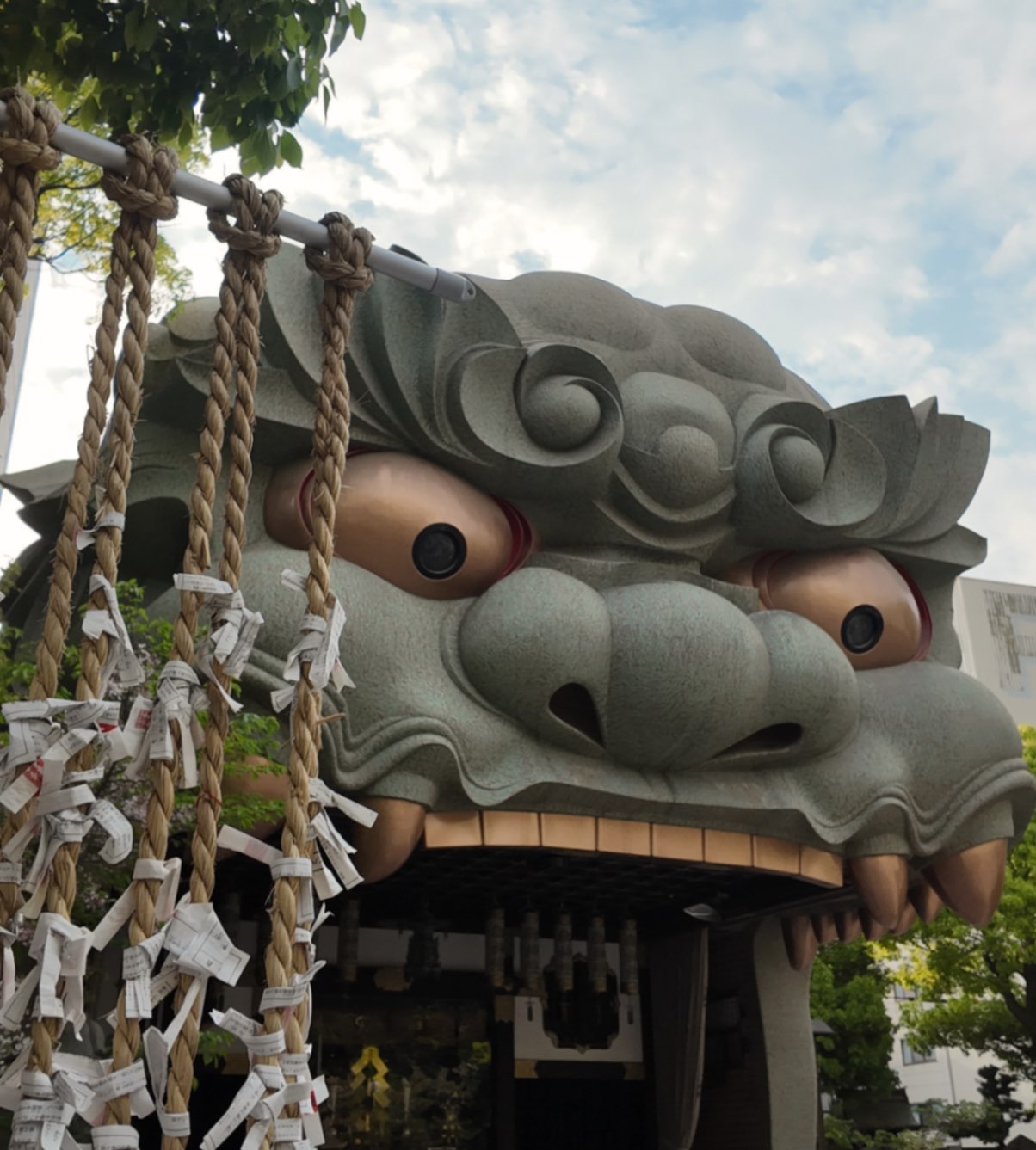
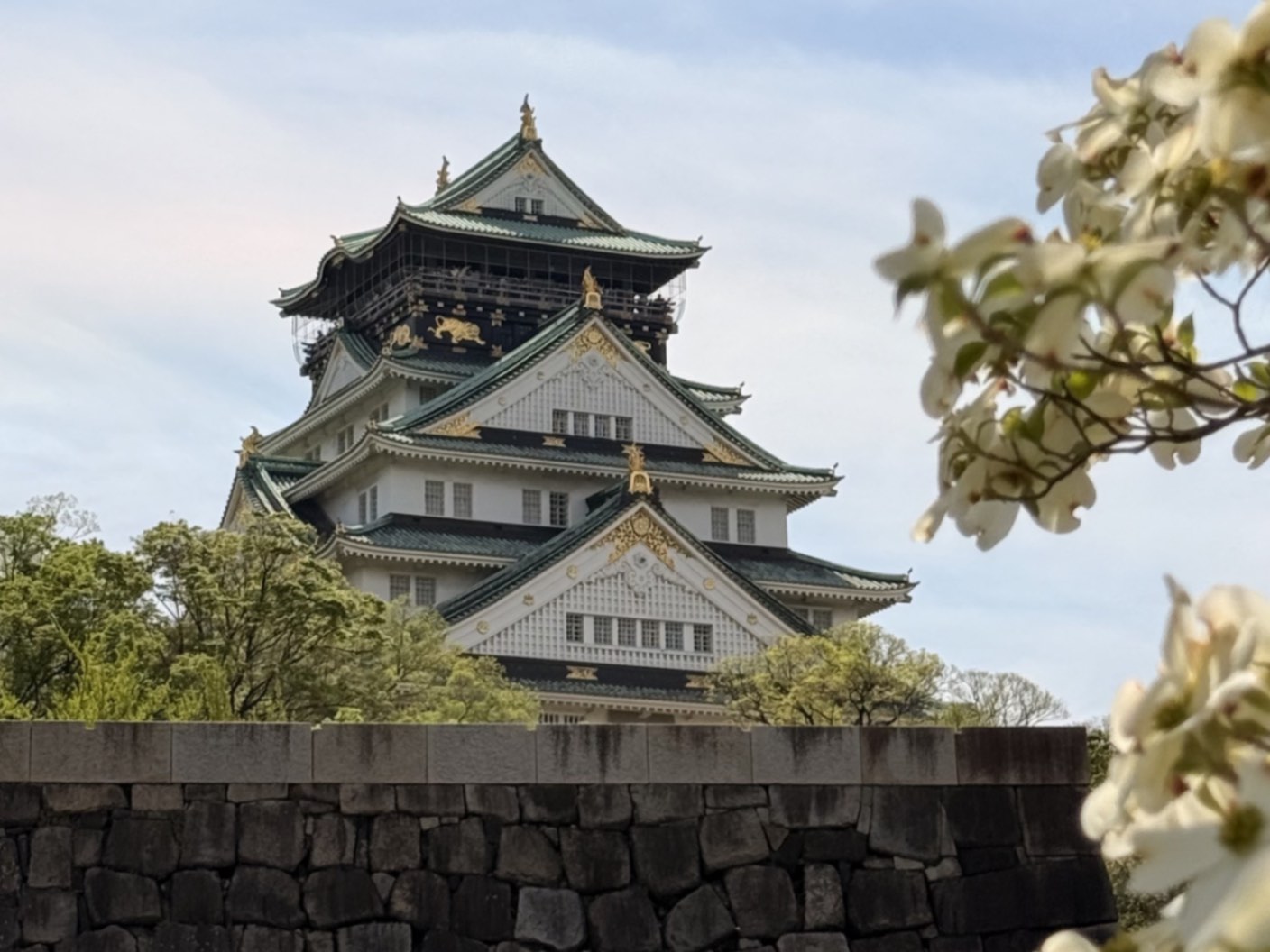
Start the morning at Osaka Castle — arrive early to enjoy the grounds and moat before the crowds build. From there, make your way to Namba to visit Namba Yasaka Shrine — one of the most visually striking and unique shrines in all of Japan, with its giant lion-head stage that stops everyone in their tracks.
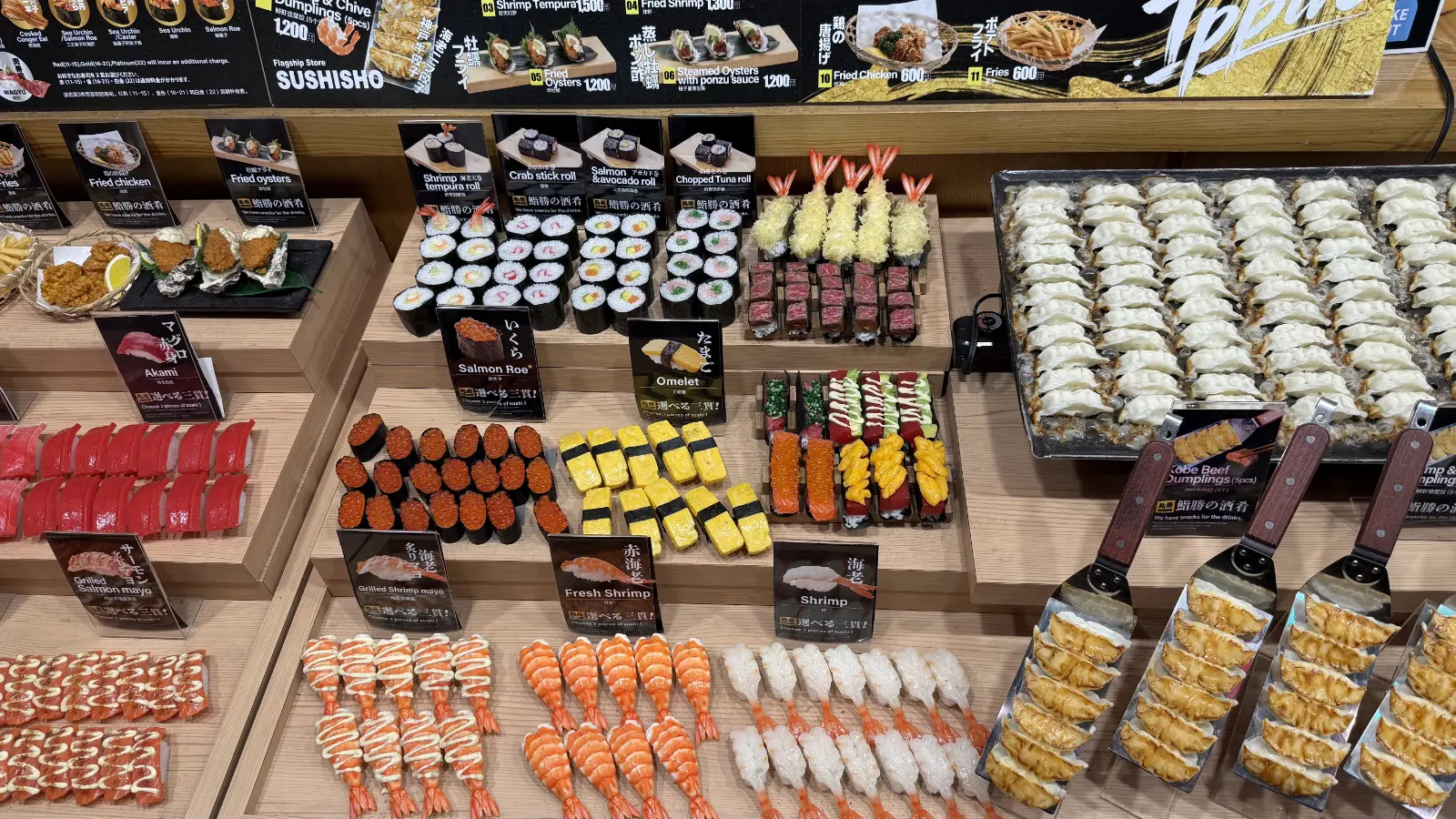
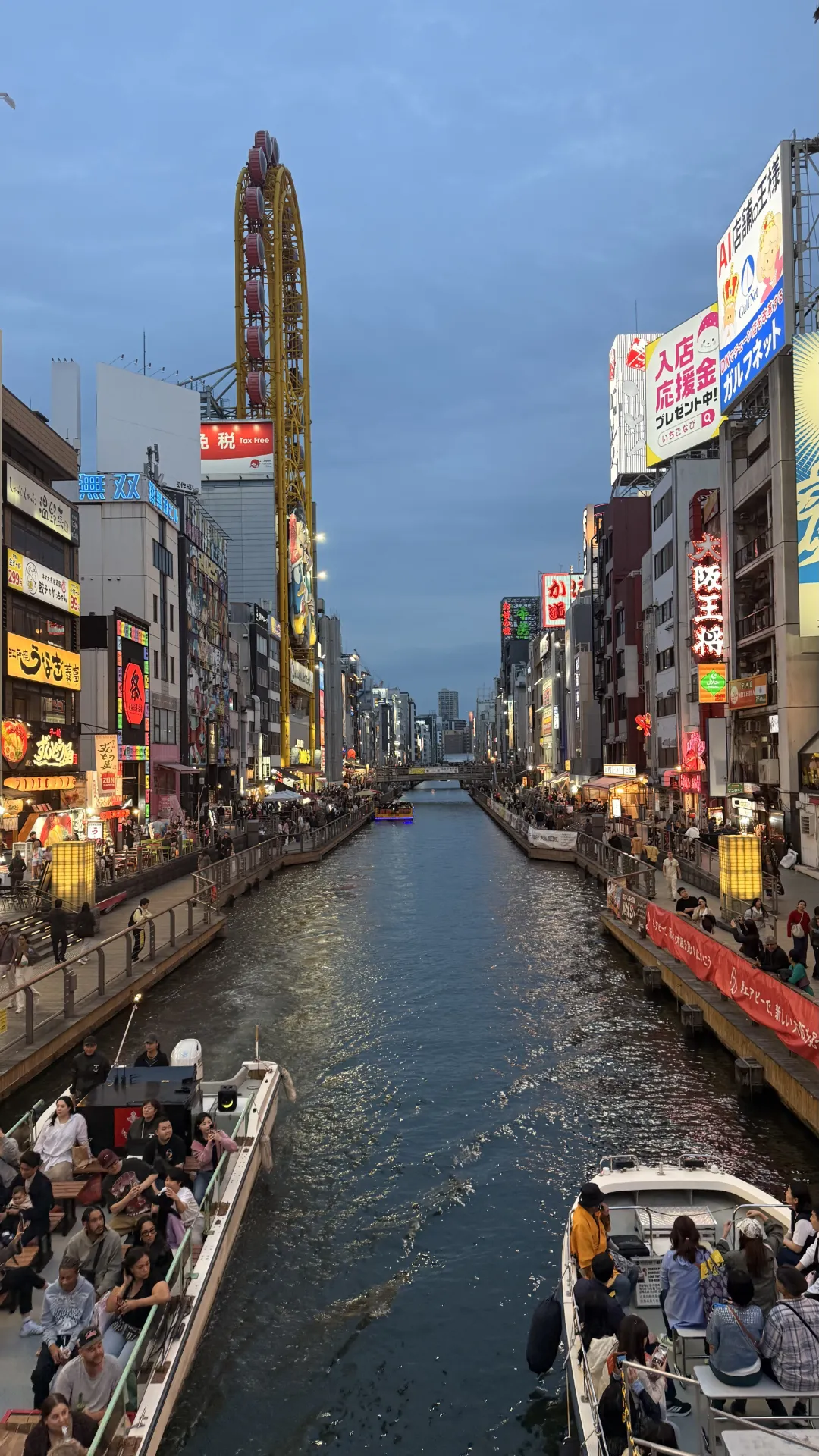
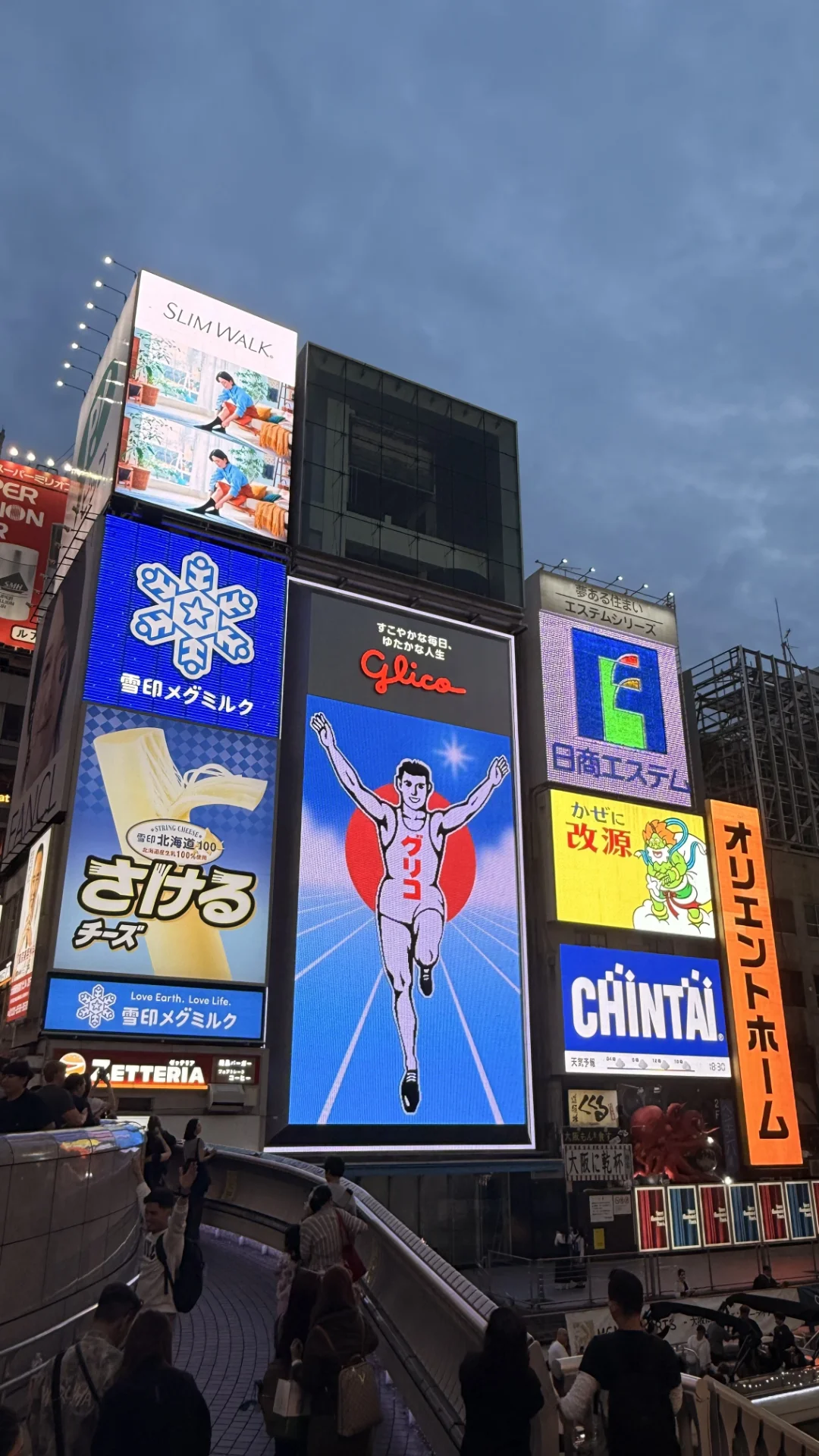
Walk to Kuromon Ichiba Market — Osaka's beloved covered food market, loud, colourful, and filled with fresh seafood, grilled skewers, and local specialities. Then make a stop at Uncle Rikuro's for their famous freshly baked soufflé cheesecake — soft, jiggly, and unlike any cheesecake you've had before. Spend the afternoon on a shopping walk through Shinsaibashi — don't forget your passport for tax-free savings. As the sun sets, head to Dotonbori — Osaka's electric riverfront strip of neon signs, street food stalls, and pure energy. Best experienced at night, when the lights reflect off the canal and the city feels completely alive.
Day 10 — Day Trip to Hiroshima
Take the Shinkansen west to Hiroshima for a day that will stay with you long after the trip ends. Visit the Peace Memorial Museum and the haunting Atomic Bomb Dome — a sobering and deeply important experience. The museum is one of the most powerful in the world; give it the time it deserves. Take the ferry to Miyajima Island to see the iconic floating torii gate of Itsukushima Shrine rising from the sea, and walk among the island's friendly deer. It is one of Japan's three views considered most beautiful, and standing in front of it, it's easy to understand why. Return to Osaka for one last bowl of ramen, one last walk along the canal, and the quiet realisation that Japan has completely ruined every other destination for you.
One Last Thing Before You Go
You're about to experience one of the world's most beautiful, welcoming, and meticulously considered destinations. Japan rewards slow travel, genuine curiosity, and a willingness to wander without a plan. This itinerary gives you the perfect balance of iconic must-sees and hidden gems — but it is a skeleton, not a script.
The most important thing? Be present. Put the phone down occasionally. Feel the cool stone floors of a temple. Taste the steam rising from fresh takoyaki. Watch cherry blossom petals drift silently on the Sumida River. Breathe in the green quiet of the bamboo forest. Stand in the Peace Memorial Park and let it settle. These are not the moments you photograph — they are the moments you carry home.
And expect the unexpected. The best memories of any trip rarely come from the plan — they come from the small ramen shop you ducked into from the rain, the local who stopped to help you read a menu, the festival you stumbled upon on a street you weren't meant to be on. Your itinerary is the structure. Your curiosity is the heart of it.
Safe travels, adventure-seeker. Japan is waiting — and it will exceed every single expectation you arrive with.
Packing Essentials & Final Tips
Getting your packing right for Japan is as important as planning the itinerary itself. The cities vary more than you'd expect — Hiroshima and Osaka tend to be warmer, Kyoto's mornings are noticeably cooler, and Tokyo can swing in either direction depending on the day. Here's everything you need:
🧥 Lightweight jacket — temperatures vary significantly between cities, and early morning temple visits in Kyoto can be genuinely chilly even in spring
👟 Comfortable walking shoes — temple paths are uneven stone, streets are long, and 15,000+ steps a day is the reality. Do not compromise on this
🔋 Portable charger — your phone will work hard all day between navigation, translation, photos, and train apps. Don't get caught out
💳 Suica or ICOCA card — preloaded and ready to tap; eliminates ticket-buying stress at every metro gate and convenience store
📶 Get a Japan eSIM before you land — navigation and train apps are non-negotiable; you will be lost without internet access
🧣 Light layers — temple and shrine interiors are cool regardless of the outside temperature
💧 Refillable water bottle — tap water is safe to drink everywhere in Japan and convenience stores are on every corner for top-ups
🤲 Small towel or handkerchief — some public bathrooms don't have dryers; a personal habit widely practised in Japan and genuinely useful
💊 Basic medications — bring acetaminophen, antacids, and motion sickness remedy from home; navigating a Japanese pharmacy with a language barrier when you're unwell is not an experience you want
📷 Camera or GoPro — Instagram-ready moments are genuinely around every single corner. You will not regret the extra lens
Final Checklist Before Departure
Print this, screenshot it, or save it to your notes. Run through it the night before you fly:
✅ Flights booked and confirmed — screenshot saved to your phone, not just email
✅ Hotels pre-booked — confirmation numbers saved offline for every city
✅ Sumida River Cruise booked
✅ Shibuya Sky booked — advance tickets only; do not leave this to arrival
✅ Shinkansen reserved — Tokyo→Kyoto and Osaka→Hiroshima returns, seats selected
✅ teamLab Kyoto booked — evening slot recommended; book through Klook
✅ Hakone day tour booked — check the weather forecast the night before and swap if needed
✅ Sagano Romantic Train booked (sagano-kanko.co.jp)
✅ Suica card loaded with ¥5,000+ before arrival
✅ eSIM or SIM card activated — do this before you land
✅ Apple Maps downloaded offline — for metro platform and exit guidance without signal
✅ Tabelog and Google Translate downloaded — camera mode on, ready to point at menus
✅ Stamp Quest downloaded — trust us on this one
✅ Passport in day bag — tax-free shopping requires it at every till
✅ Revolut or travel card loaded — zero foreign transaction fees
✅ Medications packed — acetaminophen, antacids, motion sickness remedy from home
✅ Walking shoes already broken in — no blisters on Day 1, non-negotiable
10 Days in Japan: FAQs
Is 10 days enough for Japan?
Yes, for a first-timer's trip. Ten days gives you enough time to cover Tokyo, Kyoto, Nara and Osaka, plus day trips to Hakone and Hiroshima but it will be packed.
Should I fly into Haneda or Narita?
Haneda. It's about 20 minutes from central Tokyo, compared to over an hour from Narita, which matters a lot after a long-haul flight.
Do I need to book teamLab Kyoto in advance?
Yes, and we'd recommend an evening slot. Morning slots can have queues of up to an hour, while evening visits are noticeably quieter.
Is Mt Fuji visible from Hakone?
Only on clear days. Mt Fuji is often obscured by cloud, so check the forecast the night before and be flexible about which day you visit if your itinerary allows it.
Do I need to reserve Shinkansen seats in advance?
Yes, especially for the Tokyo–Kyoto and Osaka–Hiroshima routes, and for scenic seating (like the left side for Mt Fuji views or the right side on the Sagano Romantic Train).
Should I use a luggage forwarding service in Japan?
Yes. Sending your main luggage ahead between cities (Kyoto to Osaka, for example) makes transition days far easier, especially if you're packing light for day trips.
Is Kyoto walkable, or do I need transport?
A mix of both. Central sights like Gion and Nishiki Market are walkable, but places like Arashiyama and Fushimi Inari are better reached by bus.
Some of the links in this article are affiliate links. Using one costs you nothing extra, and we earn a small commission that helps keep this site running. If anything here saved you time or money, booking through our links is the easiest way to say thanks.