Dollar Cost Averaging (DCA) in Europe: The Easiest Way to Invest in ETFs Like VWCE
Published
Learn how dollar cost averaging (DCA) helps European investors build wealth with ETFs like VWCE. Simple, stress-free investing for beginners.
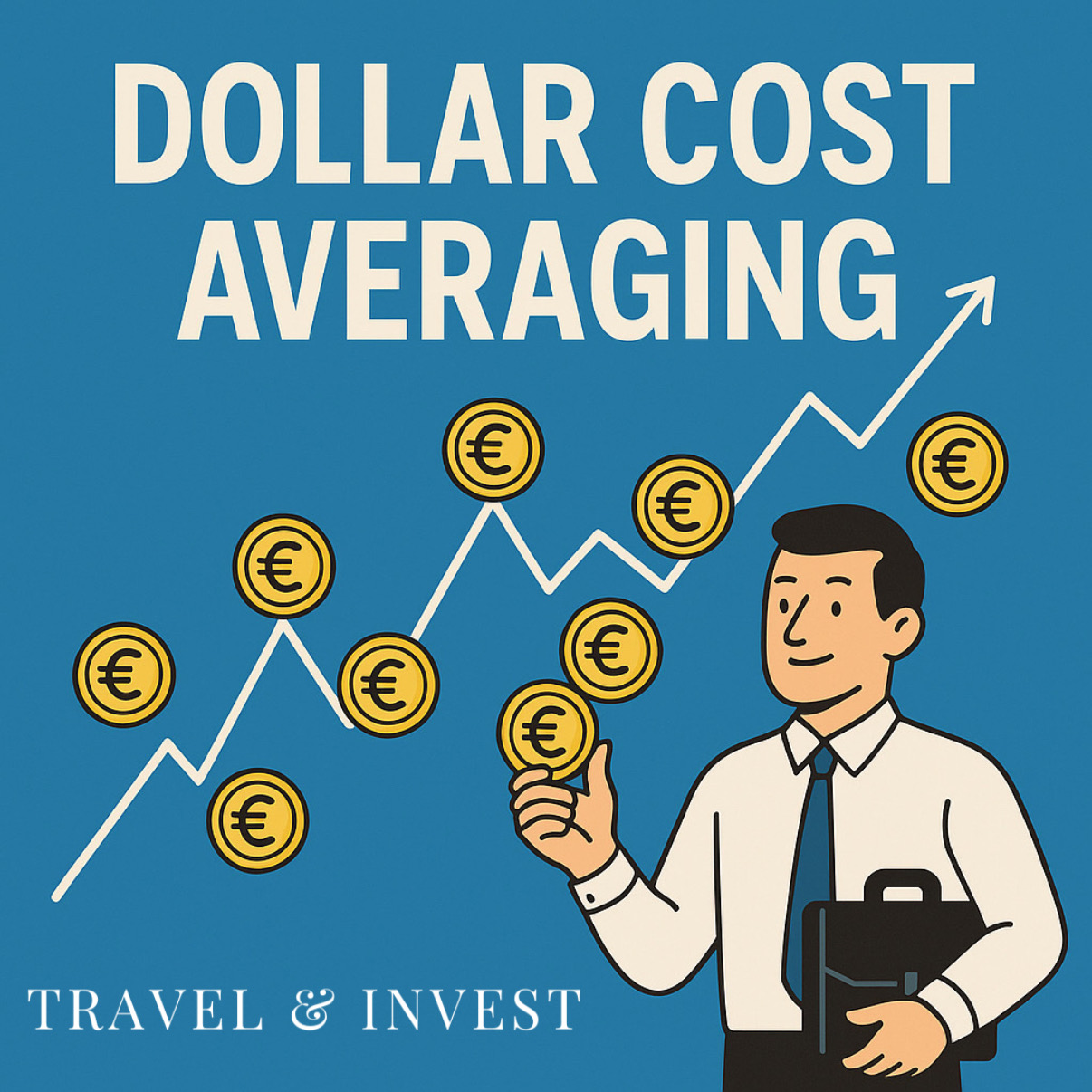
Picture this: While your friends are debating if the market will crash next week or rocket to the moon, you're quietly building wealth with the discipline of a Swiss clockmaker.
Dollar cost averaging (DCA) — or euro cost averaging for us in Europe — is the investing equivalent of brushing your teeth. Boring, consistent, and surprisingly powerful over time.
Warren Buffett once said:
“By periodically investing in an index fund, the know-nothing investor can actually out-perform most investment professionals.”
And research backs this up. While lump-sum investing historically outperforms about 68% of the time, most people can’t stomach market volatility. DCA helps you sleep at night and, most importantly, stick with the plan.
What is Dollar Cost Averaging (DCA) in Europe?
Dollar cost averaging is simple: you invest the same amount at regular intervals into the same investment, no matter what the market is doing.
When markets drop, your €500 buys more shares.
When markets rise, the same €500 buys fewer shares.
Over time, this smooths out your average purchase price. You don’t need to predict the next dip - DCA handles it automatically.
It’s basically the anti-FOMO strategy. No more stressing if you should have waited for the dip or jumped in yesterday.
Why Dollar Cost Averaging Works for Europeans
Most European investors aren’t sitting on massive windfalls. We invest from our salaries - monthly or quarterly. That makes periodic investing the default strategy.
Why it works so well here:
Automation removes the “should I invest now?” question.
Choppy markets mean you buy more when stocks are on sale.
The discipline keeps beginners from abandoning their plan.
The math is beautiful: in volatile periods, you’re constantly averaging down your purchase cost.
Best ETFs for DCA in Europe: VWCE & More
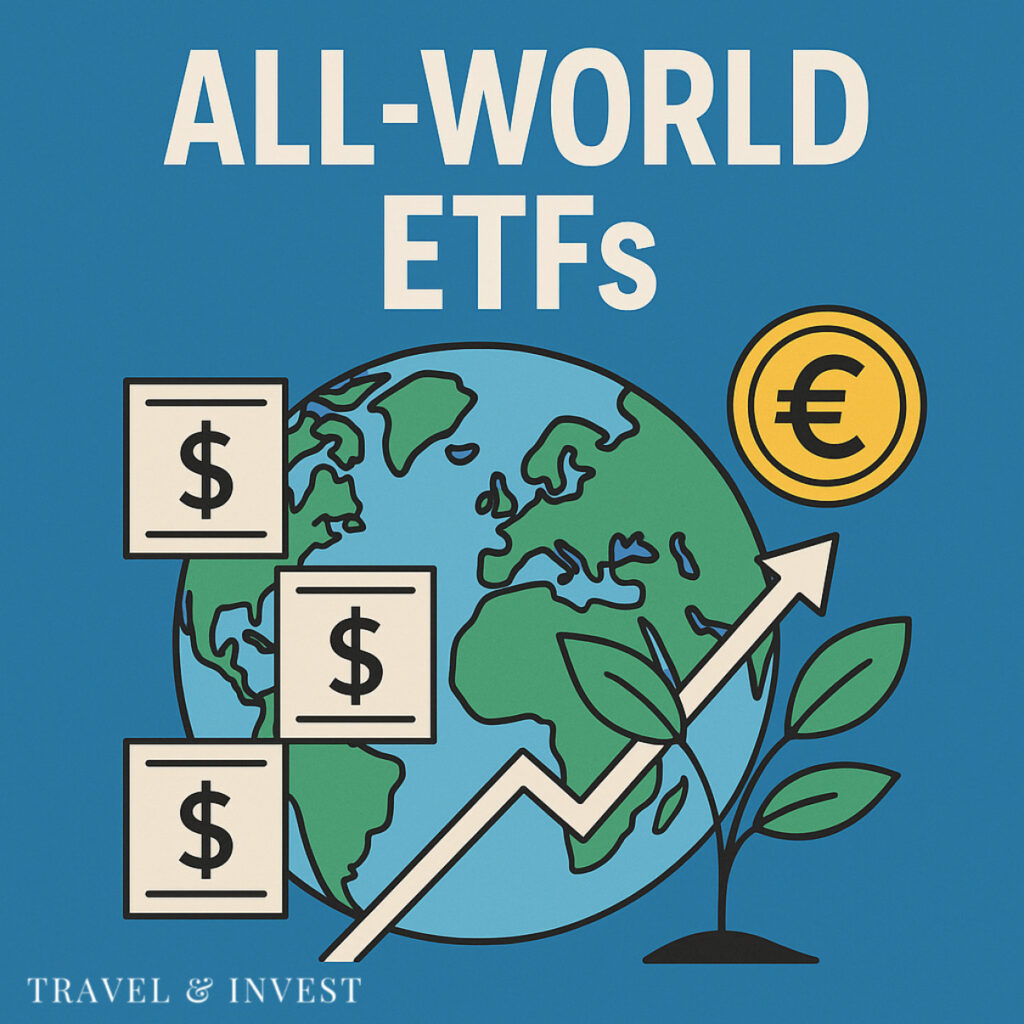
If you want global diversification, VWCE (Vanguard FTSE All-World UCITS ETF) is a favorite among European investors.
Here’s why VWCE shines:
Exposure to over 3,500 companies worldwide - US, Europe, Japan, emerging markets.
Low ongoing costs (0.22%).
Automatic rebalancing across regions.
👉 Alternative: IWDA (iShares Core MSCI World UCITS ETF). Popular too, but it only covers developed markets. VWCE includes emerging markets, which gives you broader exposure.
Why not only the S&P 500?
Too concentrated in one country.
Europe and emerging markets can balance downturns in the US.
One global ETF keeps things simple.
When Dollar Cost Averaging Shines
Investing from paychecks: Fits perfectly with your monthly income.
Volatile markets: Reduces the pain of bad timing.
Beginners: Simple rules beat complex strategies.
Busy professionals: Automation means your portfolio grows while you focus on life.
How to Start DCA in Europe (No PhD Required)
Pick your ETF: VWCE for global, IWDA for developed markets (or just VUAA/SXR8 in case you only want to invest in US market).
Choose your rhythm: Monthly or every payday.
Decide your amount: €50, €200, €500 — whatever fits your budget. Consistency > size.
Automate it: Use brokers like Trading212, Interactive Brokers or LightYear for low fees.
Stick to the rule: “Buy every month, especially when it feels scary.”
Let compounding do its magic.
Common Mistakes European Investors Make
Currency overthinking: VWCE is priced in euros. No need to worry about USD conversions.
Platform hopping: Choose a solid European broker and stay consistent.
Owning too many ETFs: One global ETF is often enough.
Ignoring fees: Small transaction fees can kill returns if you invest tiny amounts too often.
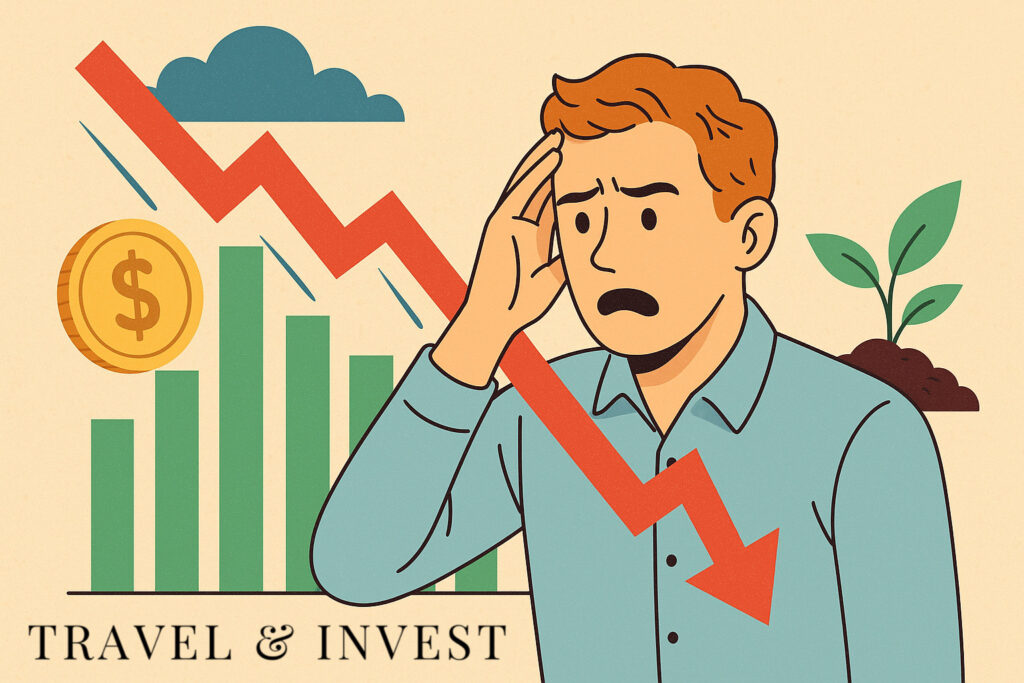
What to Do When Markets Crash
Stay the course: Keep buying. Cheap shares are your friend.
Avoid the pause button: Skipping contributions ruins the effect.
Optional extra: If you’re comfortable, invest a little more during downturns.
Track the Right Metrics
Forget predicting headlines. Focus on:
Your share count.
Your average purchase price.
If your average cost goes down over time, DCA is working perfectly. A quick yearly review of your contributions is usually enough.
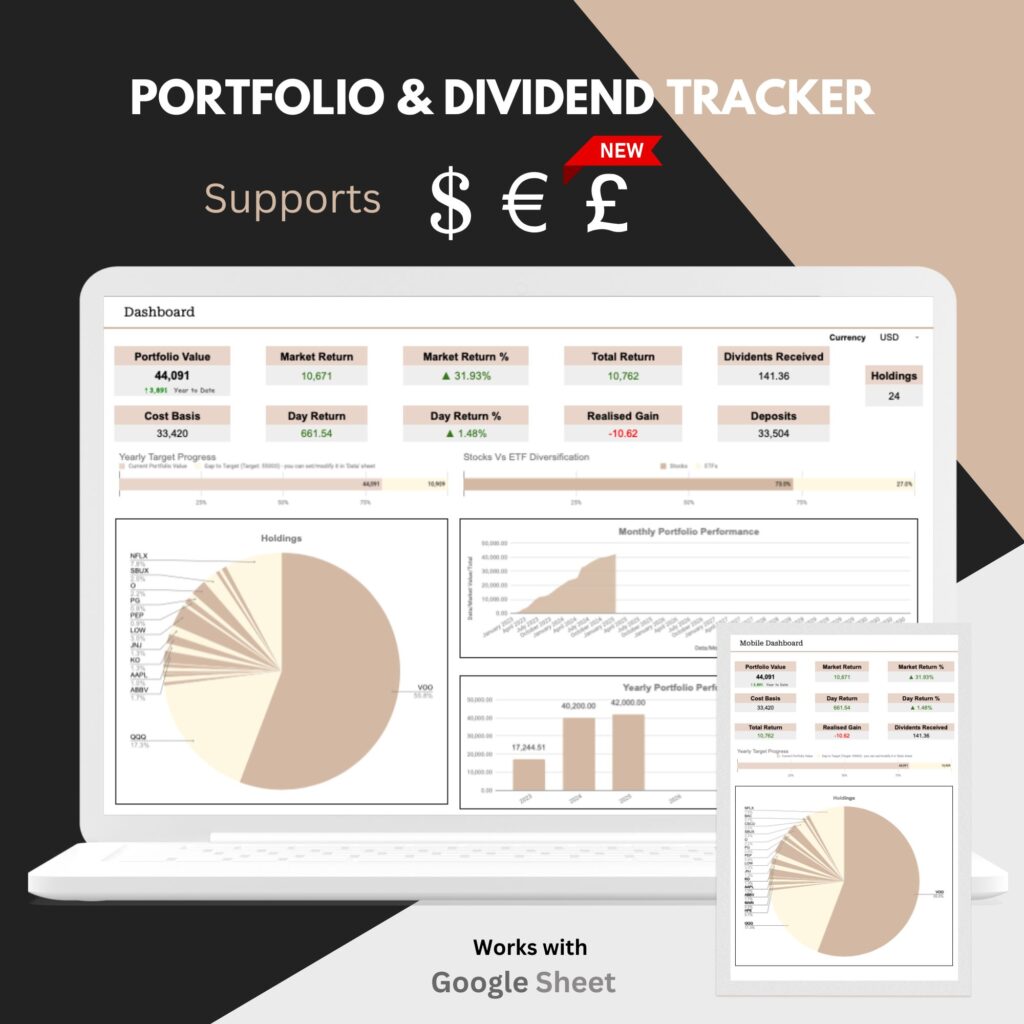
You can use the Portfolio & Dividend Tracker that is based on Google Sheets to simplify how you track and monitor your investments with easy.
Lump Sum vs DCA: The Honest Truth
Yes, if you had €50,000 during a bull market, lump-sum investing might look better on paper.
But for most Europeans building wealth gradually, consistency beats timing.
Start today with whatever amount works for you. Over decades, compounding will do the heavy lifting.
Final Takeaway
Dollar cost averaging is the most European investing style you could imagine: disciplined, methodical, and refreshingly drama-free.
For most of us, the winning setup is simple:
Pick a global ETF like VWCE.
Automate monthly contributions.
Ignore the noise.
Your future self will thank you for starting today - not waiting for the “perfect” moment that never comes.
Bottom Line: For European investors, dollar cost averaging into a low-cost global ETF like VWCE is the simplest, smartest path to long-term wealth.
Disclaimer: The information provided in this article is for educational and informational purposes only and should not be construed as financial advice. Investing in the stock market carries risks, including the potential loss of principal. Before making any investment decisions, it is essential to conduct thorough research and consider consulting with a qua