Transform Your Money Mindset: Discover the Secrets of Rich Dad, Poor Dad
Published
Transform your money mindset with Rich Dad, Poor Dad. Discover passive income secrets and financial independence through Robert Kiyosaki’s timeless lessons.
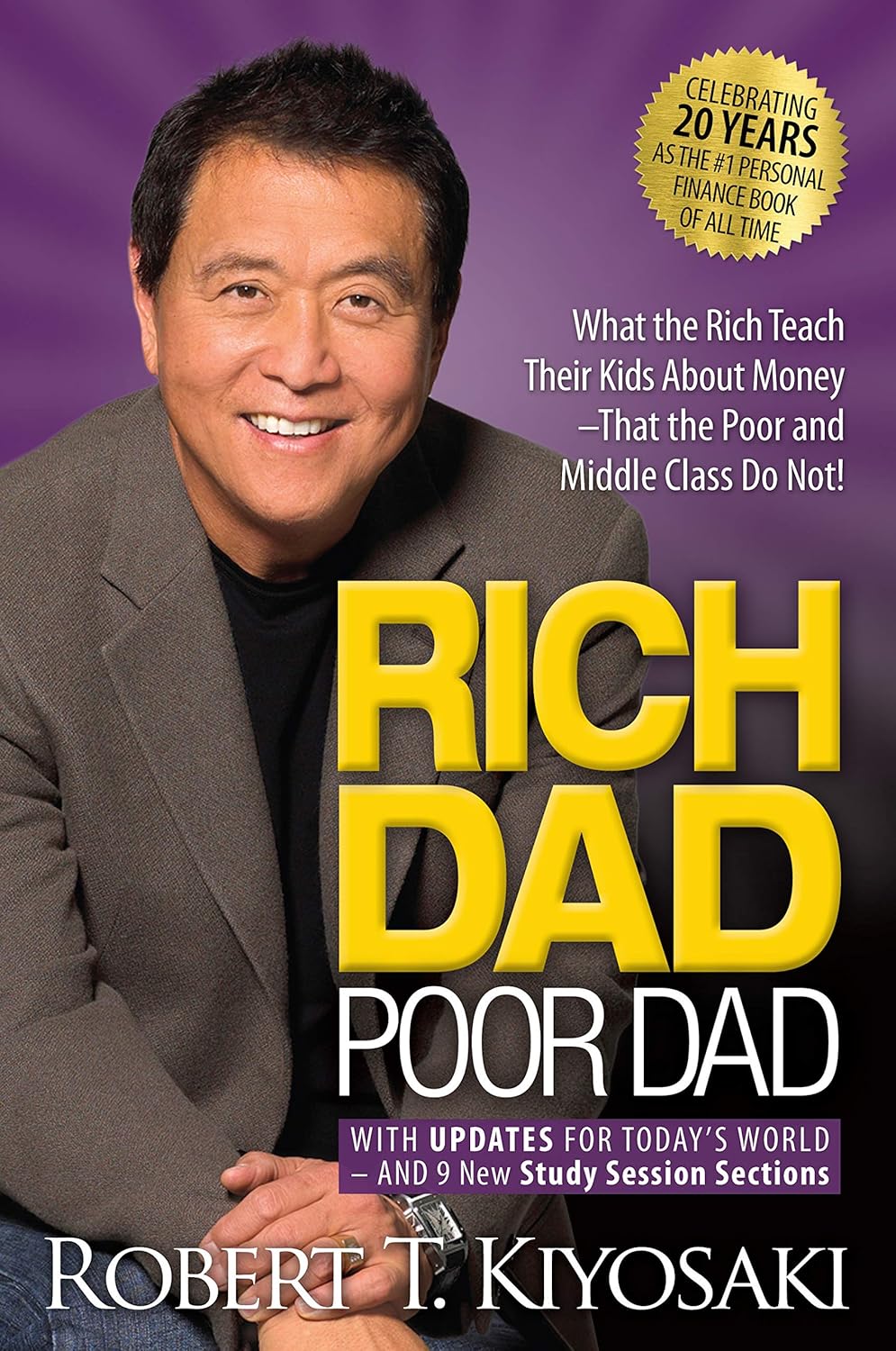
"The single most powerful asset we all have is our mind. If it is trained well, it can create enormous wealth." – Robert Kiyosaki
This quote from Rich Dad, Poor Dad by Robert Kiyosaki encapsulates the essence of a book that has transformed the way millions think about money. Whether you're an entrepreneur, an employee, or someone just starting their financial journey, this book offers actionable insights into building wealth and escaping the "rat race." Let’s dive into why this book remains a must-read for professionals and how you can apply its lessons today.
What Is the Rich Dad, Poor Dad Book About?
At its core, Rich Dad, Poor Dad contrasts two financial mindsets through the lens of Kiyosaki’s two father figures:
Poor Dad: Kiyosaki’s biological father, a highly educated man who believed in job security and living frugally.
Rich Dad: His best friend’s father, an entrepreneur who emphasized financial education and building assets.
The book uses these contrasting perspectives to challenge conventional wisdom about money. It’s not just about earning more—it’s about making your money work for you.
Key Lessons from the Book
Here are the standout lessons that make Rich Dad, Poor Dad a game-changer:
1. The Rich Don’t Work for Money
Most people trade time for money. Rich people flip this equation—they let money work for them. Kiyosaki stresses the importance of breaking free from the paycheck-to-paycheck cycle by investing in income-generating assets like real estate or businesses.
Actionable Tip: Start small. Consider investing in a low-cost index fund or exploring side hustles that generate passive income.
2. Know the Difference Between Assets and Liabilities
Kiyosaki simplifies financial literacy with this golden rule: Assets put money in your pocket; liabilities take money out. Many people mistakenly think their car or house is an asset when it often drains resources.
Actionable Tip: Audit your finances. Create a list of your assets and liabilities. Focus on acquiring true assets like stocks, rental properties, or intellectual property.
3. Financial Education Is Key
Traditional education teaches us how to be employees, not how to manage or grow wealth. Kiyosaki argues that financial literacy—understanding concepts like cash flow, balance sheets, and taxes—is essential for success.
Actionable Tip: Dedicate time to learning about personal finance. Start with books like The Intelligent Investor, The Richest Man in Babylon or The Phychology of Money or online courses on investing and budgeting.
4. Fear and Greed Drive Poor Financial Decisions
Fear keeps people stuck in jobs they dislike, while greed leads to overspending. Kiyosaki advocates for emotional intelligence when it comes to money—analyzing risks rationally rather than reacting emotionally.
Actionable Tip: Before making major financial decisions, pause and evaluate your motivations. Are they driven by fear or greed? Seek advice from mentors or financial advisors if needed.
5. Work to Learn, Not Just to Earn
Instead of chasing high salaries, focus on developing skills that will serve you long-term—like sales, negotiation, or leadership.
Actionable Tip: Identify one skill you lack but need for career growth. Take a course or find opportunities to practice it in your current role.
Strengths of the Book
Simple Language: Complex financial concepts are broken down into relatable anecdotes.
Mindset Shift: It encourages readers to think differently about wealth and challenges societal norms.
Actionable Frameworks: Concepts like “pay yourself first” and “cash flow quadrant” are practical tools anyone can use.
Criticisms of the Book
While Rich Dad, Poor Dad has inspired millions, it isn’t without flaws:
Vagueness: Some critics argue that Kiyosaki’s advice lacks specific implementation steps.
Narrative Doubts: The identity of “Rich Dad” has been questioned, leading some to view the book as more parable than autobiography.
Risk Bias: The book glorifies risk-taking without adequately addressing potential downsides.
Despite these critiques, its core principles remain valuable when paired with additional research and caution.
Who Should Read This Book?
Aspiring Entrepreneurs: Gain insights into how business owners think about money.
Professionals Stuck in the Rat Race: Learn strategies to build wealth outside your 9-to-5.
Young Adults Starting Out: Build a strong foundation in financial literacy early on.
If you’re looking for a step-by-step investment guide, this may not be your best pick. But if you want a mindset shift around money? This book delivers.
How To Apply Its Lessons Today
Invest in Financial Education: Read books like The Millionaire Next Door or take online courses on platforms like Coursera.
Build Passive Income Streams: Explore options like dividend-paying stocks, rental properties, or digital products.
Surround Yourself with Like-Minded People: Join networking groups focused on personal finance or entrepreneurship.
Final Verdict
Rich Dad, Poor Dad isn’t just a book; it’s a wake-up call for anyone tired of living paycheck to paycheck. While some advice may feel abstract at times, its emphasis on financial education and mindset makes it an invaluable resource for professionals seeking long-term wealth creation.
So ask yourself—are you ready to stop working for money and start making money work for you? If yes, grab this book today!